 75substance
- Drama
- History
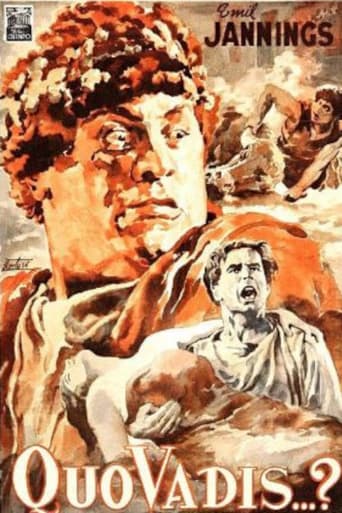
Quo Vadis?
Gabriellino D'Annunzio & Georg Jacoby · 1924 · Germany, Italy
This silent Roman epic is worth finding for the way its expressive faces and bold staging turn imperial history into human drama.
Countries: Country
Every one of the films, series, records and paintings from Italy I've come across so far, oldest first. More turn up as the lists grow.
549
75substanceGabriellino D'Annunzio & Georg Jacoby · 1924 · Germany, Italy
This silent Roman epic is worth finding for the way its expressive faces and bold staging turn imperial history into human drama.
 90substance
Roberto Rossellini · 1945 · Italy
Its rough, immediate scenes of occupied Rome give resistance a human scale, balancing courage with fear and ordinary life.
 75substance
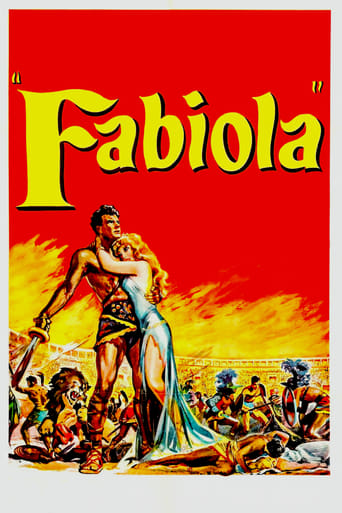
Alessandro Blasetti · 1949 · France, Italy
This early Christian drama is worth finding for its Italian perspective on faith, class, and life under Roman rule.
 80substance
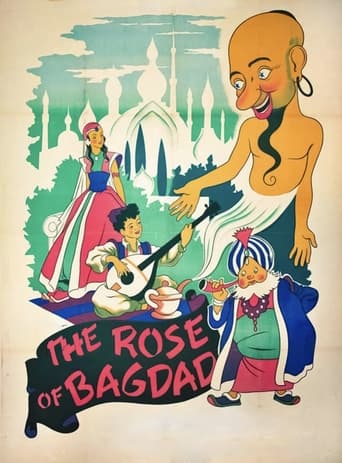
Anton Gino Domenighini · 1949 · Italy
This early Italian feature pairs ornate, storybook design with a pleasantly unhurried sense of enchantment.
 76substance
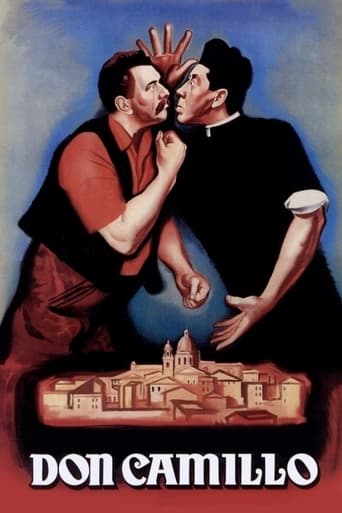
Julien Duvivier · 1952 · France, Italy
The priest and communist mayor’s feuding friendship gives this village comedy warmth and bite without flattening their political differences.
 84substance
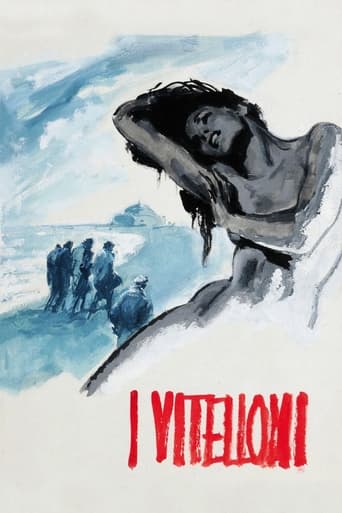
Federico Fellini · 1953 · France, Italy
The drifting friends are funny and exasperating in equal measure, while Moraldo’s quiet departure leaves a lingering ache.
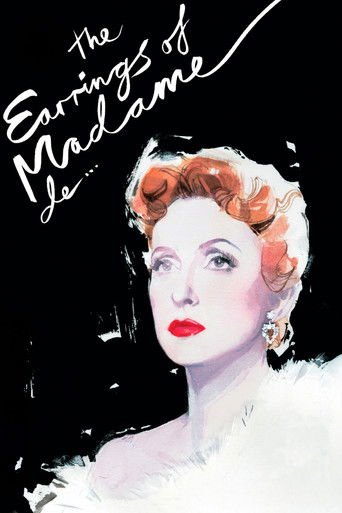 92substance
Max Ophüls · 1953 · France, Italy
A pair of earrings changes hands through a dance of glances, debts, and self-deception that says more than any confession could.
 92substance
Henri-Georges Clouzot · 1953 · France, Italy
The long, nerve-fraying drive makes each bump in the road feel dangerous, while the men’s pride and desperation do the real damage.
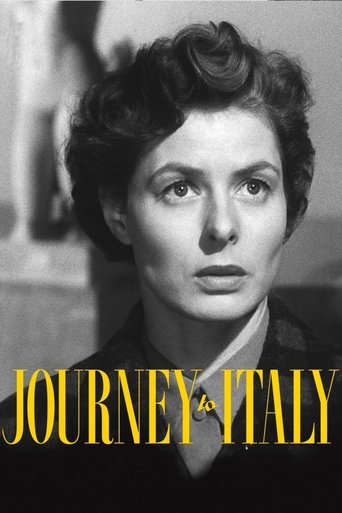 92substance
Roberto Rossellini · 1954 · Italy, France
Katherine and Alex’s brittle conversations, set against Naples’s ancient ruins, let a marriage’s crisis emerge through glances and silences.
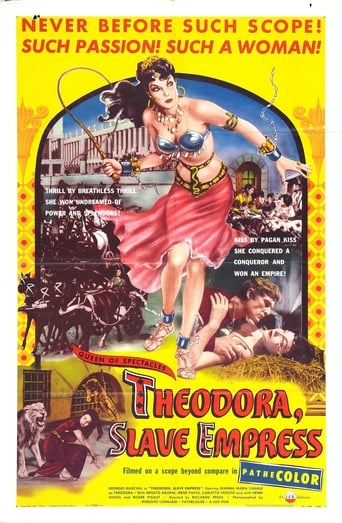 75substance
Riccardo Freda · 1954 · France, Italy
This Italian take on Byzantine history is a welcome detour from the more routinely depicted worlds of Greece and Rome.
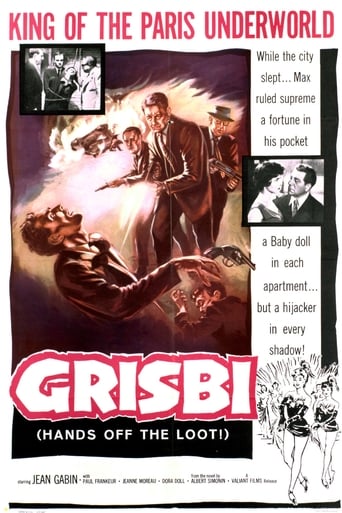 84substance
Jacques Becker · 1954 · France, Italy
Jean Gabin’s aging gangster moves through an unhurried criminal world where a meal with old associates can matter as much as a heist.
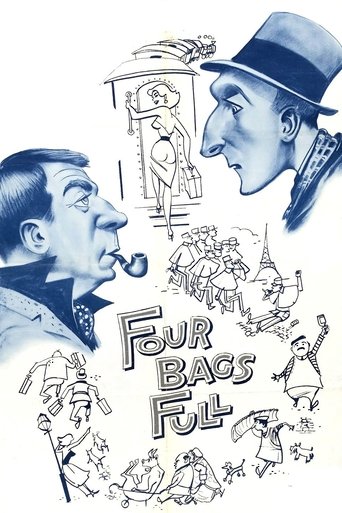 83substance
Claude Autant-Lara · 1956 · France, Italy
Gabin and Bourvil’s uneasy nighttime partnership balances mordant humor with a vivid, unsparing portrait of occupied Paris.
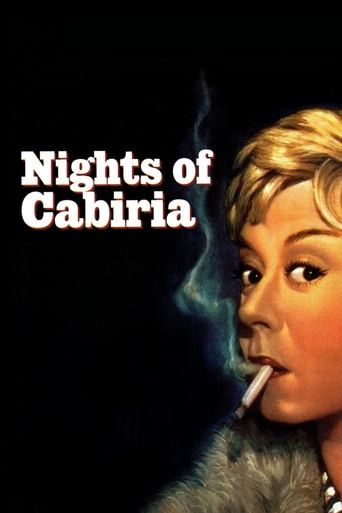 94substance
Federico Fellini · 1957 · Italy, France
Giulietta Masina lets Cabiria’s bravado and heartbreak coexist, leaving the final encounter tender without pretending her troubles are solved.
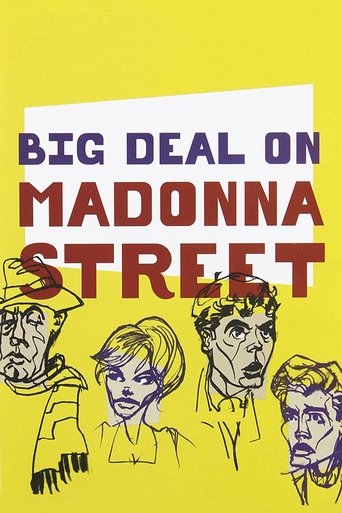 81substance
Mario Monicelli · 1958 · Italy
The hapless crew’s increasingly tangled heist plan finds real affection in their failures and never mistakes incompetence for stupidity.
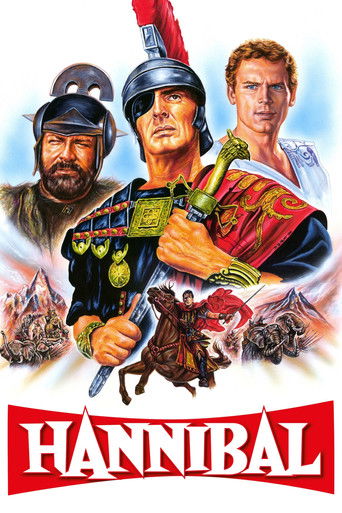 76substance
Edgar G. Ulmer & Carlo Ludovico Bragaglia · 1959 · Italy
Its crossing of the Alps is an unusually human-scaled pause in an ancient-war epic, attentive to the cost of keeping an army moving.
 75substance
Viktor Tourjansky & Arnaldo Genoino · 1959 · France, Italy
This lesser-seen biblical-era drama is most compelling when it lets suspicion and ambition shape the room’s silences.
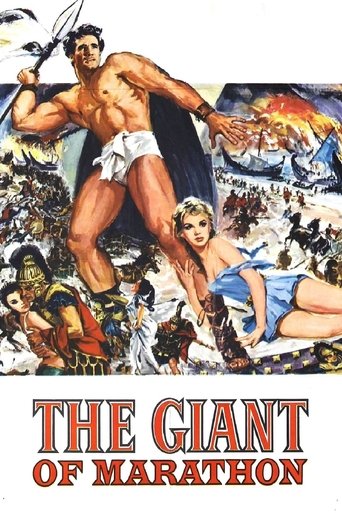 75substance
Jacques Tourneur · 1959 · France, Italy
The film makes its ancient setting vivid through physical detail and gives its hero a refreshingly grounded sense of duty.
 82substance
Mario Bava · 1960 · Italy
Bava’s shadowy images and Barbara Steele’s commanding double performance make this witch’s-curse tale feel timelessly unsettling.
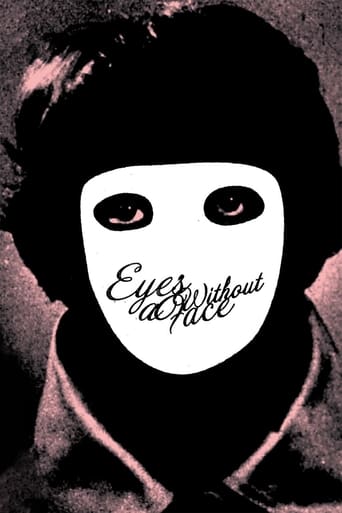 91substance
Georges Franju · 1960 · France, Italy
The eerie mask, still compositions, and Génessier’s chillingly controlled tenderness make its horror feel mournful as well as grotesque.
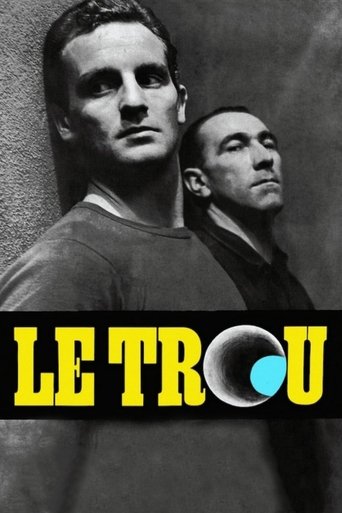 93substance
Jacques Becker · 1960 · France, Italy
The meticulous escape work is gripping on its own, and the film’s quiet attention to trust makes every small gesture matter.
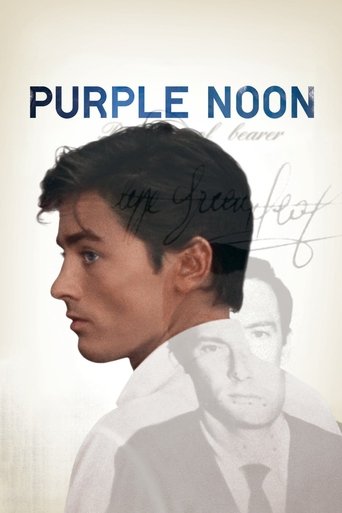 85substance
René Clément · 1960 · France, Italy
Alain Delon’s cool, watchful Ripley turns every borrowed gesture into a quiet act of menace.
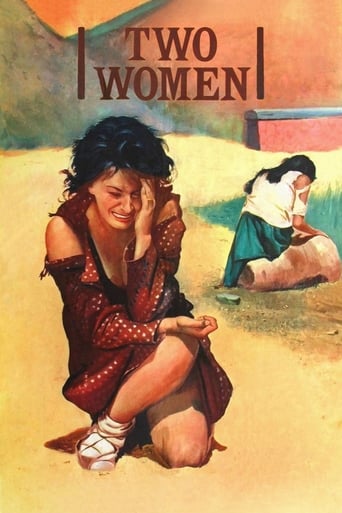 84substance
Vittorio De Sica · 1960 · France, Italy
Loren’s fierce, unvarnished performance holds the mother-daughter bond together as war strips away every illusion of safety.
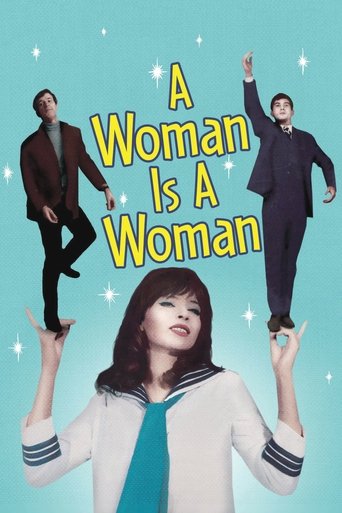 82substance
Jean-Luc Godard · 1961 · France, Italy
Godard’s jump cuts, direct-to-camera asides, and musical interruptions make this romantic comedy feel delightfully alive and unruly.
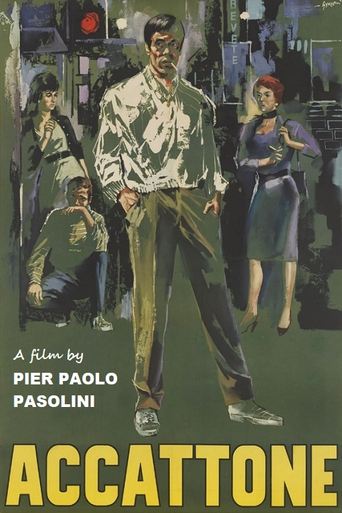 87substance
Pier Paolo Pasolini · 1961 · Italy
Accattone’s restless, sunlit wandering makes his self-deception and desperation visible without softening either.
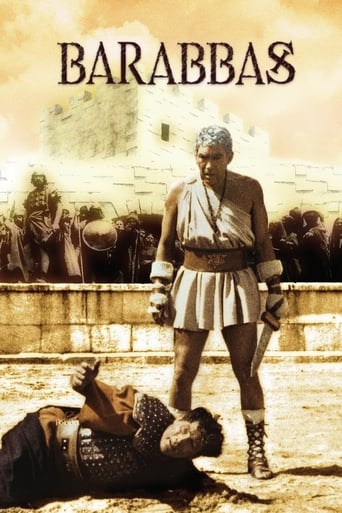 78substance
Richard Fleischer · 1961 · USA, Italy
Anthony Quinn gives the condemned man a difficult inner life in a film more interested in doubt than easy conversion.
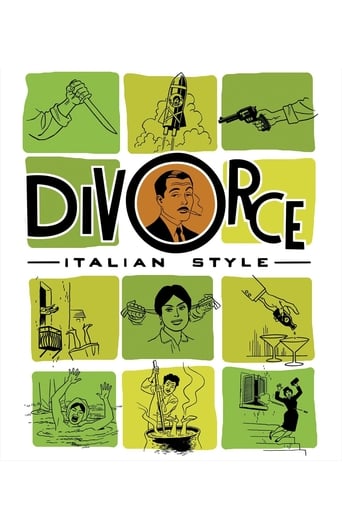 84substance
Pietro Germi · 1961 · Italy
Pietro Germi makes a murder plot into a vicious social satire, with Mastroianni’s self-serving charm doing much of the work.
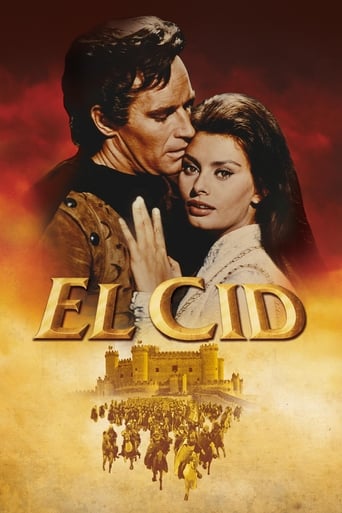 76substance
Anthony Mann · 1961 · Italy, Spain
Charlton Heston’s reserved performance gives this sweeping medieval epic a useful tension between public legend and private obligation.
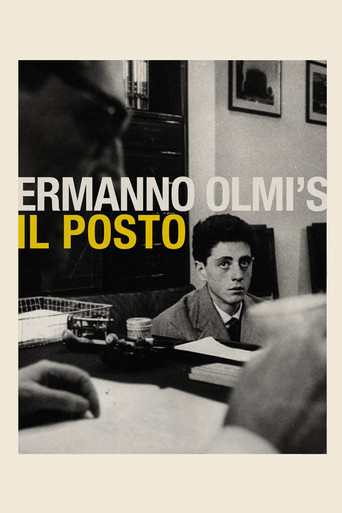 86substance
Ermanno Olmi · 1961 · Italy
Its young protagonist’s first office job unfolds in awkward pauses and little rituals that make the promise of security feel unexpectedly lonely.
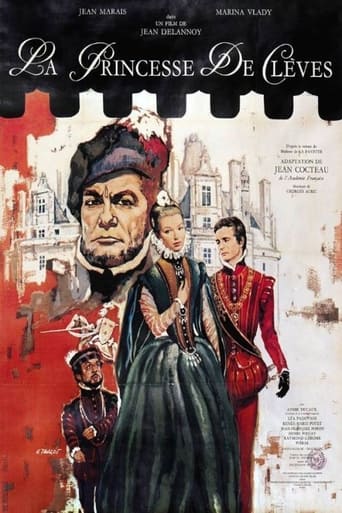 84substance
Jean Delannoy · 1961 · France, Italy
This spare adaptation lets a young woman’s inward conflict stand against the elaborate codes of the French court.
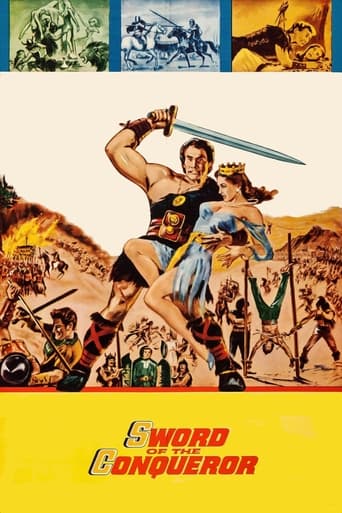 75substance
Carlo Campogalliani · 1961 · Italy
Its Lombard setting offers a less familiar medieval world of fragile alliances and hard-won rule.
 76substance
Bernard Borderie · 1961 · France, Italy
This French adaptation finds lively momentum in the comrades’ squabbles as well as their duels.
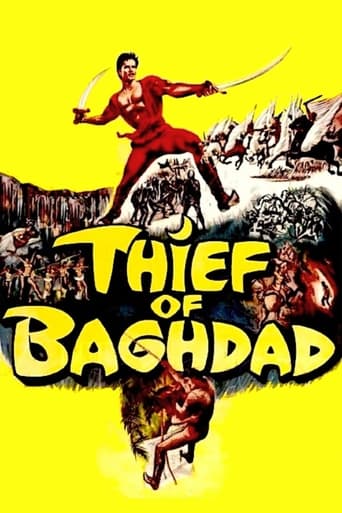 76substance
Arthur Lubin & Bruno Vailati · 1961 · Italy, France
A colorful, fast-moving fantasy adventure whose theatrical set pieces keep the hero’s nimble resourcefulness in view.
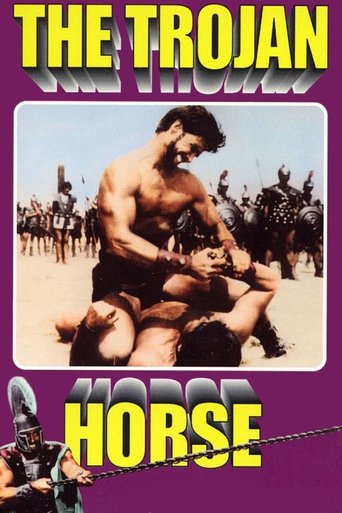 75substance
Giorgio Ferroni · 1961 · France, Italy
This lesser-seen Italian take on Troy is worth finding for its attention to the human cost behind the legendary siege.
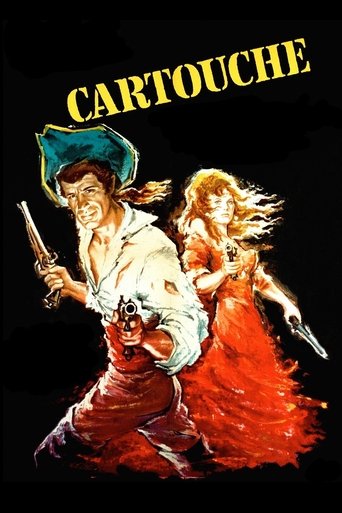 77substance
Philippe de Broca · 1962 · France, Italy
Jean-Paul Belmondo’s roguish energy turns this French highwayman tale into a nimble adventure with a bittersweet edge.
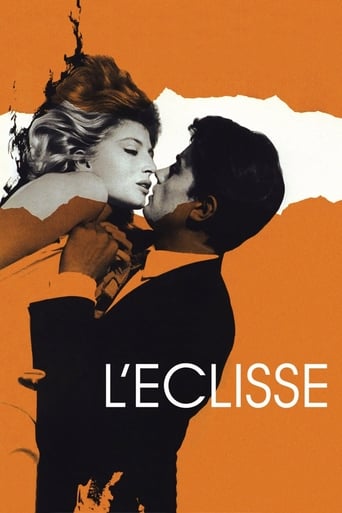 90substance
Michelangelo Antonioni · 1962 · France, Italy
Vittoria and Piero’s pauses and evasions say more than their flirtation, while the final stretch leaves the city itself feeling strangely vacant.
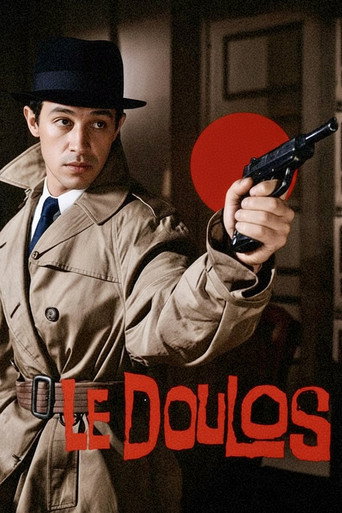 84substance
Jean-Pierre Melville · 1962 · France, Italy
Melville’s spare rooms, silences, and shifting loyalties make every conversation feel like a test of trust.
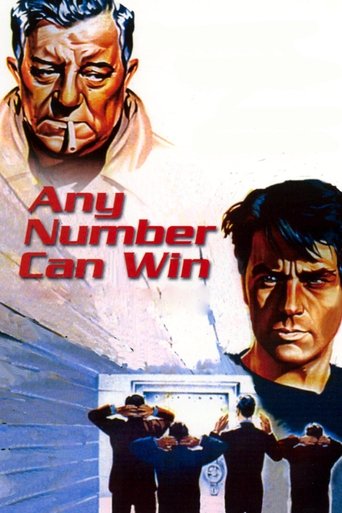 82substance
Henri Verneuil · 1963 · France, Italy
Jean Gabin’s patient, understated performance gives this casino robbery its cool confidence and its quietly rueful aftertaste.
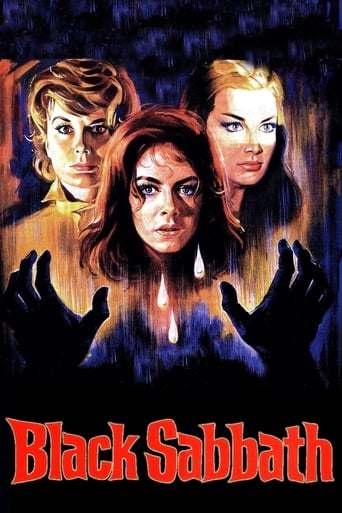 78substance
Mario Bava · 1963 · France, Italy
Bava’s vivid, colored shadows turn three compact ghost stories into a showcase for elegant, unsettling mood.
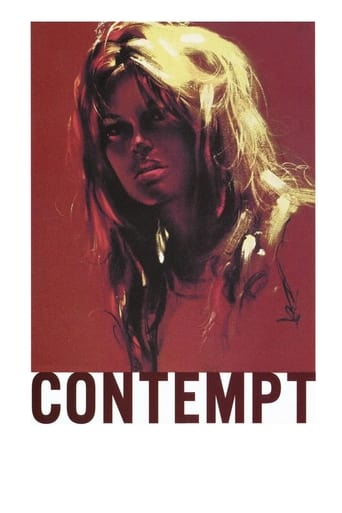 90substance
Jean-Luc Godard · 1963 · France, Italy
The long, uneasy apartment sequence makes a marriage’s collapse feel legible in every pause, glance, and change of room.
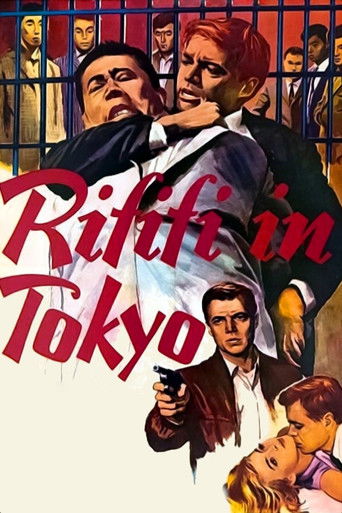 78substance
Jacques Deray · 1963 · France, Italy
A French crew’s Tokyo jewel robbery gains texture from the uneasy compromises required to make an elegant plan work abroad.
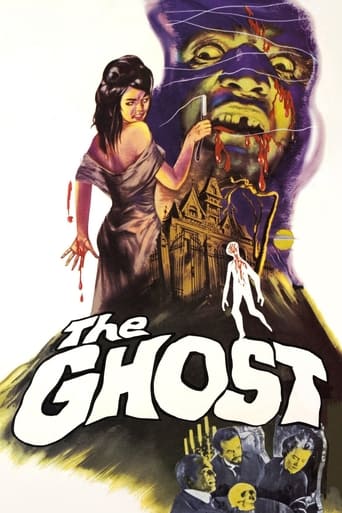 78substance
Riccardo Freda · 1963 · Italy
Freda lets a remote castle’s secrets unfold through atmosphere and suspicion rather than turning the mystery into an explanation.
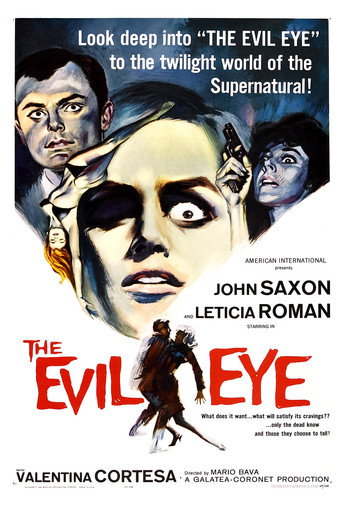 80substance
Mario Bava · 1963 · Italy
Bava makes a tourist’s uncertain view of a murder case feel inseparable from the film’s playful, high-contrast images.
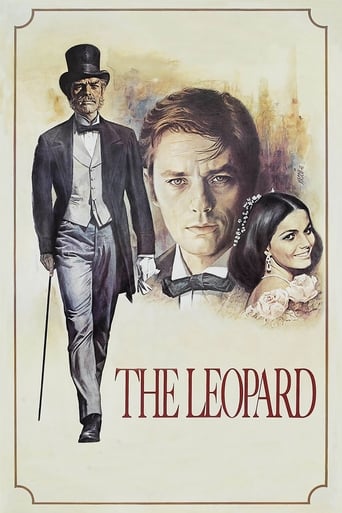 91substance
Luchino Visconti · 1963 · France, Italy
The final ball unfolds with such patience that an entire social order seems to fade away inside its glittering rooms.
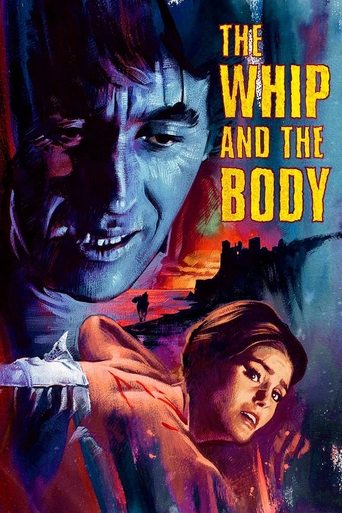 76substance
Mario Bava · 1963 · France, Italy
Bava’s saturated colors and decaying castle make this tale of desire and haunting feel lush, cruel, and disquietingly intimate.
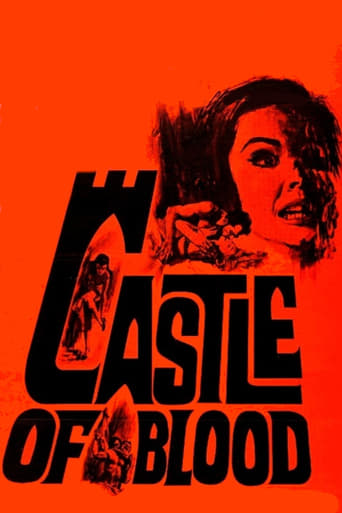 76substance
Antonio Margheriti · 1964 · France, Italy
A night inside a haunted castle becomes a succession of eerie encounters held together by its dreamlike mood.
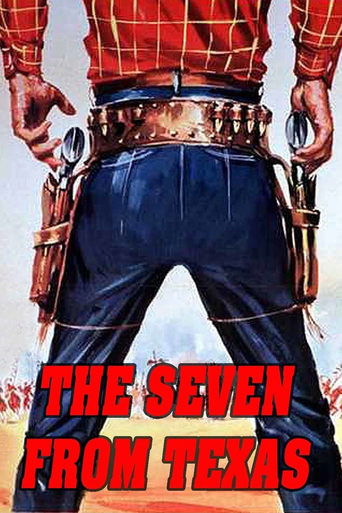 78substance
Joaquín Romero Marchent · 1964 · Italy, Spain
Marchent’s stark landscapes and hard-edged ensemble show how early Spanish Westerns forged their own severe voice.
 94substance
Michelangelo Antonioni · 1964 · France, Italy
Antonioni makes the industrial landscape feel like an extension of Giuliana’s inner life, leaving color, sound, and silence to do the explaining.
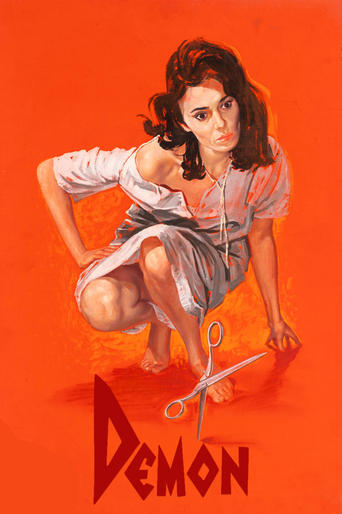 82substance
Brunello Rondi · 1964 · France, Italy
Its stark portrait of a woman trapped between desire and village superstition leaves room for more than one explanation.
 77substance
Ubaldo Ragona & Sidney Salkow · 1964 · USA, Italy
Vincent Price’s solitary routines give this bleak plague-haunted city a melancholy that outlasts its shocks.
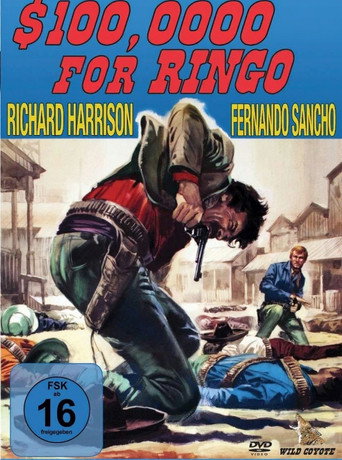 77substance
Alberto De Martino · 1965 · Italy, Spain
Its deceptively simple setup gains texture from the hero’s guarded reserve and the film’s measured, dusty pacing.
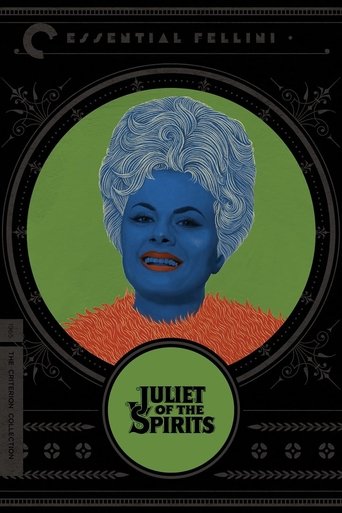 85substance
Federico Fellini · 1965 · Italy, France
Giulietta’s inner life spills into Fellini’s dazzling, unstable images, making jealousy feel less like a plot and more like a waking dream.
 84substance
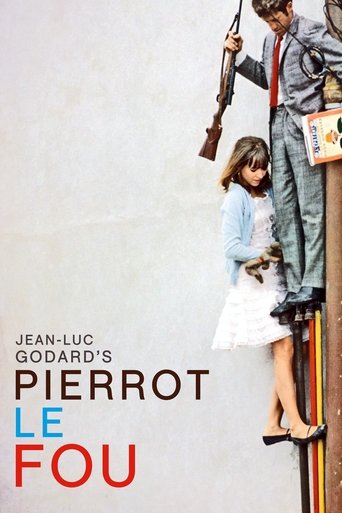
Jean-Luc Godard · 1965 · France, Italy
Godard lets the lovers’ escape become a playful, fractured collage of color, pop culture, and genuine loneliness.
 76substance
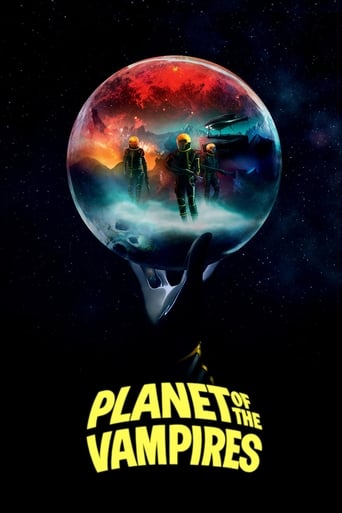
Mario Bava · 1965 · Italy, Spain
Bava’s vivid, fog-choked atmosphere turns a space expedition into an unsettling meditation on how little we know ourselves.
 87substance
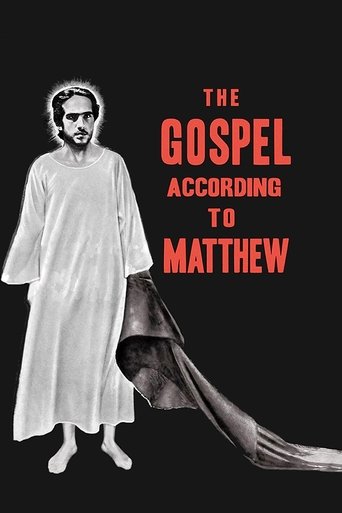
Pier Paolo Pasolini · 1965 · Italy, France
Pasolini’s austere locations and nonprofessional faces give the Gospel an immediacy that feels both human and uncompromising.
 78substance
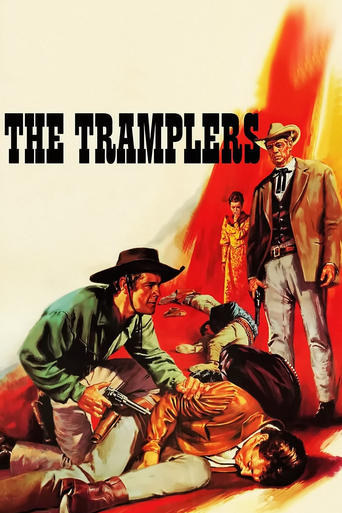
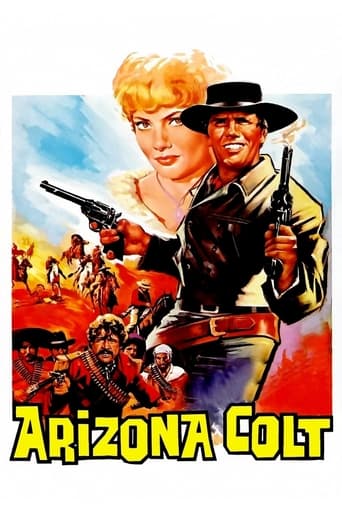
Mario Sequi & Albert Band · 1965 · Italy
A family’s competing ideas of honor and survival give this early entry a welcome moral complexity beneath its frontier action.
 76substance
Michele Lupo · 1966 · Italy, France
Its charismatic drifter and carefully staged confrontations make a lively, assured example of the genre’s action side.
 80substance
Sergio Corbucci · 1966 · Italy, Spain
Franco Nero’s laconic gunslinger and the film’s stark frontier imagery give its revenge tale a memorable, mean-edged simplicity.
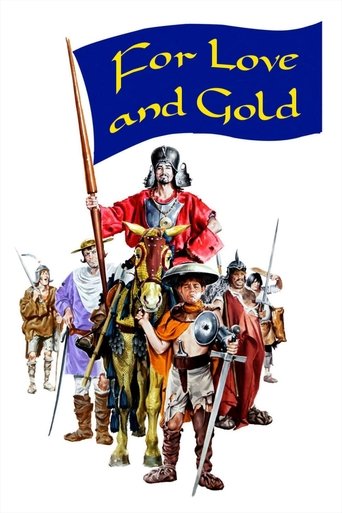 78substance
Mario Monicelli · 1966 · France, Italy
Brancaleone’s grandiose, shabby chivalry makes the road itself a gleefully irreverent satire of heroic legend.
 83substance
Mario Bava · 1966 · Italy
Bava turns a village and its old medical institution into a feverish maze of colored light and creeping dread.
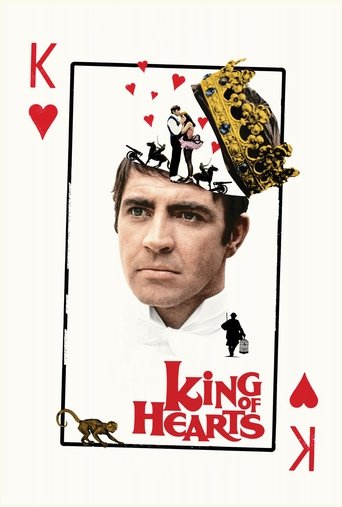 79substance
Philippe de Broca · 1966 · France, Italy
In a deserted wartime town, its inmates inherit the keys—and the film finds tenderness and unsettling absurdity in that reversal.
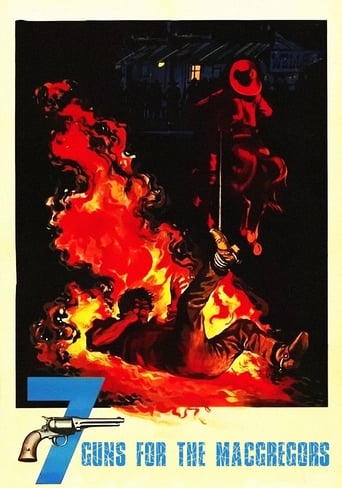 75substance
Franco Giraldi · 1966 · Italy, Spain
The family’s scrappy defense of its home brings a lighter ensemble touch to the genre without losing its sense of peril.
 79substance
Ferdinando Baldi · 1966 · Italy, Spain
Franco Nero brings a quiet gravity to a brother’s search for justice that resists the easy satisfactions of revenge.
 96substance
Gillo Pontecorvo · 1966 · Italy, Algeria
Its documentary-like street scenes and unsentimental perspective make the mechanics and human cost of insurgency feel immediate, not abstract.
 76substance
John Huston · 1966 · Italy, USA
Huston’s episodic approach leaves room for the oddness and moral uncertainty of the ancient stories rather than smoothing them away.
 82substance
Pietro Germi · 1966 · Italy, France
Three interwoven stories show how small-town respectability bends when desire, money, and reputation collide.
 77substance
Enzo G. Castellari · 1967 · Italy
Three schemers circle a stolen fortune in a nimble tale whose shifting partnerships are more fun than any simple hero-versus-villain setup.
 75substance
Riccardo Freda · 1967 · Italy
A revenge plot grows more interesting as suspicion spreads through a town built on buried secrets.
 82substance
Carlo Lizzani · 1967 · Germany, Italy
Its gunfighter story gradually gives way to a sharp, uneasy reckoning with class and violence.
 79substance
Florestano Vancini · 1967 · Italy, Spain
A falsely imprisoned man’s return unfolds with patient tension, and the film’s dusty settings feel lived in rather than decorative.
 94substance
Jacques Tati · 1967 · France, Italy
The glass-and-steel city becomes a wordless comic playground, rewarding attention to every background gag and graceful visual pattern.
 79substance
Sergio Sollima · 1967 · Italy, Spain
A bounty hunt turns into a sharp contest over class and justice, with Lee Van Cleef’s certainty slowly put under pressure.
 76substance
Franco Rossetti · 1967 · Italy
A drifter’s uneasy return to a town ruled by outlaws makes for a rough, atmospheric western with room for doubt and grudges.
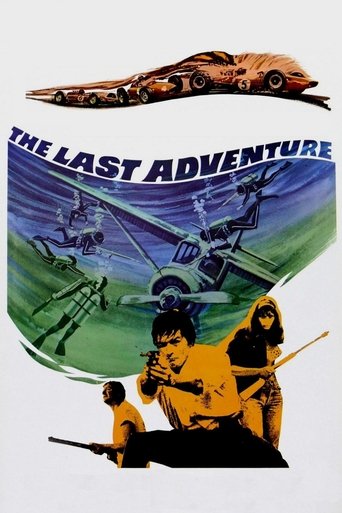 82substance
Robert Enrico · 1967 · France, Italy
Alain Delon and Lino Ventura bring melancholy weight to a treasure-seeking journey that resists easy heroics.
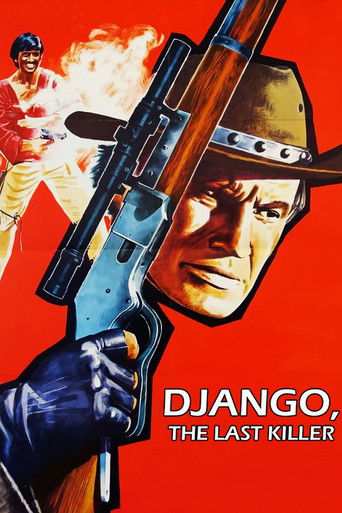 77substance
Giuseppe Vari · 1967 · Italy
A hired gun’s search for his target becomes a spare, fatalistic game of shifting loyalties and carefully held-back information.
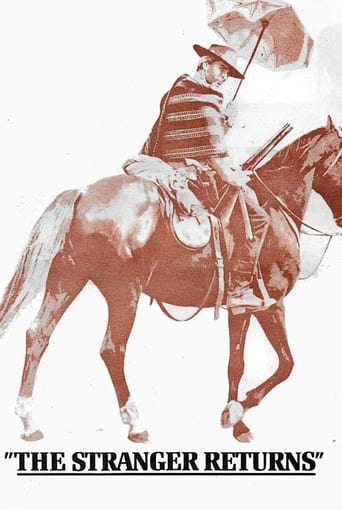 76substance
Luigi Vanzi · 1967 · Italy, Germany
A laconic stranger’s return gives this follow-up a pleasingly unhurried rhythm and an eye for dusty detail.
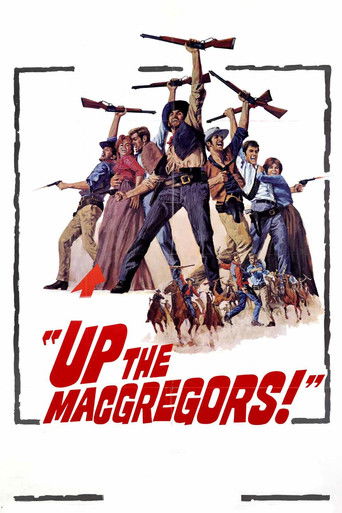 76substance
Franco Giraldi · 1967 · Italy, Spain
Its rowdy family ensemble gives the genre’s familiar gunplay an unusually buoyant, character-driven rhythm.
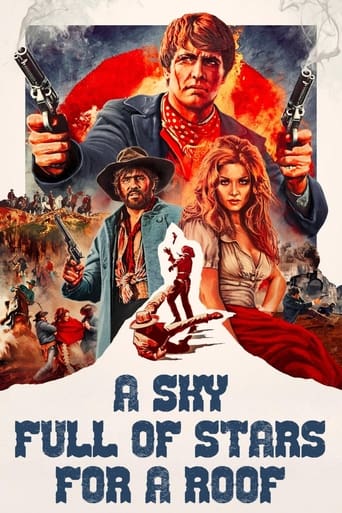 75substance
Giulio Petroni · 1968 · Italy
Its oddball humor and wandering pair bring a lighter, off-kilter strain of Italian Western into the mix.
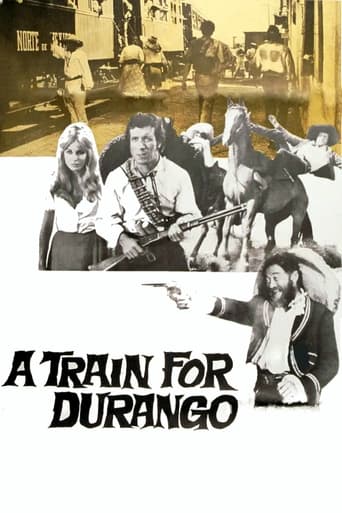 77substance
Mario Caiano · 1968 · Italy, Spain
Its unlikely partners and unruly train robbery keep the action playful without losing the genre’s rough edges.
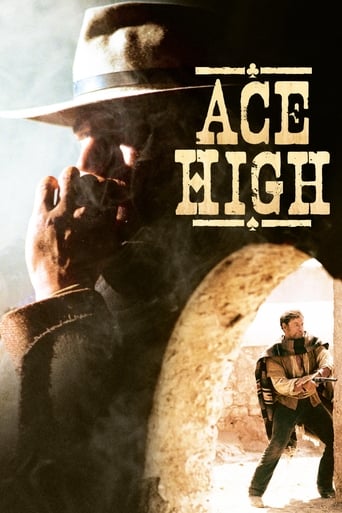 78substance
Giuseppe Colizzi · 1968 · Italy
Its changing alliances keep the jokes and betrayals in lively tension, while the central trio feel more complicated than their swagger suggests.
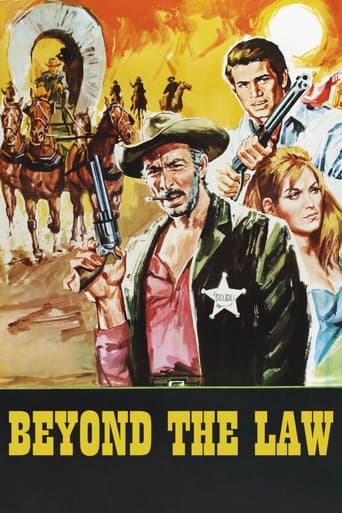 77substance
Giorgio Stegani · 1968 · Germany, Italy
A wanted outlaw’s uneasy passage from robber to respectable citizen makes for a quietly engaging study of how the frontier manufactures status.
 76substance
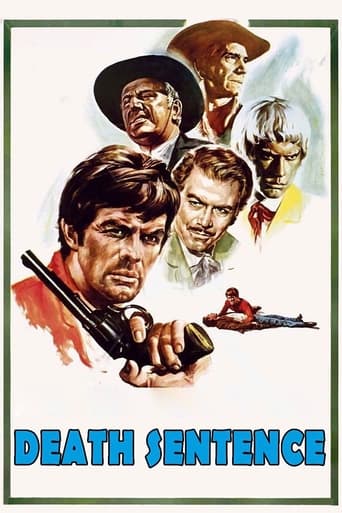
Mario Lanfranchi · 1968 · Italy
A quiet, relentless hunt for a killer builds suspense through stark settings and a protagonist whose restraint speaks louder than speeches.
 76substance
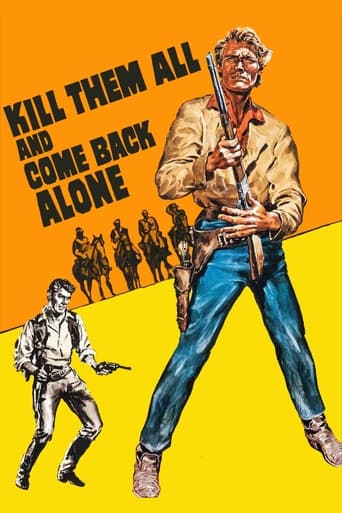
Enzo G. Castellari · 1968 · Italy, Spain
A band of criminals enters a Union fort on a desperate mission, and the shifting trust between them gives the action its bite.
 91substance
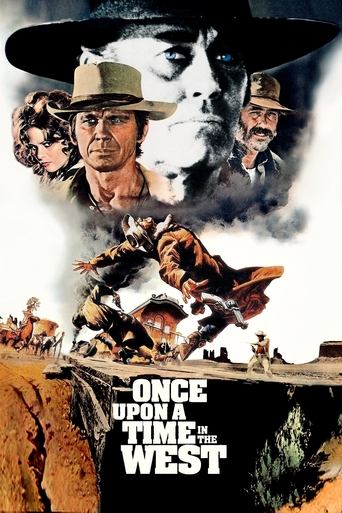
Sergio Leone · 1968 · Italy, USA
The long silences, Morricone’s score, and Claudia Cardinale’s steady presence turn a showdown over land into an epic about a changing West.
 77substance
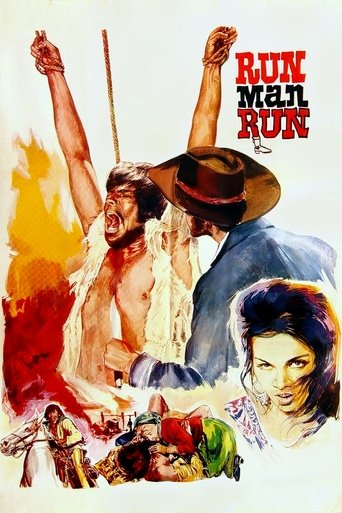
Sergio Sollima · 1968 · Italy
This politically minded chase gives its fugitive room to be both comic survivor and participant in a larger struggle.
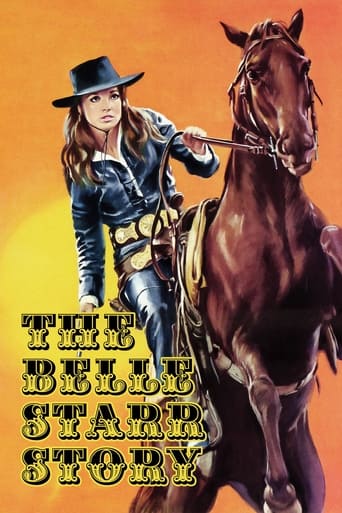 78substance
Lina Wertmüller & Piero Cristofani · 1968 · Italy
Elsa Martinelli gives this female-led outlaw tale a playful defiance that keeps its genre conventions at arm’s length.
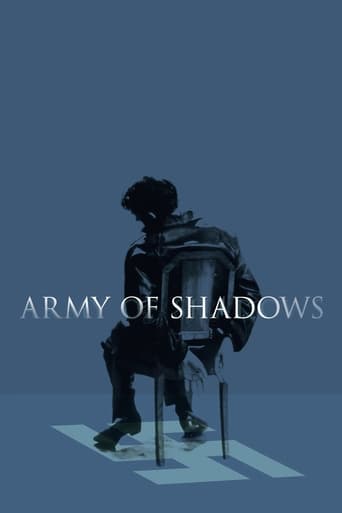 92substance
Jean-Pierre Melville · 1969 · France, Italy
The Resistance’s quiet routines and morally painful choices are presented with such restraint that the danger never needs announcing.
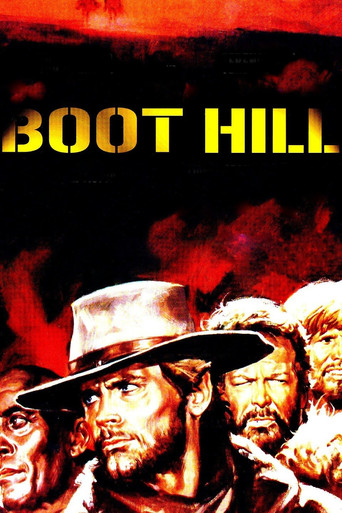 76substance
Giuseppe Colizzi · 1969 · Italy
The familiar duo’s camaraderie gets tested by a small community’s fight for survival, lending the adventure a warmer human center.
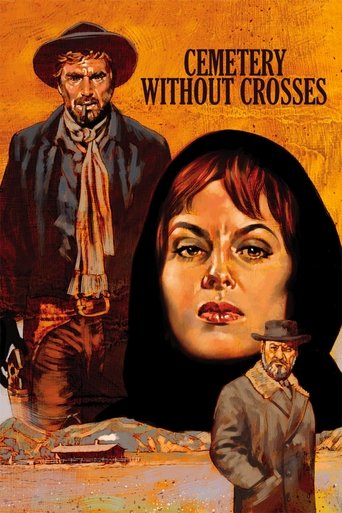 81substance
Robert Hossein · 1969 · France, Italy
Hossein gives this austere tale of vengeance and silence a stark, almost elegiac mood.
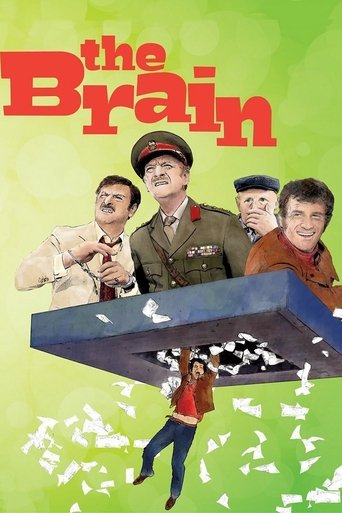 77substance
Gérard Oury · 1969 · France, Italy
This cross-border train-heist comedy gets mileage from the competing schemes and national stereotypes without losing track of the mechanics of the caper.
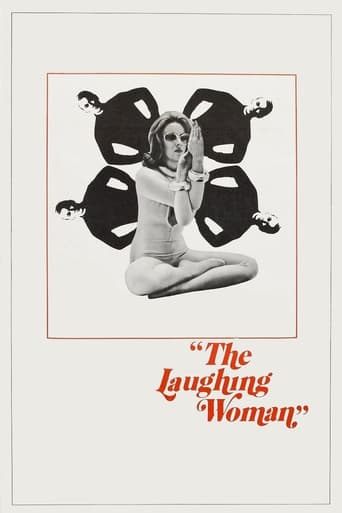 76substance
Piero Schivazappa · 1969 · Italy
Its bizarre power games and deliberately unreal atmosphere make the erotic menace feel genuinely off-kilter.
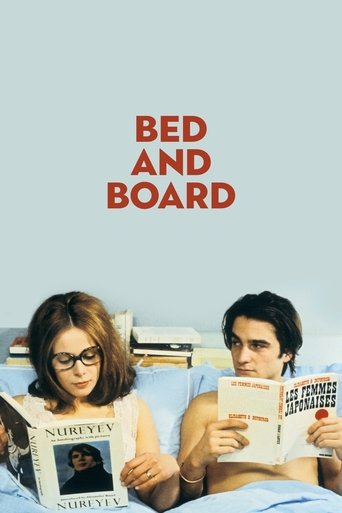 79substance
François Truffaut · 1970 · France, Italy
Truffaut treats marriage as a succession of awkward, ordinary negotiations, letting Antoine’s charm and selfishness coexist without easy judgment.
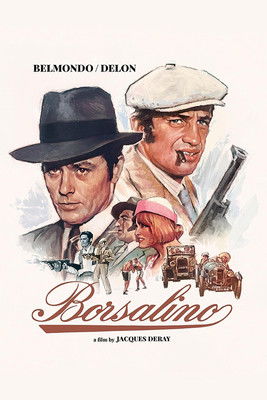 77substance
Jacques Deray · 1970 · France, Italy
The easy chemistry between its two Marseille operators makes their ascent entertaining while the film quietly tracks its costs.
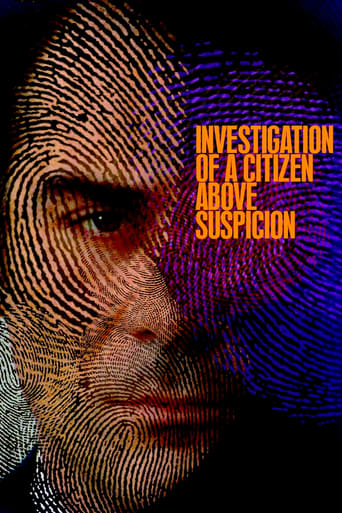 95substance
Elio Petri · 1970 · Italy
The officer’s brazen performance of power is both darkly funny and chilling, with Ennio Morricone’s score sharpening the satire.
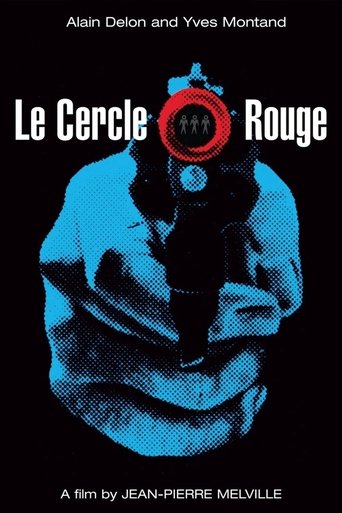 90substance
Jean-Pierre Melville · 1970 · France, Italy
The nearly silent jewel-heist sequence makes patience and precision feel thrilling, while the men’s guarded silences carry the rest.
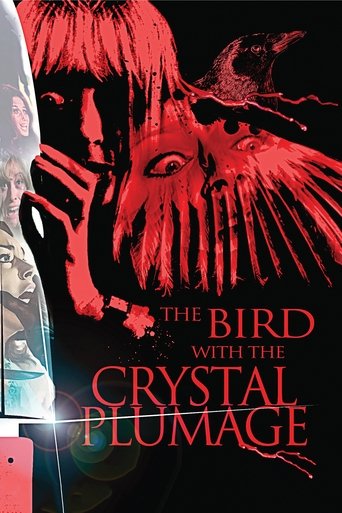 77substance
Dario Argento · 1970 · Germany, Italy
Argento turns a half-seen image into an unnerving puzzle, with Rome’s elegant streets providing a striking counterpoint to the violence.
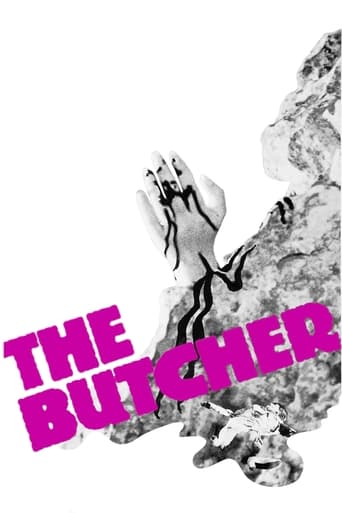 87substance
Claude Chabrol · 1970 · France, Italy
A schoolteacher and a butcher share quiet conversations in a village where warmth and dread sit uncomfortably close.
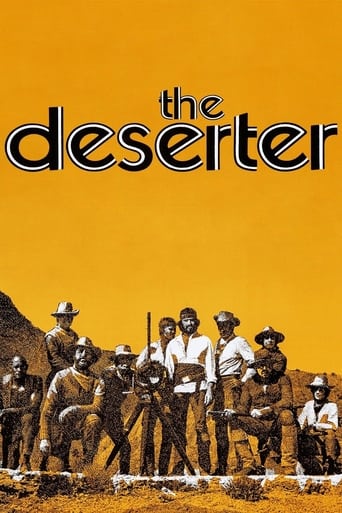 78substance
Burt Kennedy · 1970 · Italy, USA
Its weary soldiers and brutal terrain make the Western’s violence feel like an extension of war, not an adventure.
 77substance
Sergei Bondarchuk · 1970 · Italy, Soviet Union
Its enormous battle scenes are compelling not as spectacle alone, but as a study of confusion, command, and human vulnerability.
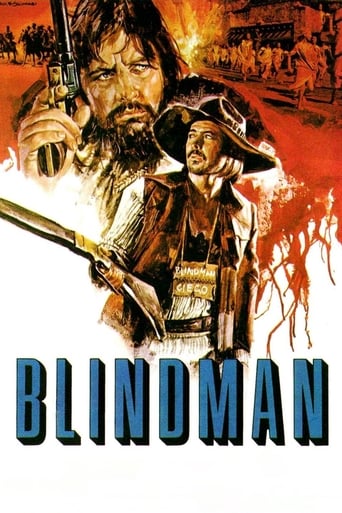 76substance
Ferdinando Baldi · 1971 · Italy, USA
Its bizarre premise becomes a strange, rough-edged fable, led by a performance that never asks you to take the hero at face value.
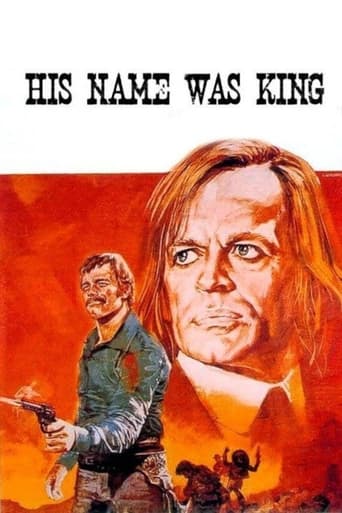 76substance
Giancarlo Romitelli · 1971 · Italy
The pursuit unfolds with a bleakness that gives the revenge story more weight than its pulpy title suggests.
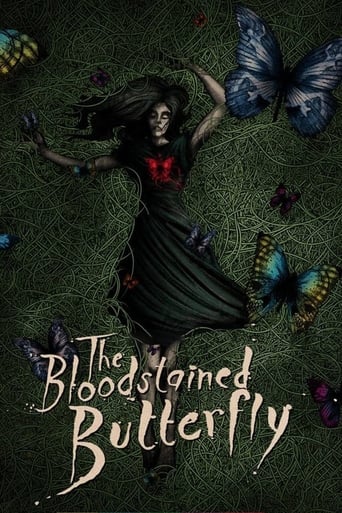 76substance
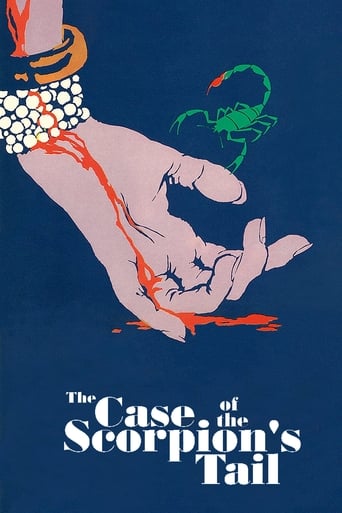
Duccio Tessari · 1971 · Italy
This Italian giallo uses shifting suspicion and a cool, watchful mood to make desire part of the mystery rather than decoration.
 79substance
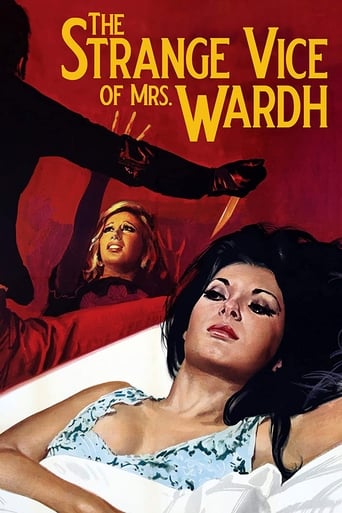
Sergio Martino · 1971 · Italy, Spain
Its international trail of suspects and shifting motives offers a lively, stylish example of the giallo detective puzzle.
 77substance
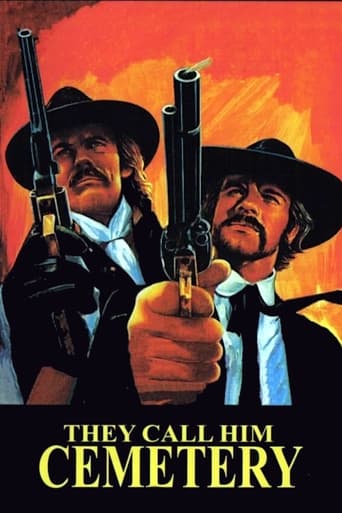
Sergio Martino · 1971 · Italy, Spain
Its elegant surfaces conceal a psychologically tangled mystery, and the film’s shifting uncertainties invite you to question every impression.
 75substance
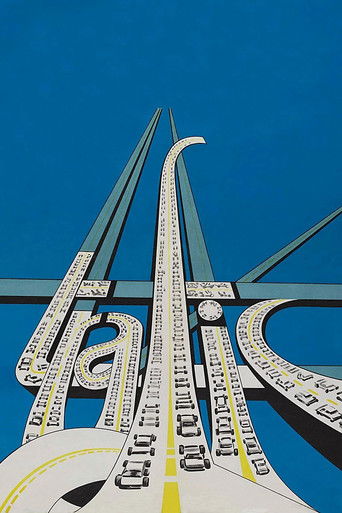
Giuliano Carnimeo · 1971 · Italy
A laconic avenger and a town full of dangerous secrets make this a brisk, atmospheric discovery.
 88substance
Jacques Tati · 1971 · France, Italy
Tati finds a whole comedy of human habits in a stalled journey, letting small visual details do the talking.
 75substance
Sergio Martino · 1972 · Italy, Spain
Its restless, dreamlike perspective makes a young woman’s fear feel more unnerving than any tidy explanation.
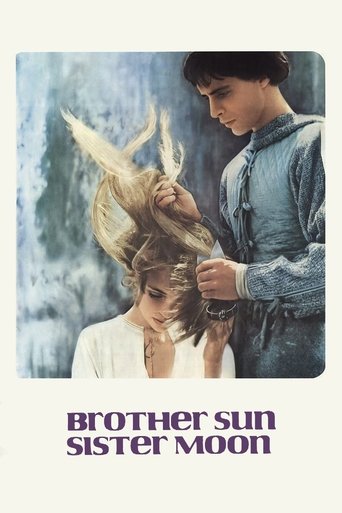 79substance
Franco Zeffirelli · 1972 · Italy, UK
Francis’s renunciation is carried by intimate scenes of friendship and nature, even as the film embraces a lyrical, idealistic tone.
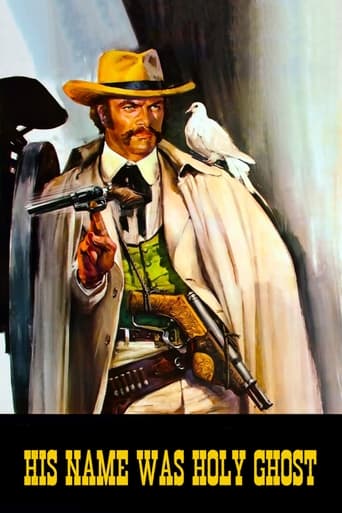 75substance
Giuliano Carnimeo · 1972 · Spain, Italy
A sardonic drifter and a sharply observed cast of schemers give this lesser-known western its charm.
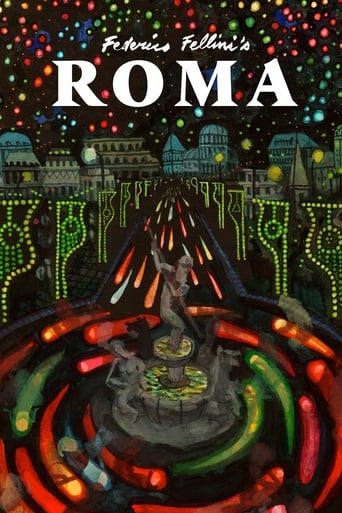 79substance
Federico Fellini · 1972 · France, Italy
Fellini’s Rome arrives as a loose, exuberant procession of images and encounters rather than a tour explained for outsiders.
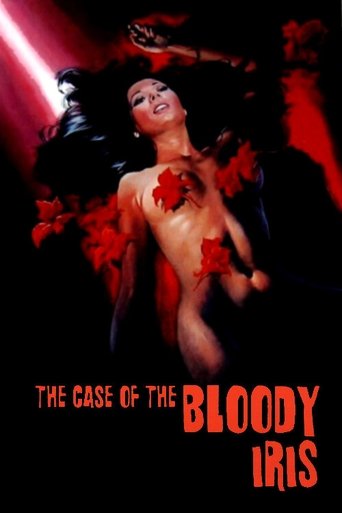 75substance
Giuliano Carnimeo · 1972 · Italy
An apartment building full of suspects gives its erotic menace a playful, carefully staged whodunit shape.
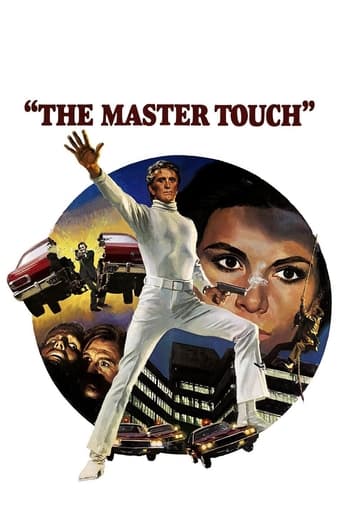 77substance
Michele Lupo · 1972 · Italy, Germany
A veteran thief’s gold heist is built around professional pride, wary partnerships, and the pleasures of watching a plan take shape.
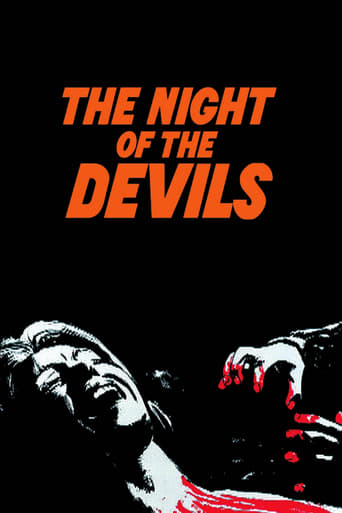 77substance
Giorgio Ferroni · 1972 · Italy, Spain
A traveler’s refuge in a remote village becomes a fogbound nightmare steeped in family legend and rural dread.
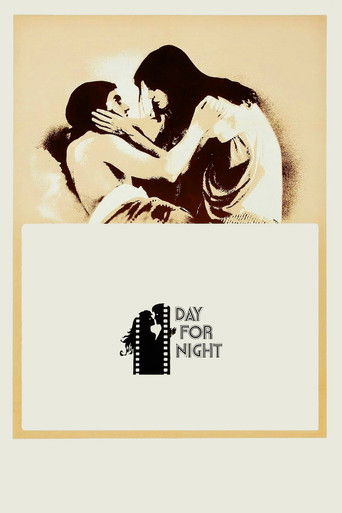 86substance
François Truffaut · 1973 · France, Italy
Its affectionate glimpses of a film crew’s petty crises make filmmaking feel like both a fragile collaboration and a wonderfully messy life.
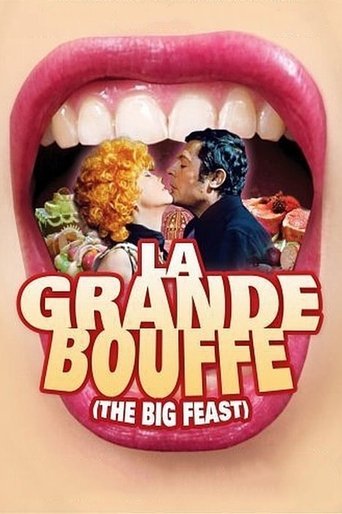 80substance
Marco Ferreri · 1973 · France, Italy
Its grotesque feast is staged with such cool formality that the absurdity keeps opening onto questions about appetite, privilege, and despair.
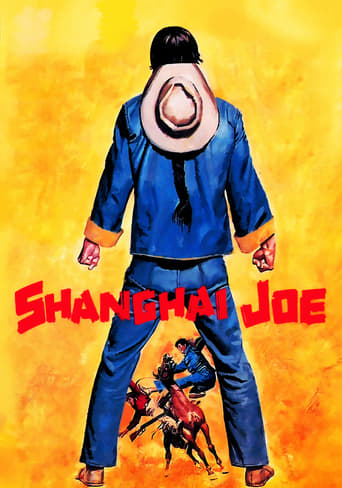 75substance
Mario Caiano · 1973 · Italy
Its cross-cultural outsider hero and unusual martial-arts clashes make for a lively, distinctly offbeat genre detour.
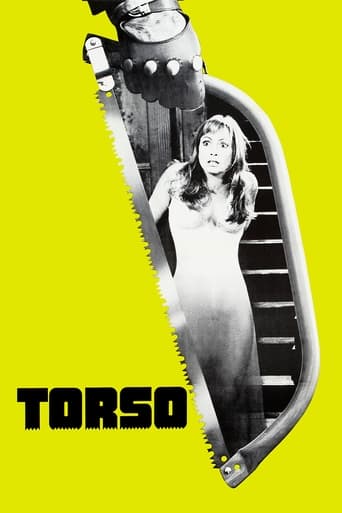 76substance
Sergio Martino · 1973 · Italy
Its isolated-villa finale builds tension through space and silence rather than relying only on the killer’s next appearance.
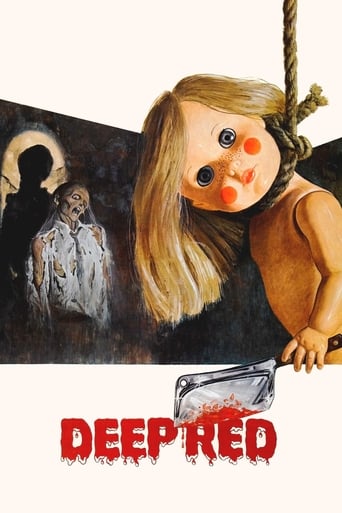 78substance
Dario Argento · 1975 · Italy
Its baroque camera moves and oddly casual investigative partnership make the murder puzzle feel both playful and genuinely unnerving.
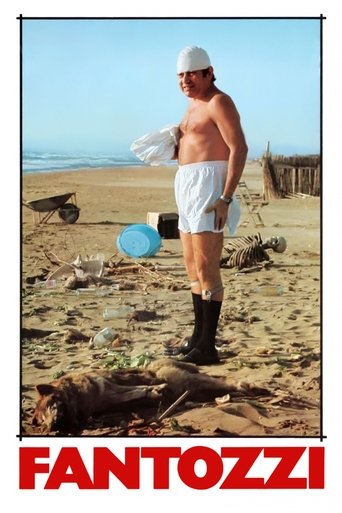 76substance
Luciano Salce · 1975 · Italy
Fantozzi’s humiliations land as a sharp portrait of office life, with Paolo Villaggio’s deadpan defeat doing the heavy lifting.
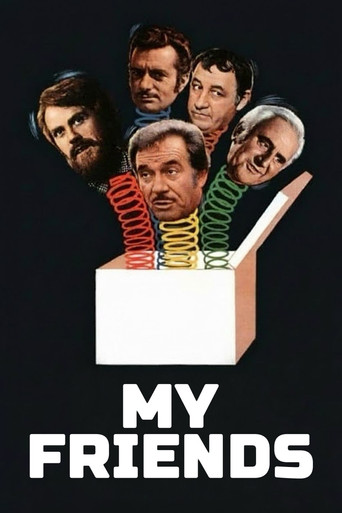 82substance
Mario Monicelli · 1975 · Italy
The friends’ elaborate pranks expose their own arrested lives, with a rueful, distinctly Italian mix of farce and melancholy.
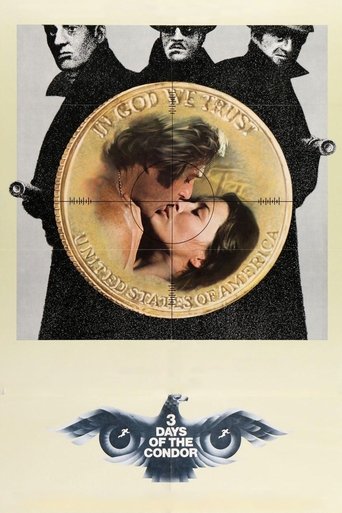 82substance
Sydney Pollack · 1975 · USA, Italy
Robert Redford’s bookish analyst is compellingly outmatched, and the film’s institutional paranoia still feels unsettlingly plausible.
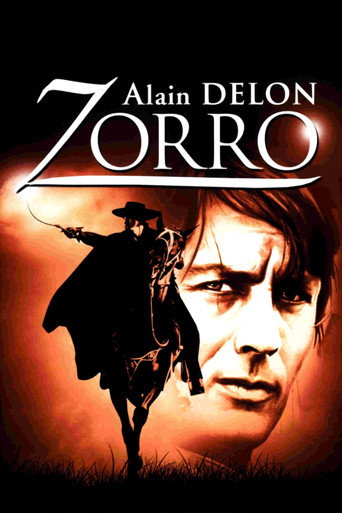 75substance
Duccio Tessari · 1975 · France, Italy
Alain Delon gives the masked avenger a sly lightness, and the film’s international flavor keeps its familiar ingredients fresh.
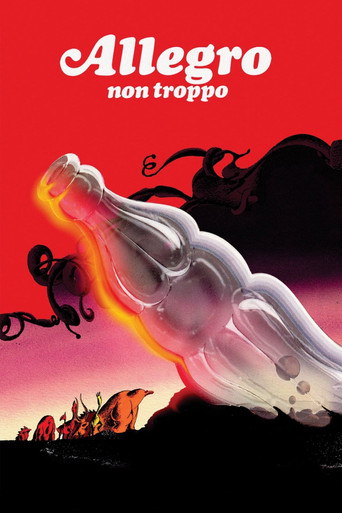 82substance
Bruno Bozzetto · 1976 · Italy
Its animated musical passages shift boldly between styles, while the live-action frame keeps the comedy from settling into a simple showcase.
 78substance
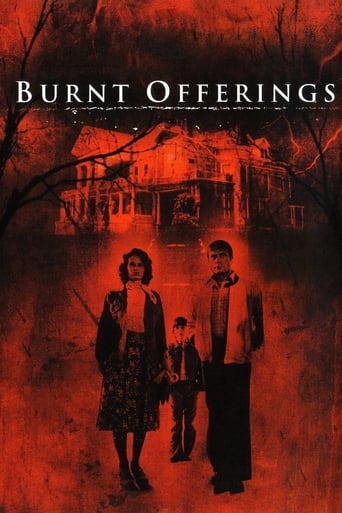
Dan Curtis · 1976 · Italy, USA
The family’s gradual surrender to a beautiful, hungry house makes domestic comfort feel more frightening than any apparition.
 76substance
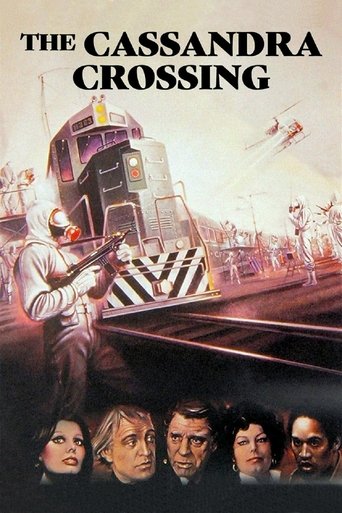
George P. Cosmatos · 1976 · Germany, Italy
Its doomed train gathers a tense cross-section of people whose competing motives matter as much as the threat outside.
 86substance
Ettore Scola · 1976 · Italy
Its savage family squabbles turn a crowded shack into a vivid portrait of survival, greed, and the absurdity of domestic life.
 84substance
Dario Argento · 1977 · Italy
Argento turns the ballet academy into a vivid nightmare of saturated color and disorienting sound, letting atmosphere outrun explanation.
 76substance
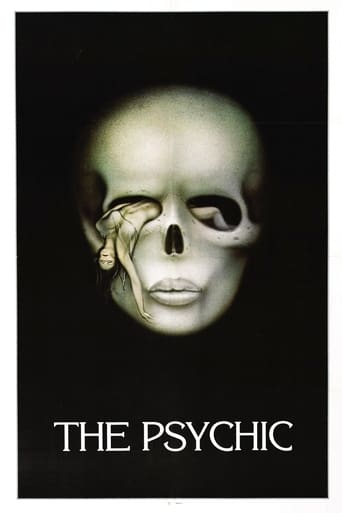
Lucio Fulci · 1977 · Italy
A woman’s visions turn a decaying mansion into a puzzle whose images feel more persuasive—and more troubling—than easy explanations.
 82substance
Monte Hellman · 1978 · Italy, Spain
Monte Hellman gives this border-crossing love triangle room to breathe, finding tension in glances and choices rather than gunfight spectacle.
 93substance
Ermanno Olmi · 1978 · Italy
Olmi observes a rural community through the rhythms of work and family life, letting its hardships and tenderness emerge without fuss.
 78substance
Federico Fellini · 1980 · France, Italy
A train stop sends Marcello Mastroianni into a sprawling, dreamlike maze of desire, bravado, and self-deception.
 78substance
Massimo Troisi · 1981 · Italy
Massimo Troisi’s hesitant charm gives this wandering comedy an appealingly unforced warmth and a real affection for everyday encounters.
 77substance
Lucio Fulci · 1981 · Italy
Its dreamlike descent into a hotel’s supernatural horrors favors nightmarish images over neat explanations.
 77substance
Lucio Fulci · 1981 · Italy
Fulci builds eerie, oppressive dread around a village, an old house, and a cat that seems to know more than anyone should.
 76substance
Lucio Fulci · 1981 · Italy
Its decaying New England house and unsettling family dynamics create a dreamlike Gothic unease that outlasts the shocks.
 78substance
Mario Monicelli · 1981 · France, Italy
Alberto Sordi’s prank-loving aristocrat skewers every layer of Rome’s hierarchy with buoyant, irreverent comic timing.
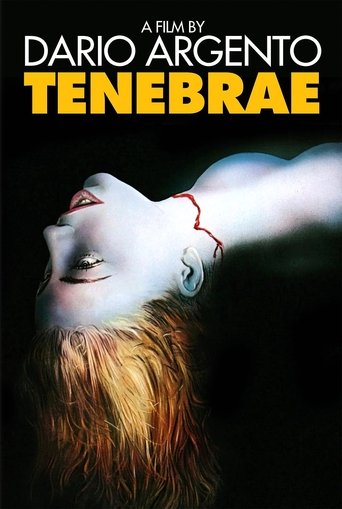 78substance
Dario Argento · 1982 · Italy
Argento’s stark architecture and roaming camera turn the investigation into a stylish, unsettling game of perception.
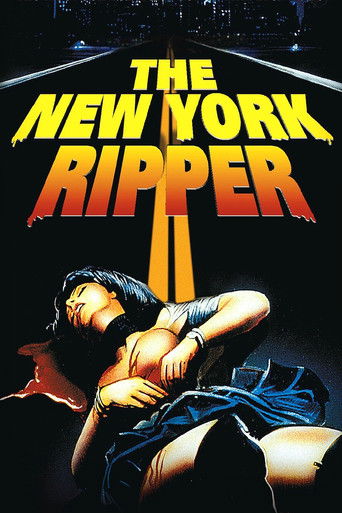 75substance
Lucio Fulci · 1982 · Italy
A bleak, abrasive city portrait gives this giallo-slashing hybrid a grim atmosphere that lingers beyond its shocks.
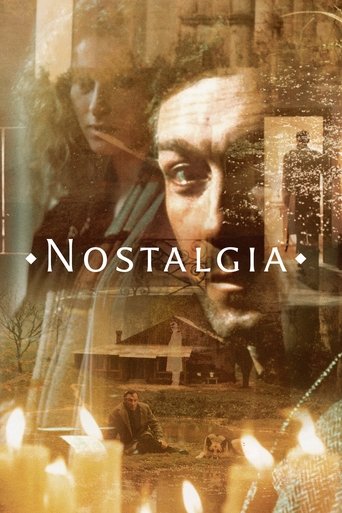 91substance
Andrei Tarkovsky · 1983 · Italy, Soviet Union
Tarkovsky’s long, dreamlike images let homesickness and spiritual yearning accumulate without reducing them to explanations.
 85substance
Nanni Moretti · 1984 · Italy
Nanni Moretti turns a neighbor-watching mathematics professor’s need for order into an absurd, unsettling portrait of loneliness.
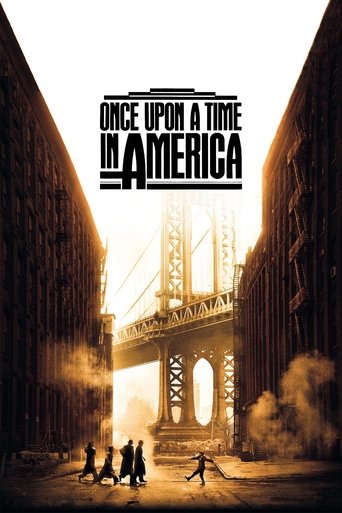 88substance
Sergio Leone · 1984 · Italy, USA
Its fractured memories and long silences turn a gangster’s return into a haunting meditation on guilt, time, and what we cannot know.
 76substance
Lamberto Bava · 1985 · Italy
A movie theater becomes a sealed pressure cooker as infection transforms its audience in lurid, inventive ways.
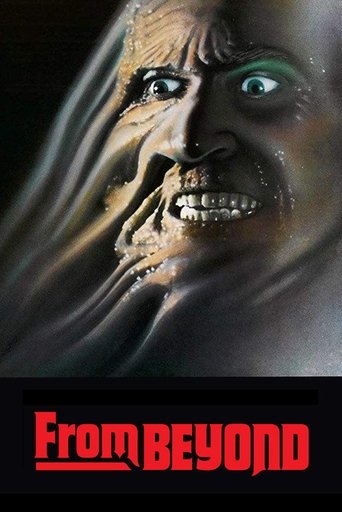 76substance
Stuart Gordon · 1986 · USA, Italy
Its exposed nerves and warped appetites give cosmic horror a wonderfully tactile, pulpy intensity.
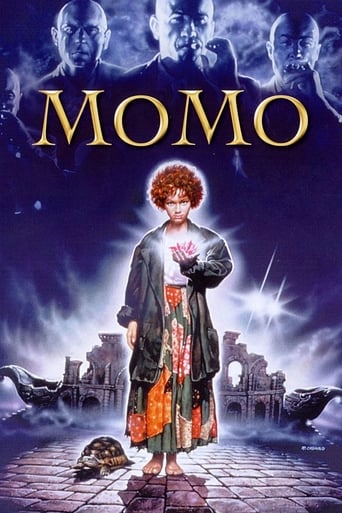 78substance
Johannes Schaaf · 1986 · Germany, Italy
A mysterious girl confronts the Gray Gentlemen in a fable that makes stolen time feel both fantastical and painfully familiar.
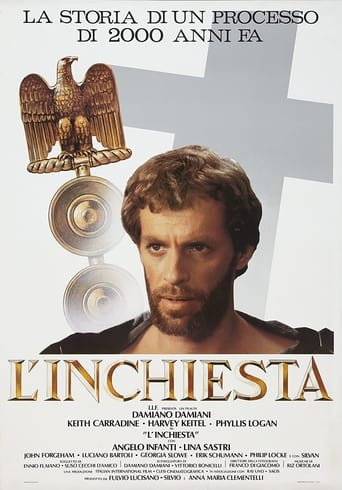 77substance
Damiano Damiani · 1986 · Italy, Spain
A Roman investigation into the aftermath of Jesus’s death becomes a thoughtful clash between political evidence and religious conviction.
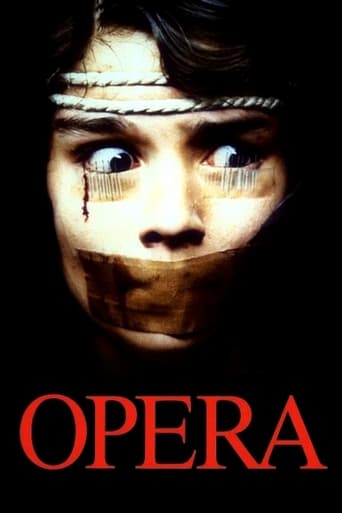 77substance
Dario Argento · 1987 · Italy
Argento makes the heroine’s forced, helpless watching part of the film’s unnerving visual design, not just a gimmick.
 78substance
Michele Soavi · 1987 · Italy
Soavi turns a theatre rehearsal into a night of striking stage images, where the performers’ costumes and roles become part of the unease.
 80substance
Fernando Birri · 1988 · Cuba, Italy
A winged stranger arrives in a shabby village, where people’s mundane reactions become as revealing as the miracle itself.
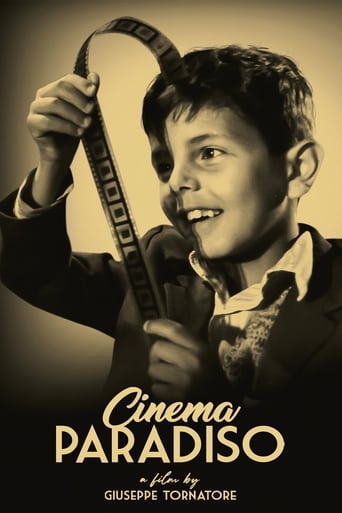 78substance
Giuseppe Tornatore · 1988 · Italy, France
The old projectionist’s friendship with young Salvatore gives the film its warmth, and its ending leaves a tender ache for vanished places.
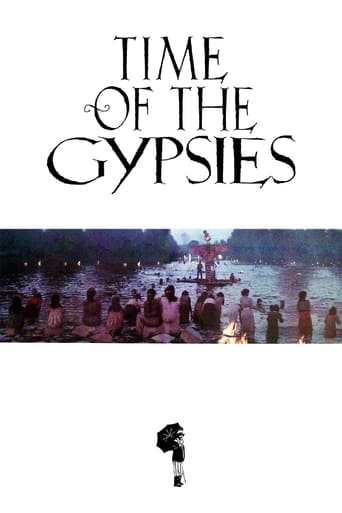 88substance
Emir Kusturica · 1988 · Italy, UK
Its dreamlike blend of hardship, humor, and folk magic makes Perhan’s rise and fall feel both mythic and painfully human.
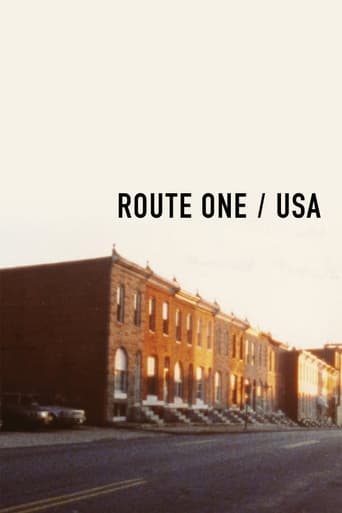 89substance
Robert Kramer · 1989 · France, Italy
A road trip becomes an open-ended portrait of America, attentive to ordinary encounters rather than imposing a tidy thesis.
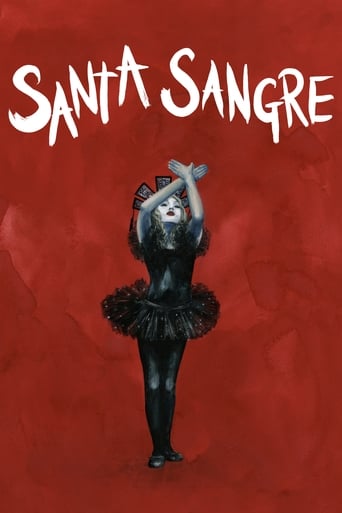 78substance
Alejandro Jodorowsky · 1989 · Italy, Mexico
Its grotesque circus imagery turns a fractured family’s trauma into a feverish, unforgettable visual world.
 80substance
Bernardo Bertolucci · 1990 · Italy, UK
The travelers’ uncertain passage across North Africa grows more disorienting by the mile, with the desert refusing to explain itself.
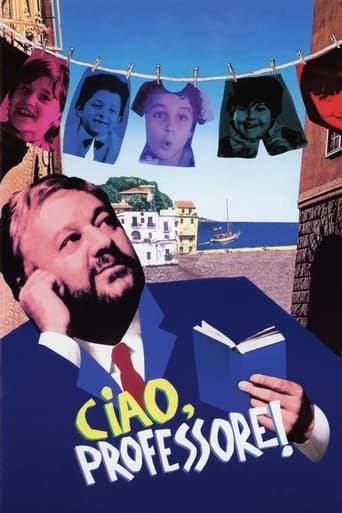 76substance
Lina Wertmüller · 1992 · Italy
The teacher’s awkward adjustment to his new class finds warmth in the children’s irreverence rather than easy sentiment.
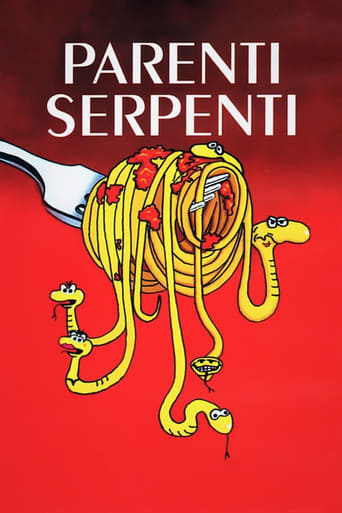 82substance
Mario Monicelli · 1992 · Italy
The Christmas-table civility gradually curdles into a sharp, uncomfortable portrait of family selfishness.
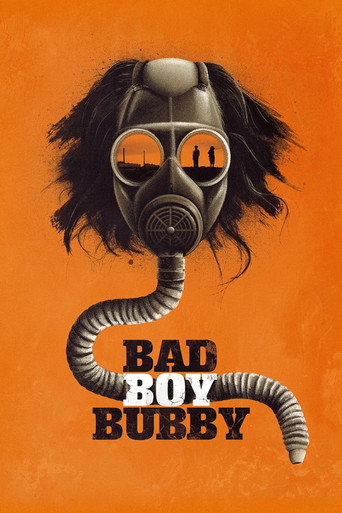 78substance
Rolf de Heer · 1993 · Australia, Italy
Its abrasive humor and close attention to Bubby’s unfamiliar world make for a disturbing, unexpectedly humane viewing experience.
 90substance
Nanni Moretti · 1993 · Italy, France
Moretti’s Vespa rides turn Rome into a wry, sunlit diary, and his deadpan observations leave room for the city—and his contradictions—to speak.
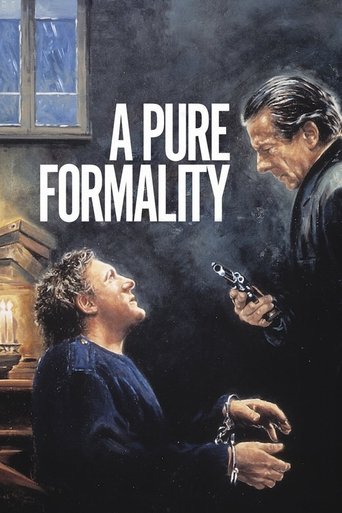 78substance
Giuseppe Tornatore · 1994 · Italy, France
The rain-soaked interrogation turns a mystery into an intimate, shifting encounter between two superbly controlled performances.
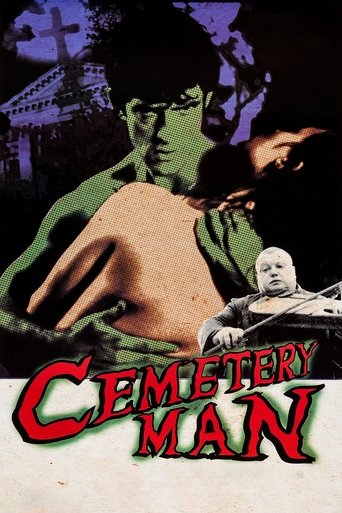 76substance
Michele Soavi · 1994 · Italy, France
Rupert Everett’s weary cemetery caretaker meets the undead with such matter-of-factness that the film’s romance and absurdity coexist.
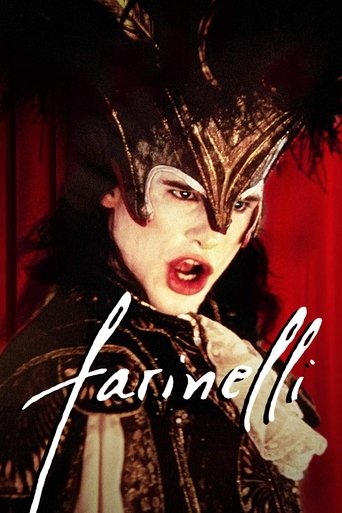 77substance
Gérard Corbiau · 1994 · Italy, France
The gorgeous, unsettling sound design keeps the cost of Farinelli’s fame present beneath the film’s lavish period spectacle.
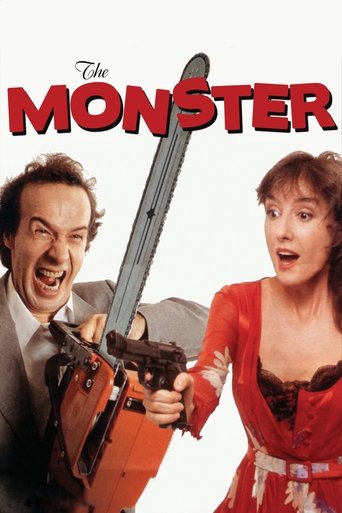 76substance
Roberto Benigni · 1994 · Italy, France
Benigni builds farce from a man mistaken for a serial killer, finding sharp comedy in the absurdities of suspicion.
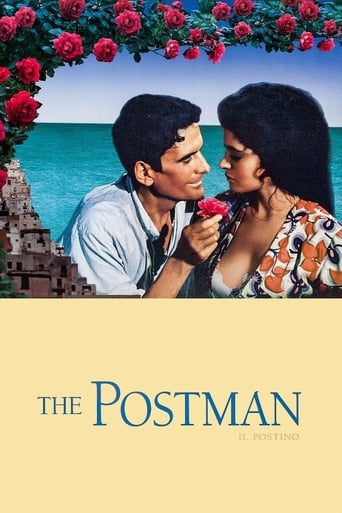 85substance
Michael Radford · 1994 · Italy, France
Troisi makes the postman’s shy discovery of poetry feel tender and particular, and the island’s quiet rhythms give the romance room to breathe.
 80substance
Álex de la Iglesia · 1995 · Italy, Spain
A priest’s frantic effort to summon the Antichrist turns religious dread into gleefully scruffy urban chaos.
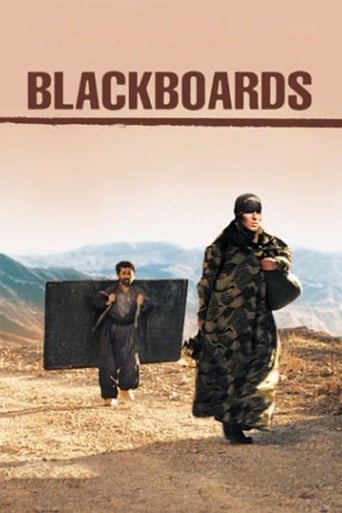 81substance
Samira Makhmalbaf · 2000 · Iran, Italy
In a stark mountain landscape, a group of children keeps moving on its own terms, challenging what an adult’s help can really offer.
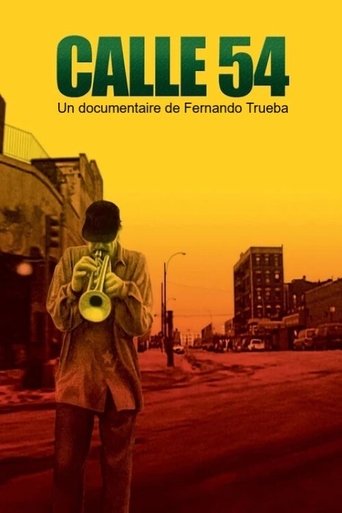 85substance
Fernando Trueba · 2000 · Spain, Italy
Its close-up performances give Latin jazz room to breathe, letting the musicians’ gestures and conversations carry the film.
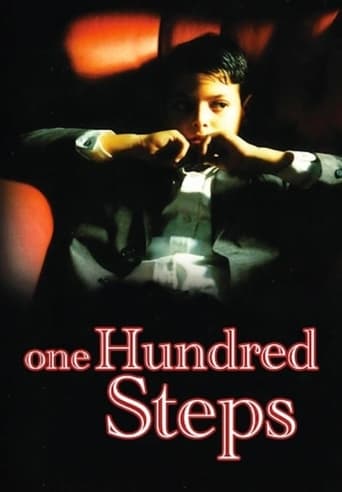 78substance
Marco Tullio Giordana · 2000 · Italy
Peppino’s irreverent pirate-radio broadcasts turn resistance into something funny, intimate, and fiercely personal.
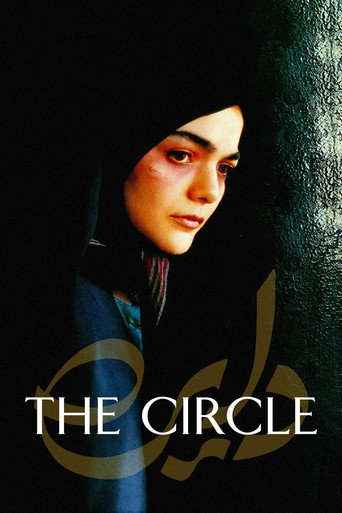 88substance
Jafar Panahi · 2000 · Iran, Italy
Following women through Tehran’s streets, Panahi builds an urgent portrait of constraint from encounters that never need to spell out the system.
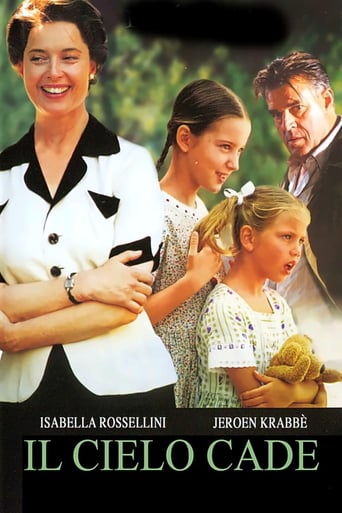 80substance
Andrea Frazzi & Antonio Frazzi · 2000 · Italy
Two children’s view of an Italian household under occupation keeps the danger close while leaving room for bewilderment and play.
 77substance
Vicente Aranda · 2001 · Spain, Italy
Pilar López de Ayala keeps Juana’s shifting public and private selves compellingly ambiguous in this Spanish court drama.
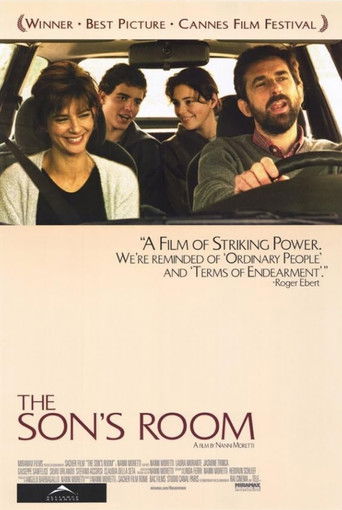 79substance
Nanni Moretti · 2001 · Italy, France
The family’s grief arrives in awkward, ordinary moments, and Nanni Moretti resists making loss into a neat lesson.
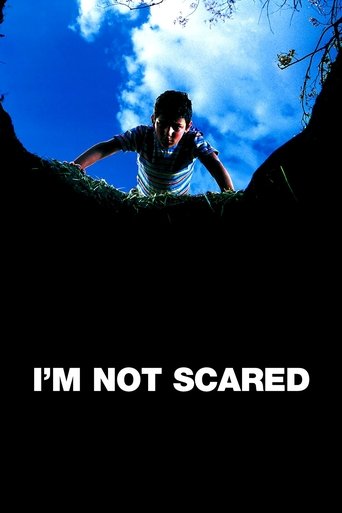 82substance
Gabriele Salvatores · 2003 · Italy, Spain
The wheat-field landscapes stay rooted in a child’s perspective, making Michele’s discovery feel frightening without losing its tender moral center.
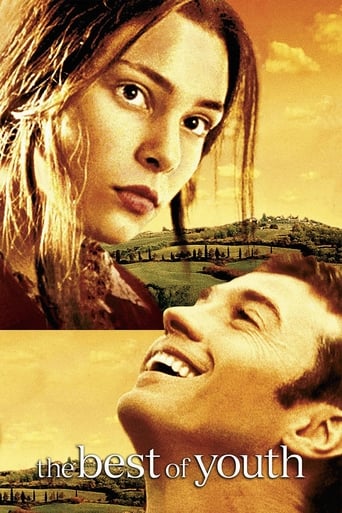 83substance
Marco Tullio Giordana · 2003 · Italy
The brothers’ diverging lives unfold with generous patience, making private choices and national history feel equally consequential.
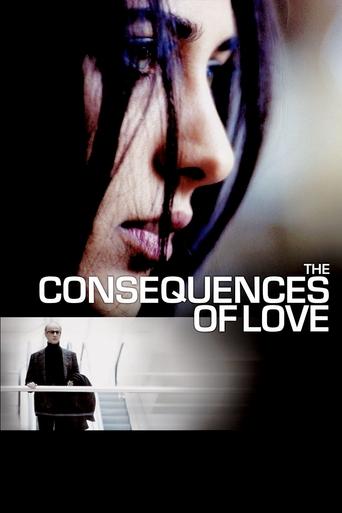 89substance
Paolo Sorrentino · 2004 · Italy
Titta’s rigid hotel rituals and the film’s cool, composed framing make a startlingly intimate portrait of loneliness and risk.
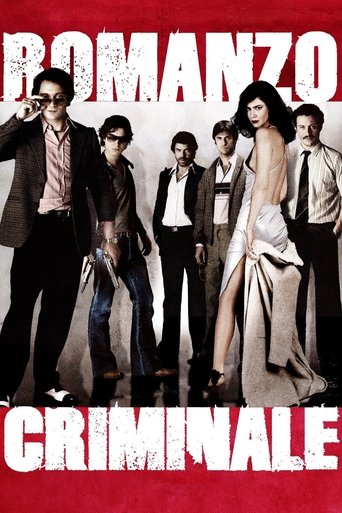 79substance
Michele Placido · 2005 · France, Italy
Rome’s criminal rise unfolds as a patient, unsentimental portrait of ambition, loyalty, and the friendships power steadily corrodes.
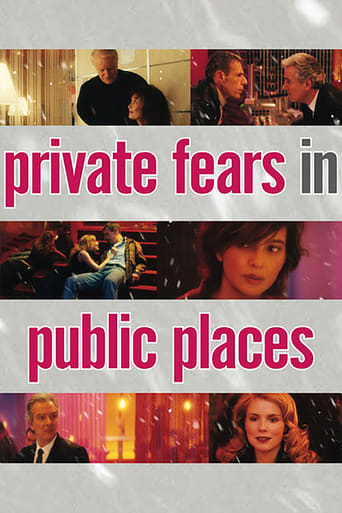 85substance
Alain Resnais · 2006 · France, Italy
Resnais lets lives brush against one another through intimate rooms and wintery pauses, finding loneliness in the spaces between encounters.
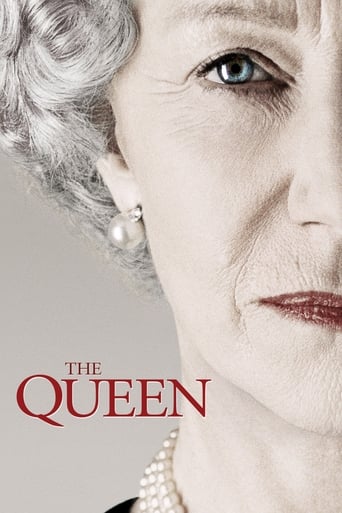 79substance
Stephen Frears · 2006 · France, Italy
Helen Mirren makes the Queen’s carefully controlled silences as revealing as her rare moments of warmth during a week of public upheaval.
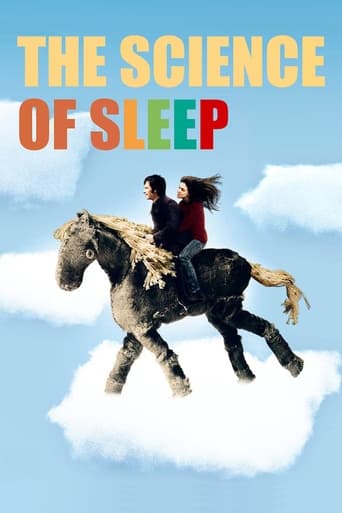 78substance
Michel Gondry · 2006 · France, Italy
Handmade dream worlds blur into awkward reality as Stéphane struggles to express feelings he can barely understand.
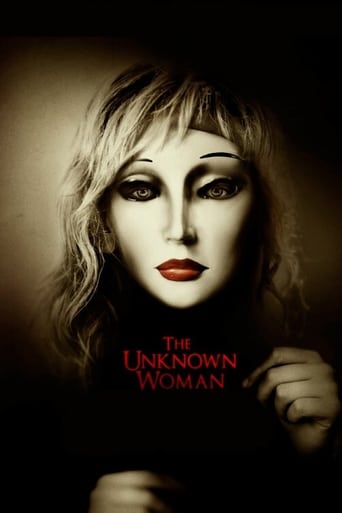 82substance
Giuseppe Tornatore · 2006 · Italy, France
A woman’s guarded efforts to enter a family life leave you weighing the difference between survival, manipulation, and care.
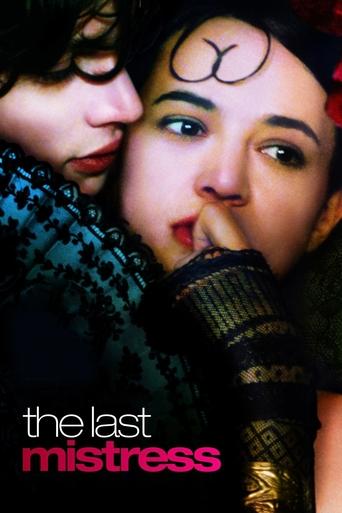 81substance
Catherine Breillat · 2007 · France, Italy
Breillat refuses a tidy verdict on a volatile affair, letting desire, vanity, and social convention collide without easy excuses.
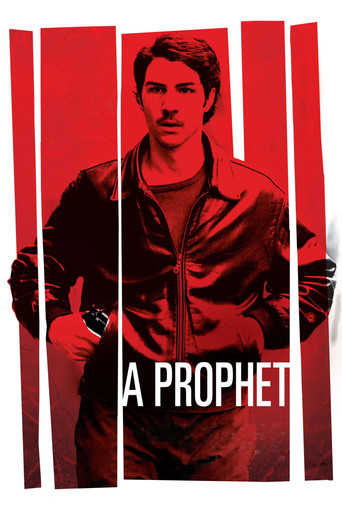 90substance
Jacques Audiard · 2009 · France, Italy
Malik’s gradual transformation is observed with unnerving patience, making each small act of adaptation feel both clever and morally costly.
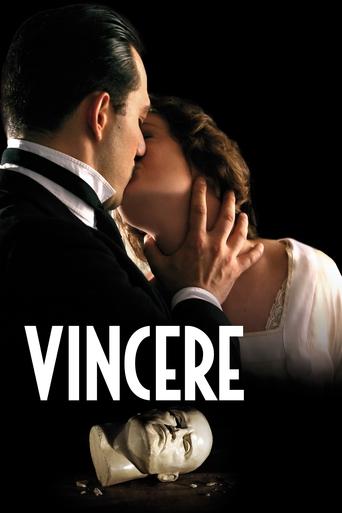 80substance
Marco Bellocchio · 2009 · Italy, France
Bellocchio’s restless images capture how one woman’s private life is swallowed by a public myth.
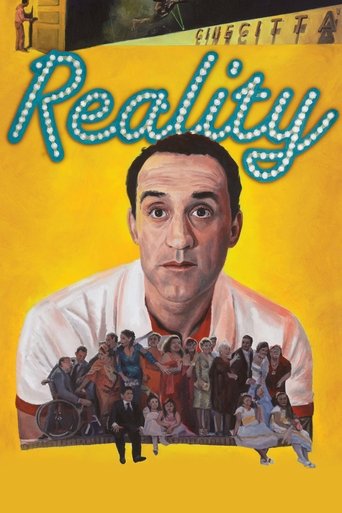 83substance
Matteo Garrone · 2012 · France, Italy
The father’s growing fixation is both farcical and unsettling, as the film watches ordinary family life bend around the fantasy of being watched.
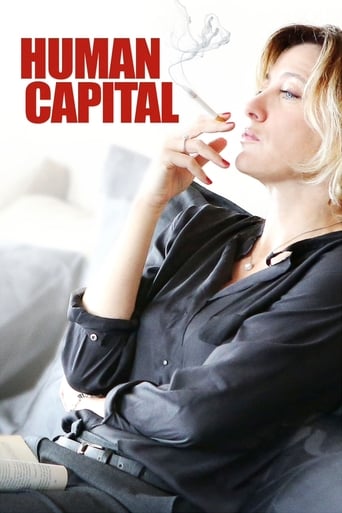 83substance
Paolo Virzì · 2013 · Italy, France
Its interlocking perspectives reveal how class and self-deception shape one family’s choices without reducing anyone to a simple villain.
 88substance
Uberto Pasolini · 2013 · Italy, UK
Eddie Marsan’s restrained, lonely caseworker gives small gestures of care an unexpectedly profound weight.
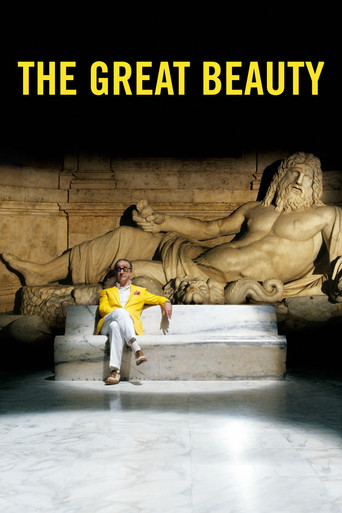 86substance
Paolo Sorrentino · 2013 · France, Italy
Jep’s drift through Rome’s parties and quiet ruins leaves glamour and regret hanging together without forcing a verdict.
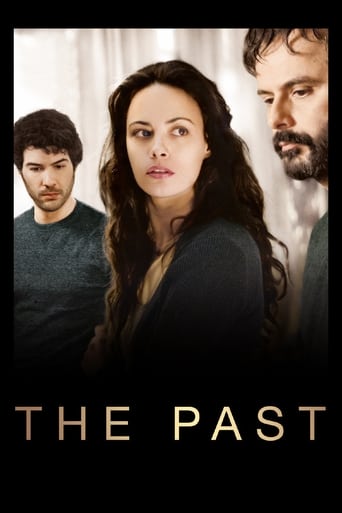 90substance
Asghar Farhadi · 2013 · France, Italy
As each character’s version of the past comes into view, the film builds moral tension through patient conversations rather than tidy revelations.
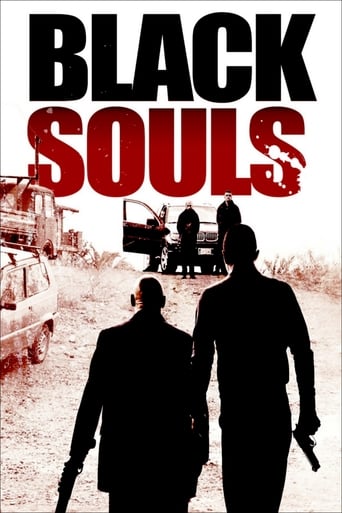 83substance
Francesco Munzi · 2014 · France, Italy
Its brothers’ restrained conversations and the Calabrian landscape make family loyalty feel inseparable from the violence it protects.
 85substance
Juliano Ribeiro Salgado & Wim Wenders · 2014 · Italy, France
Salgado’s photographs are given room to speak, while the film traces the cost of witnessing suffering and the possibility of renewal.
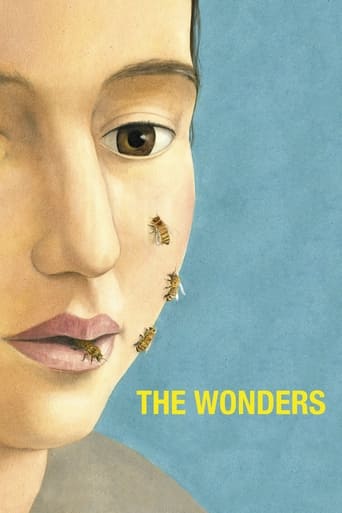 85substance
Alice Rohrwacher · 2014 · Germany, Italy
Gelsomina’s family life in rural Italy feels both enchanting and constraining as she begins to want a world beyond it.
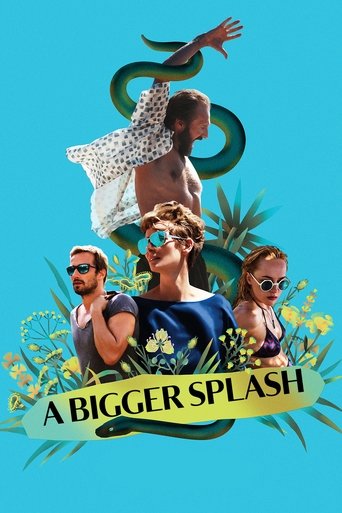 80substance
Luca Guadagnino · 2015 · France, Italy
Desire, jealousy, and old grievances simmer in the sun while the film leaves you to read the silences between its guests.
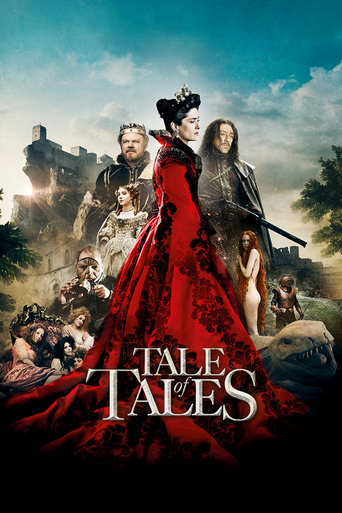 82substance
Matteo Garrone · 2015 · UK, Italy
Three dark, interwoven folk stories unfold with grotesque humor and an earthy sense that every wish has a cost.
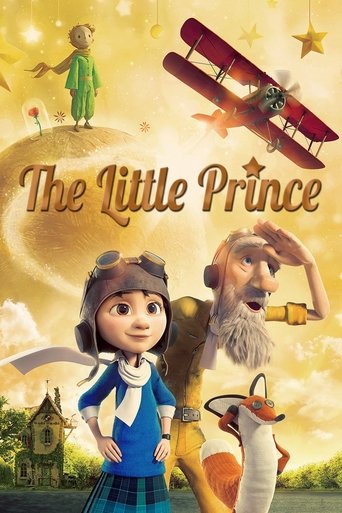 80substance
Mark Osborne · 2015 · France, Italy
A girl’s carefully scheduled life is gently opened up by a neighbor’s memories, with two animation styles enriching the contrast.
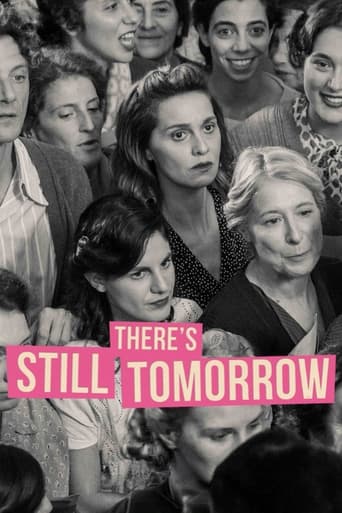 84substance
Paola Cortellesi · 2023 · Italy
Its shift into a musical rhythm makes Delia’s small acts of resistance feel both buoyant and hard-won.
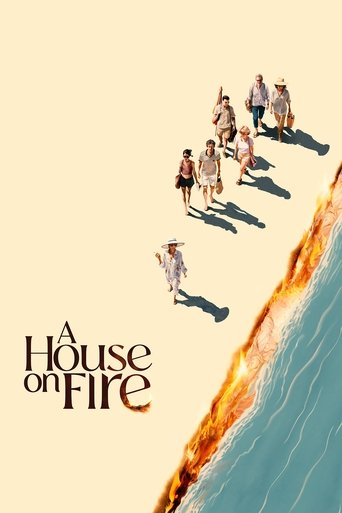 77substance
Dani de la Orden · 2024 · Spain, Italy
The family reunion becomes a sharply observed pressure cooker, with Emma Vilarasau grounding the comic chaos in a mother’s painful longing.
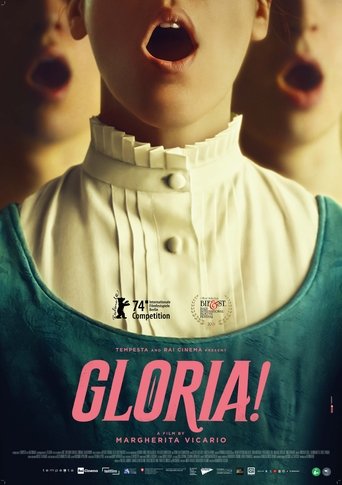 77substance
Margherita Vicario · 2024 · Italy, Switzerland
The girls’ exuberant music-making gives this convent story a playful pulse as Teresa helps them push against the rules enclosing them.
 78substance
Luca Guadagnino · 2024 · Italy, USA
Craig’s restless, often uncomfortable performance and the film’s drifting, hallucinatory form make longing feel vivid without neatly explaining it.
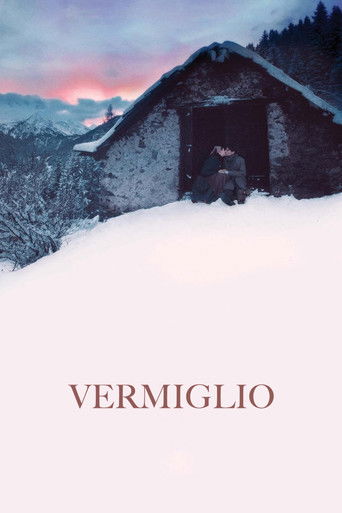 85substance
Maura Delpero · 2024 · Italy, France
Its patient attention to a mountain family’s routines makes the soldier’s arrival—and the community’s changing emotional weather—feel quietly consequential.
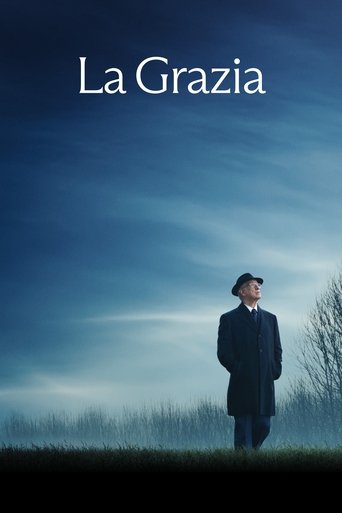 79substance
Paolo Sorrentino · 2025 · Italy
Sorrentino lets a retiring president’s private doubts and the quiet exchanges around him carry the weight of the moral dilemmas.
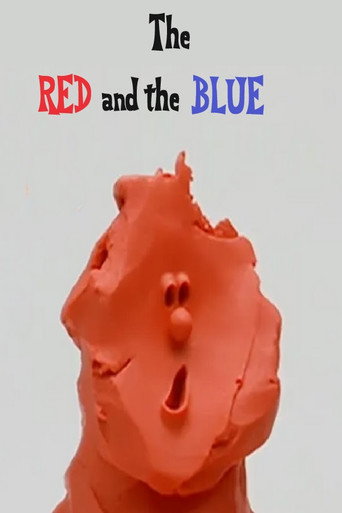 78substance
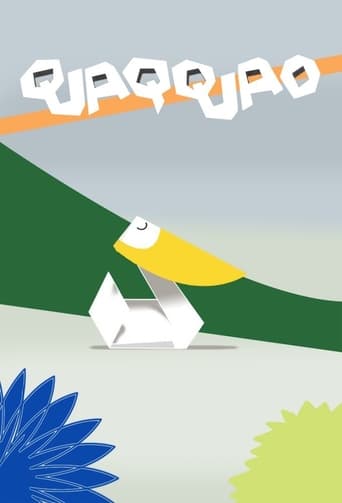
Francesco Misseri · 1976–1977 · 2 seasons · Italy
Its two clay characters make a compact study in contrast, using physical comedy and simple visual ideas instead of chatter.
 79substance
Francesco Misseri · 1978 · 1 season · Italy
A curious duckling’s encounters make inventive use of simple materials and the transformations stop-motion does best.
 82substance
Nicola Badalucco & Lucio Battistrada · 1984–2001 · 10 seasons · Italy
Follow Inspector Cattani through a Sicily where the Mafia’s reach is felt as much in quiet offices as in violent streets.
 84substance
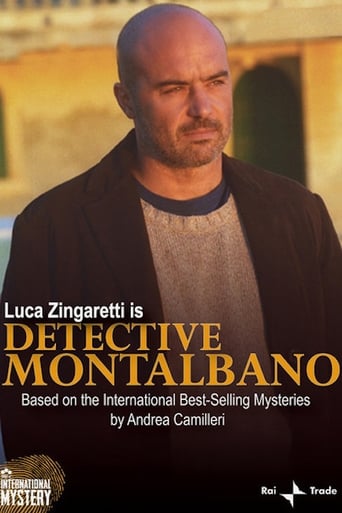
Andrea Camilleri · 1999–2021 · 15 seasons · Italy
Montalbano’s appetite, impatience, and sharp eye make Sicily feel as vivid as the crimes he untangles.
 78substance
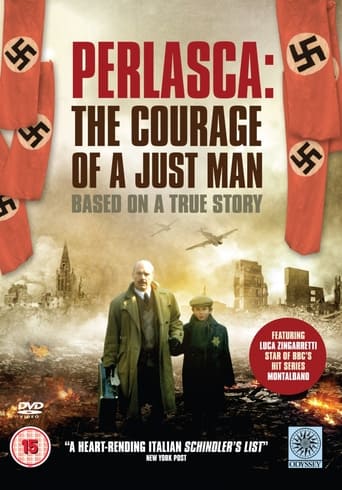
Alberto Negrin · 2002 · Miniseries · Italy
A morally complicated rescue story lets courage emerge through improvisation and risk rather than turning its protagonist into a simple legend.
 86substance
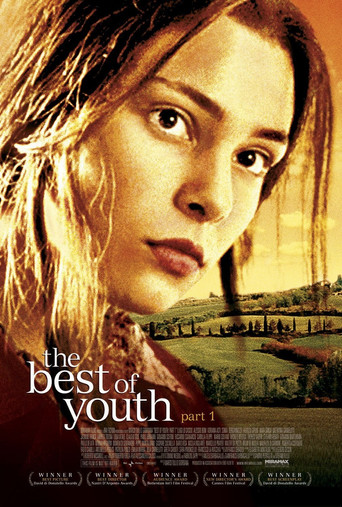
Marco Tullio Giordana & Sandro Petraglia · 2003 · Miniseries · Italy
Two brothers’ lives unfold across decades of Italian change, letting youth’s ideals mature into complicated choices rather than tidy lessons.
 85substance
Luca Manzi & Carlo Mazzotta · 2007–2022 · 4 seasons · Italy
Its crew’s futile attempts to make a TV drama turn production compromises into sharp, sustained comedy about art and work.
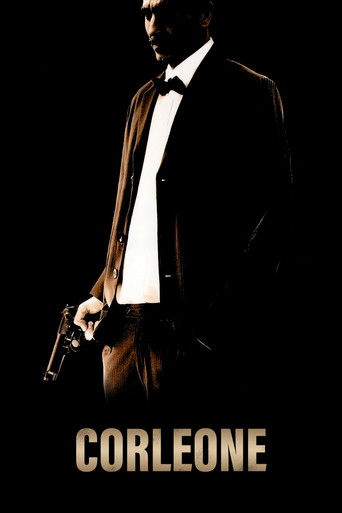 81substance
Stefano Bissi & Domenico Starnone · 2007 · Miniseries · Italy
This Italian account of a mafioso’s rise builds its menace through patient observation rather than turning every crime into spectacle.
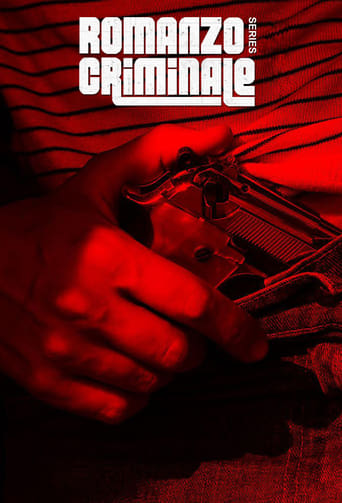 81substance
Stefano Sollima & Giancarlo De Cataldo · 2008–2010 · 2 seasons · Italy
Following a Roman gang across decades, it makes ambition, loyalty, and political corruption feel like parts of the same long night.
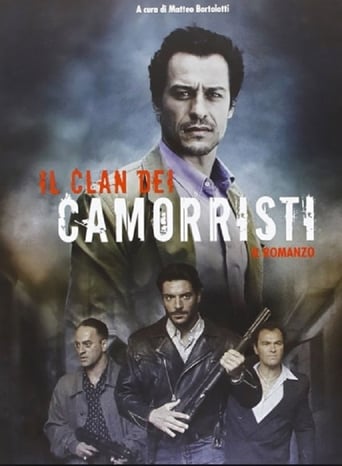 76substance
Pietro Valsecchi · 2013 · 1 season · Italy
Its Camorra power struggle shows how criminal authority takes hold in ordinary civic life, not only in the underworld.
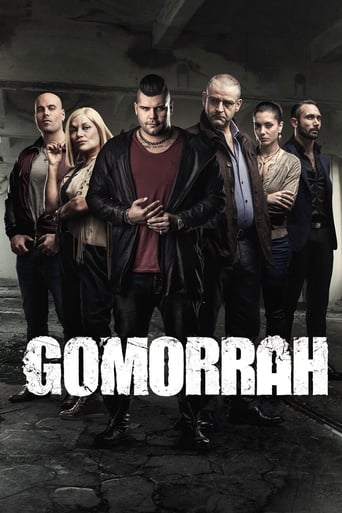 87substance
Roberto Saviano · 2014–2021 · 5 seasons · Italy
Ciro’s shifting loyalties make the Camorra feel less like a crime saga than a brutal system that consumes everyone inside it.
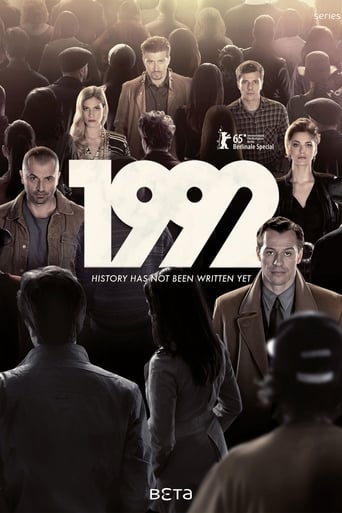 78substance
Alessandro Fabbri & Ludovica Rampoldi · 2015 · Miniseries · Italy
The Milan corruption scandal is seen through sharply different lives, so the political earthquake feels personal without losing its scale.
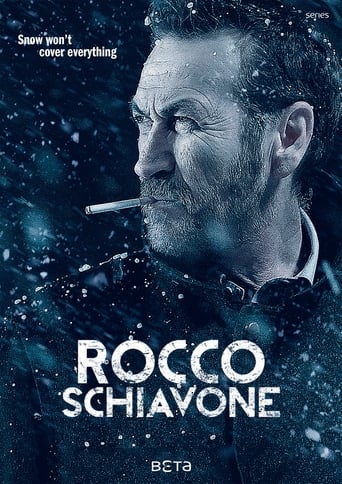 78substance
Antonio Manzini · 2016– · 6 seasons · Italy
Rocco’s abrasive habits and private grief make the investigations feel personal without turning him into a conventional hero.
 81substance
Paolo Sorrentino · 2016 · Miniseries · Italy
Its Vatican is an institution full of practiced operators, while Lenny Belardo’s silences leave you to judge what his authority means.
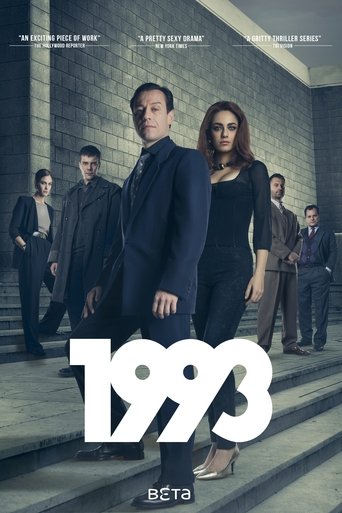 78substance
Alessandro Fabbri, Ludovica Rampoldi and Stefano Sardo · 2017 · Miniseries · Italy
Its interlocking lives show how Italy’s political upheaval reshapes personal ambition, rather than treating history as a backdrop.
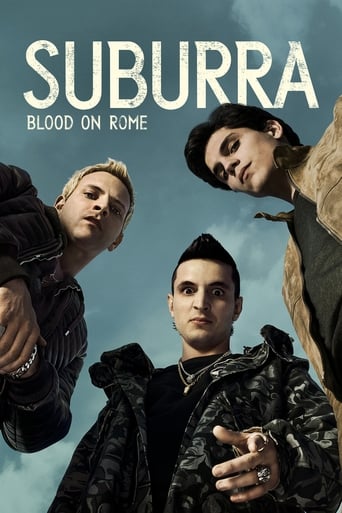 77substance
Carlo Bonini & Daniele Cesarano · 2017–2020 · 3 seasons · Italy
Its collision of politicians, gangsters, and church power gives Rome a sleek surface and a deeply compromised underside.
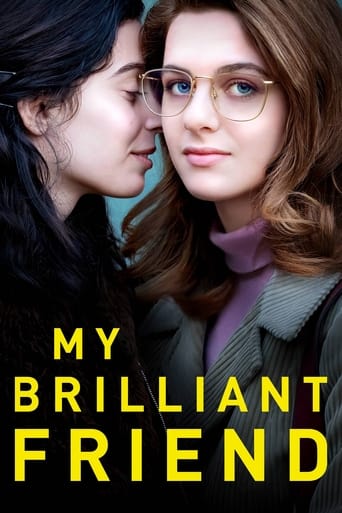 86substance
Saverio Costanzo · 2018–2024 · 4 seasons · Italy
Lila and Lenù’s changing friendship keeps the constraints of poverty and gender present without flattening either woman.
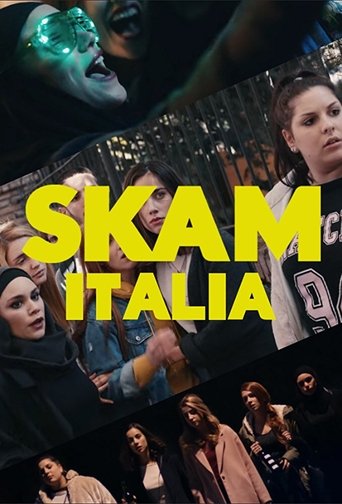 80substance
Ludovico Bessegato & Julie Andem · 2018–2024 · 6 seasons · Italy
Its close attention to the rhythms of teenage life lets changing friendships and private uncertainties speak for themselves.
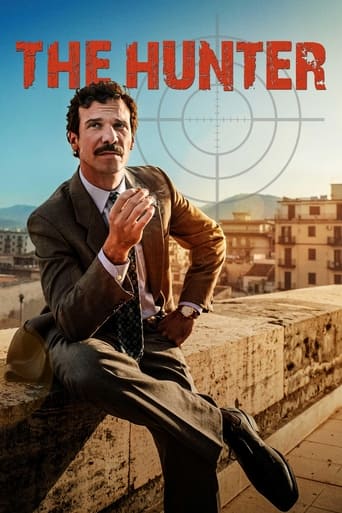 80substance
Marcello Izzo & Silvia Ebreul · 2018–2021 · 3 seasons · Italy
A prosecutor’s pursuit of the Sicilian Mafia is less a victory lap than a tense portrait of obsession and institutional cost.
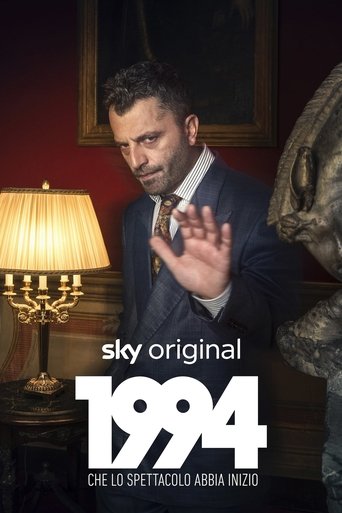 78substance
Alessandro Fabbri, Ludovica Rampoldi and Stefano Sardo · 2019 · Miniseries · Italy
The trilogy’s final chapter traces political transformation through characters already changed by the choices that brought them here.
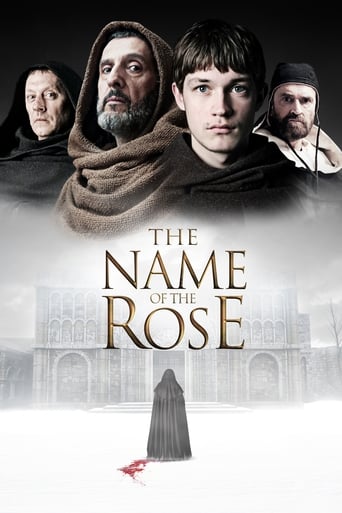 84substance
Giacomo Battiato · 2019 · Miniseries · Italy
A novice and his formidable mentor investigate deaths in a monastery where books, doctrine, and power are all clues.
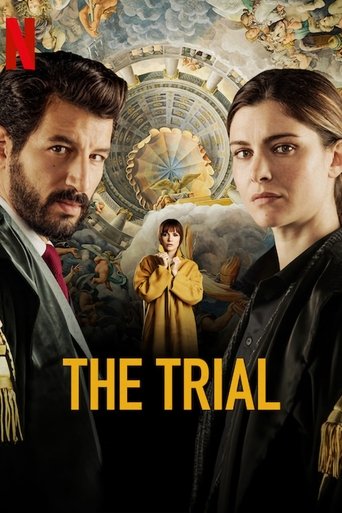 78substance
Alessandro Fabbri · 2019 · 1 season · Italy
This Italian series lets the prosecutor and defence build distinct, persuasive versions of a murder case.
 76substance
Ezio Abbate & Ivano Fachin · 2020 · 1 season · Italy
A family’s return to a lakeside town gives its folklore a quietly ominous place in the rhythms of daily life.
 82substance
Paolo Sorrentino · 2020 · Miniseries · Italy
Its Vatican power struggles unfold through strange, composed images that leave faith, ambition and spectacle productively tangled.
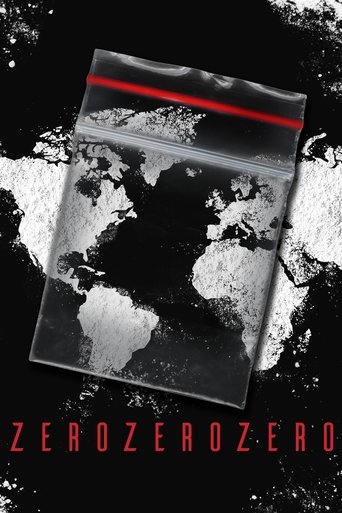 76substance
Leonardo Fasoli & Mauricio Katz · 2020 · Miniseries · Italy
A massive cocaine shipment becomes a prize fought over across borders, with each perspective changing the meaning of the deal.
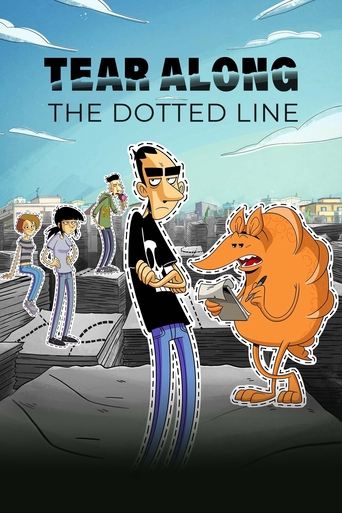 87substance
Zerocalcare · 2021 · Miniseries · Italy
Zero’s armadillo-as-conscience narration turns a Rome road trip into a funny, painfully honest reckoning with love and growing up.
 78substance
Marco Bellocchio & Giovanni Bianconi · 2022 · Miniseries · France, Italy
Bellocchio approaches the Aldo Moro crisis from shifting perspectives, leaving political conviction and private grief in unresolved tension.
 80substance
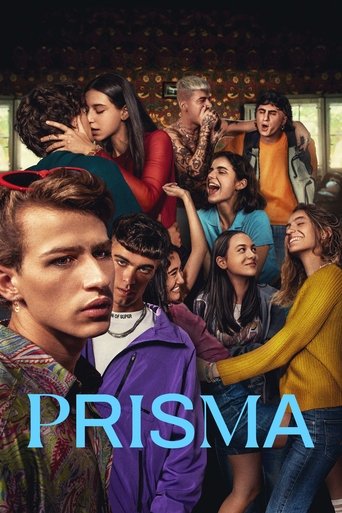
Ludovico Bessegato & Alice Urciuolo · 2022–2024 · 2 seasons · Italy
Twin siblings’ contrasting paths through identity and desire are handled with a patient, observant feel for teenage uncertainty.
 76substance
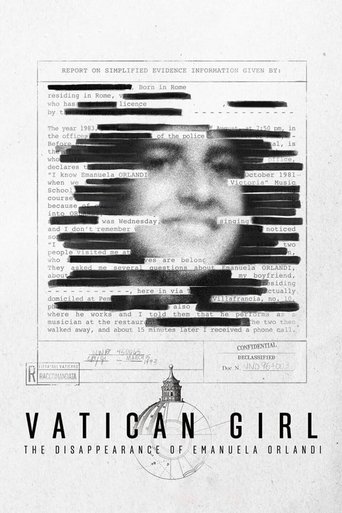
2022 · Miniseries · Italy
Its long, unresolved investigation gives the disappearance room to remain unsettling rather than forcing a tidy answer.
 75substance
Guido Iuculano & Davide Orsini · 2023–2026 · 3 seasons · Italy
Lidia’s fight to practise law in nineteenth-century Italy gives its crime cases a lively perspective on who gets to speak for justice.
 84substance
Zerocalcare · 2023 · Miniseries · Italy
Zerocalcare’s anxious inner monologue turns a neighborhood dispute into a funny, uncomfortable reckoning with solidarity and belonging.
 80substance
Joe Wright · 2025 · Miniseries · Italy
Joe Wright’s theatrical framing and Mussolini’s direct address make the rise to power feel unsettlingly present, not safely sealed in the past.
 88substance
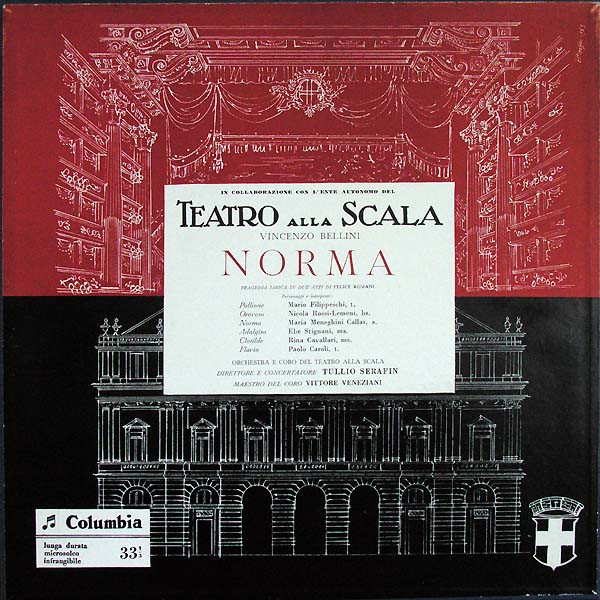
Vincenzo Bellini - Mario Filippeschi, Nicola Rossi-Lemeni, Maria Callas, Ebe Stignani, Rina Cavallari, Paolo Caroli · 1954 · Columbia · Italy
Styles: Opera / Romantic / Bel Canto
Callas makes “Casta diva” sound less like a showpiece than a fragile plea, and carries that vulnerability through the whole drama.
Pressings on Discogs(opens in a new tab) 77substance
The Arthur Lyman Group · 1959 · Globe · Italy
Styles: Easy Listening / Space-Age / Pacific / Exotica
Lyman’s mallet tones and percussion give these arrangements a vivid, tactile pulse beneath their languid surface.
Pressings on Discogs(opens in a new tab) 77substance
Adriano Celentano · 1961 · Jolly Hi-Fi Records · Italy
Styles: Rock & Roll / Cha-Cha
Celentano brings a restless, theatrical charge to Italian rock and roll, and the title song’s rhythmic breaks keep catching the ear.
Pressings on Discogs(opens in a new tab)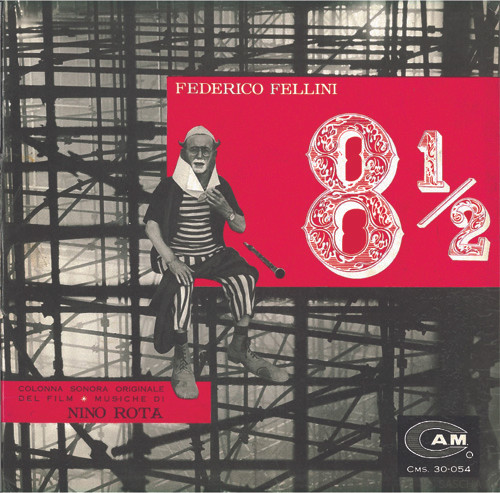 82substance
Nino Rota · 1963 · CAM · Italy
Styles: Soundtrack / Score
The circus-band melodies keep slipping between playfulness and melancholy, just like Fellini’s memories and fantasies folding into one another.
Pressings on Discogs(opens in a new tab) 77substance
The Astronauts · 1964 · RCA Victor · Italy
Styles: Surf
A useful counterpoint to the California guitar sound: the band’s tidy arrangements and buoyant rhythms make the whole album feel airborne.
Pressings on Discogs(opens in a new tab)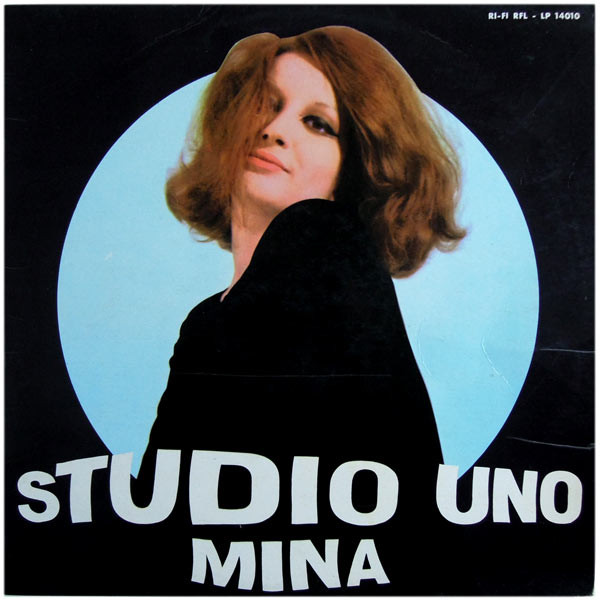 78substance
Styles: Vocal / Chanson / Easy Listening
Mina’s elastic phrasing gives Italian pop’s bright orchestration real dramatic tension, especially when a melody suddenly turns.
Pressings on Discogs(opens in a new tab)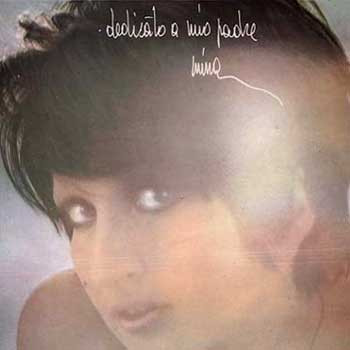 83substance
Styles: Vocal / Ballad
Mina’s commanding voice makes the album’s dramatic arrangements feel personal, with each change in tempo revealing another shade of her delivery.
Pressings on Discogs(opens in a new tab)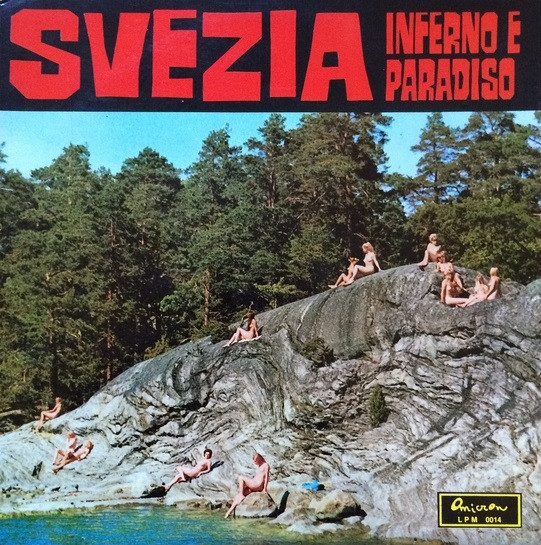 82substance
Piero Umiliani · 1968 · Omicron · Italy
Styles: Soundtrack / Score
Its playful lounge colors, sharp rhythmic shifts and unexpected moods make this Italian score a wonderfully odd trip from cue to cue.
Pressings on Discogs(opens in a new tab)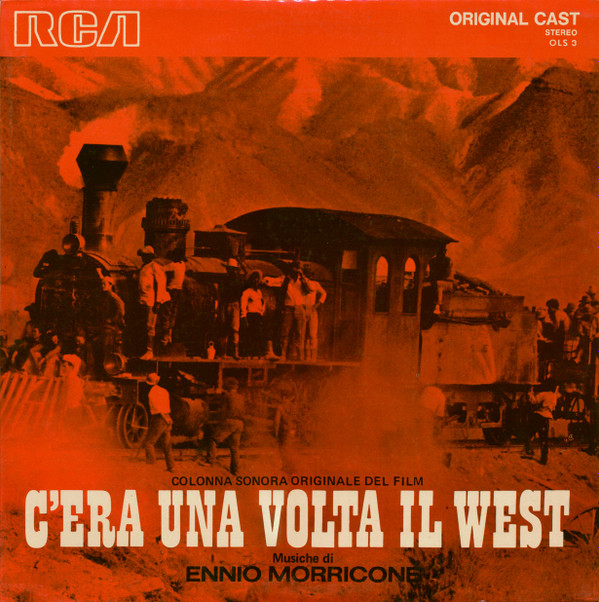 92substance
Ennio Morricone · 1969 · RCA Original Cast · Italy
Styles: Soundtrack
Its themes unfold like landscapes: patient, strange and enormous, with Claudia Cardinale’s presence written into the music.
Pressings on Discogs(opens in a new tab) 86substance
Brainticket · 1971 · Hallelujah · Italy
Styles: Krautrock / Psychedelic Rock / Space Rock / Experimental
The extended pieces use repetition and shifting texture to make their hallucinatory intensity feel cumulative.
Pressings on Discogs(opens in a new tab)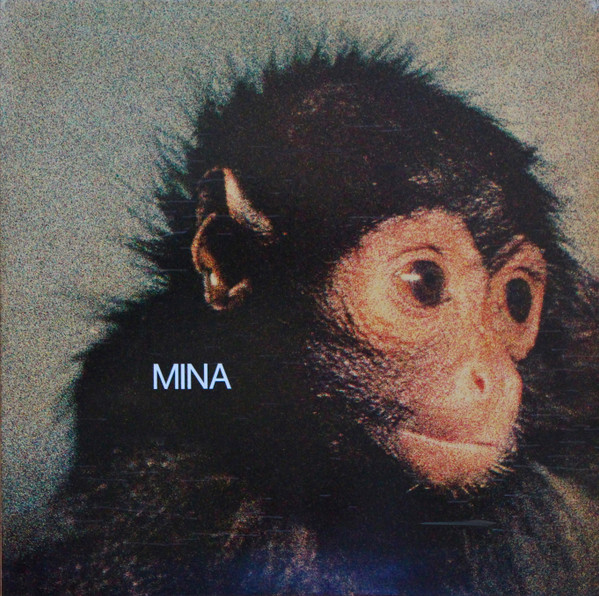 82substance
Styles: Ballad / Vocal
Mina’s expressive voice moves effortlessly between orchestral sweep and intimate stillness across this carefully varied set.
Pressings on Discogs(opens in a new tab) 88substance
Brainticket · 1971 · Durium Marche Estere · Italy
Styles: Krautrock / Psychedelic Rock / Space Rock / Acid Rock
The title track’s spiralling percussion and voice pull you into a ritual that grows stranger and more compelling as it unfolds.
Pressings on Discogs(opens in a new tab)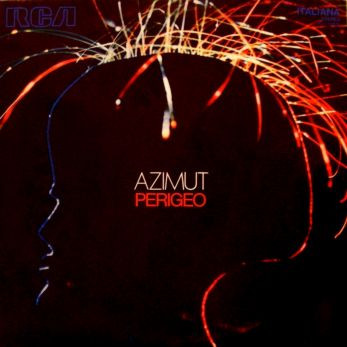 80substance
Perigeo · 1972 · RCA Italiana · Italy
Styles: Jazz-Rock / Fusion / Prog Rock
A distinctive Italian take on fusion, with spacious keyboards and bass lines that give its instrumental passages room to breathe.
Pressings on Discogs(opens in a new tab)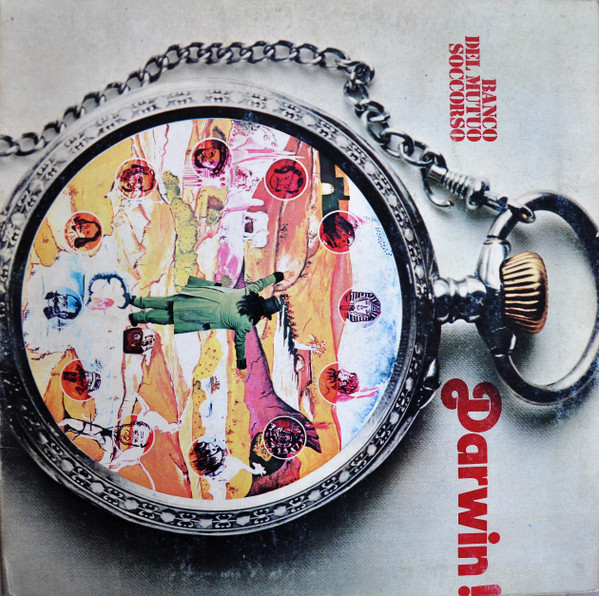 88substance
Banco Del Mutuo Soccorso · 1972 · Ricordi · Italy
Styles: Prog Rock
Its piano-led passages, shifting ensemble textures, and Italian vocals give the album’s evolutionary concept warmth as well as scale.
Pressings on Discogs(opens in a new tab)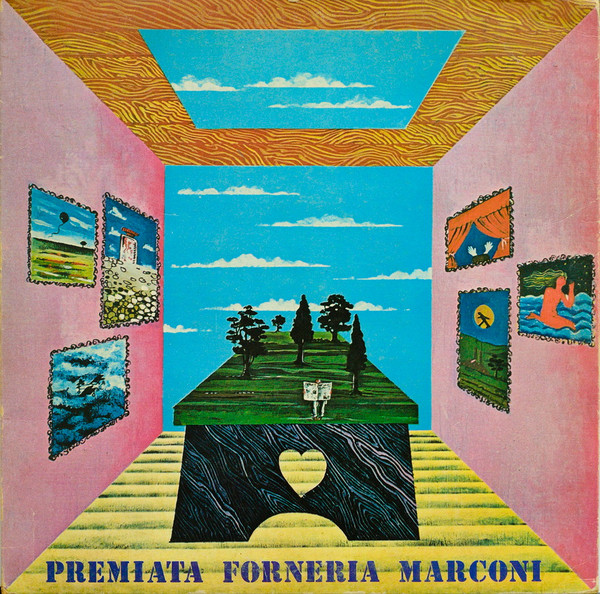 88substance
Premiata Forneria Marconi · 1972 · Numero Uno · Italy
Styles: Art Rock / Prog Rock
Flute, violin, and restless keyboard passages give these Italian compositions an organic flow rather than a virtuoso checklist.
Pressings on Discogs(opens in a new tab)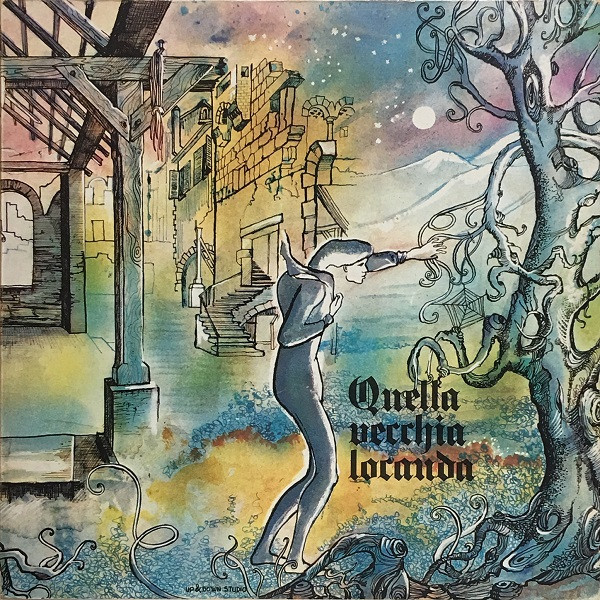 84substance
Quella Vecchia Locanda · 1972 · Help! · Italy
Styles: Prog Rock
The violin and flute give its Italian symphonic rock a chamber-music delicacy, especially as “Il Cieco” gathers force.
Pressings on Discogs(opens in a new tab) 86substance
Premiata Forneria Marconi · 1972 · Numero Uno · Italy
Styles: Art Rock / Prog Rock / Symphonic Rock
Folk-like acoustic passages bloom into intricate ensemble playing, especially on “Impressioni di settembre,” without losing the feeling of a song shared among friends.
Pressings on Discogs(opens in a new tab) 86substance
Il Balletto Di Bronzo · 1972 · Polydor · Italy
Styles: Prog Rock
Its jagged keyboards and abrupt dynamic changes make the album’s dark, compact suite feel startlingly alive.
Pressings on Discogs(opens in a new tab)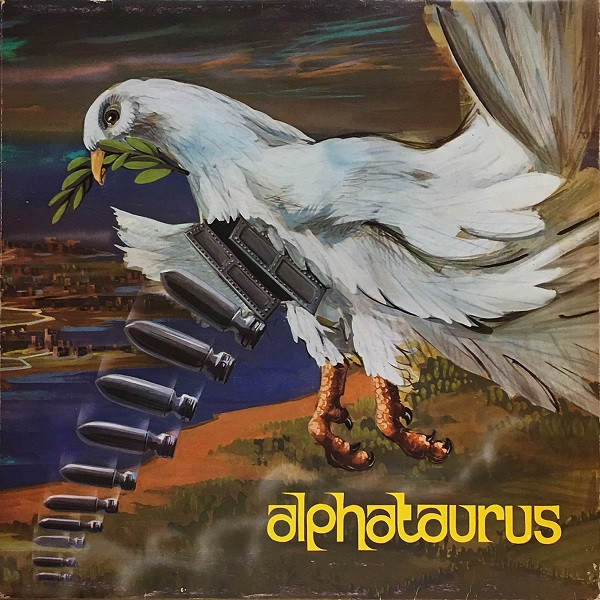 84substance
Alphataurus · 1973 · Magma · Italy
Styles: Psychedelic Rock / Prog Rock / Symphonic Rock
A dark, restless Italian suite lets Mellotron, guitar and voice push against one another instead of settling into easy grandeur.
Pressings on Discogs(opens in a new tab)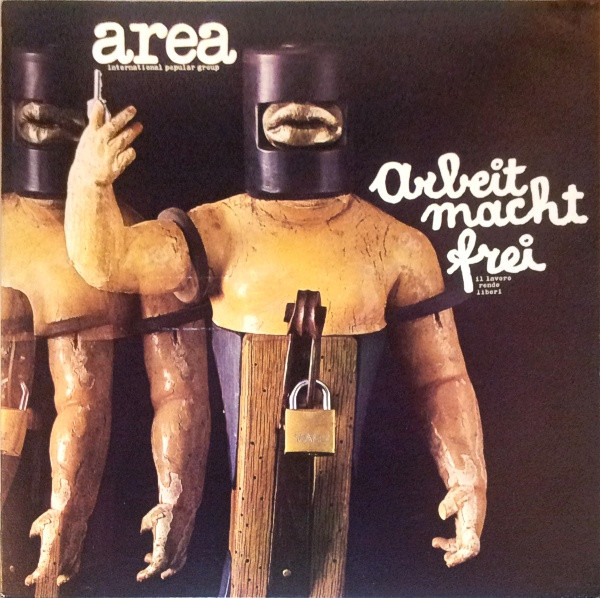 93substance
Area · 1973 · Cramps Records · Italy
Styles: Prog Rock / Jazz-Rock
Area turn jagged rhythms, urgent vocals, and freewheeling improvisation into a politically charged whole that refuses to smooth over its edges.
Pressings on Discogs(opens in a new tab) 82substance
Il Rovescio Della Medaglia · 1973 · RCA · Italy
Styles: Prog Rock
Baroque motifs and electric-rock weight collide in arrangements that keep finding new angles on the same dramatic material.
Pressings on Discogs(opens in a new tab) 84substance
Le Orme · 1973 · Philips · Italy
Styles: Prog Rock
Its compact, linked songs build an entire imagined world, balancing lyrical Italian melodies with keyboards that keep changing the landscape.
Pressings on Discogs(opens in a new tab)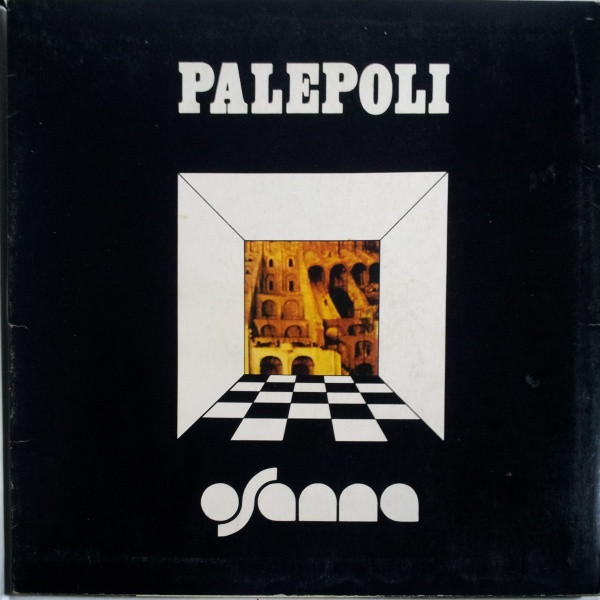 87substance
Styles: Prog Rock
Neapolitan vocals, saxophone and heavy guitar give its long suites a vivid, unruly theatricality that feels rooted in a place.
Pressings on Discogs(opens in a new tab) 80substance
Piero Umiliani · 1973 · Liuto Records · Italy
Styles: Space-Age / Jazz-Funk / Easy Listening / Rhythm & Blues
The record moves between nimble funk, vivid percussion, and cinematic textures, with arrangements that stay playful rather than merely polished.
Pressings on Discogs(opens in a new tab)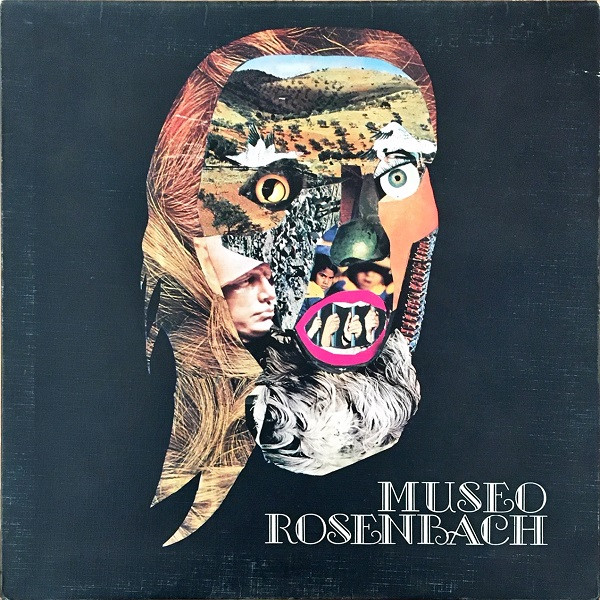 86substance
Museo Rosenbach · 1973 · Ricordi · Italy
Styles: Prog Rock / Symphonic Rock
Its organ and guitar move between stately grandeur and sudden turbulence, building a vivid, demanding album around Nietzschean themes.
Pressings on Discogs(opens in a new tab) 83substance
Biglietto Per L'Inferno · 1974 · Trident · Italy
Styles: Prog Rock / Symphonic Rock
Flute, piano and forceful Italian vocals collide in songs that balance pastoral detail with sudden, gripping surges of heaviness.
Pressings on Discogs(opens in a new tab) 88substance
Astor Piazzolla · 1974 · Carosello · Italy
Styles: Contemporary Jazz / Tango
The title track’s insistent pulse keeps opening into unexpected colors, while the quieter pieces reveal how much tenderness sits inside Piazzolla’s restless sound.
Pressings on Discogs(opens in a new tab) 80substance
Gerry Mulligan / Astor Piazzolla · 1974 · Erre T.V. · Italy
Styles: Tango
Mulligan’s baritone sax and Piazzolla’s bandoneón make an intriguing, rough-edged pairing.
Pressings on Discogs(opens in a new tab) 87substance
Billy Harper · 1975 · Black Saint · Italy
Styles: Post Bop
Harper’s forceful tenor and the group’s expansive arrangements turn spiritual intensity into music with real compositional shape.
Pressings on Discogs(opens in a new tab)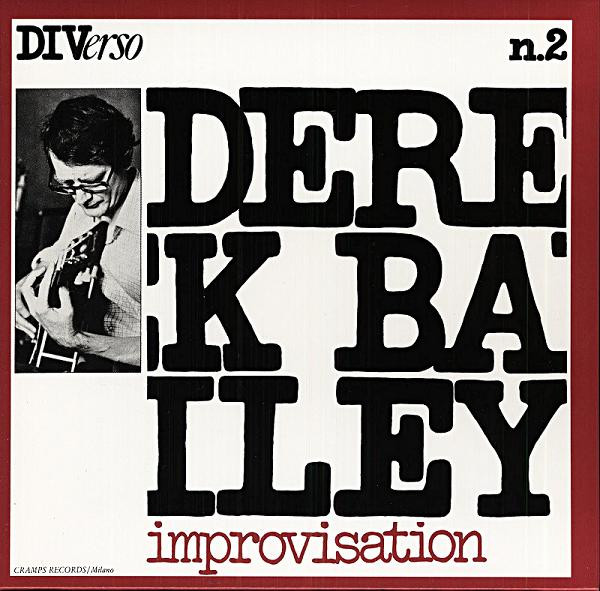 90substance
Derek Bailey · 1975 · Cramps Records · Italy
Styles: Free Improvisation
Bailey makes the guitar sound newly invented, building a rigorous, intimate world from brittle attacks and silences.
Pressings on Discogs(opens in a new tab)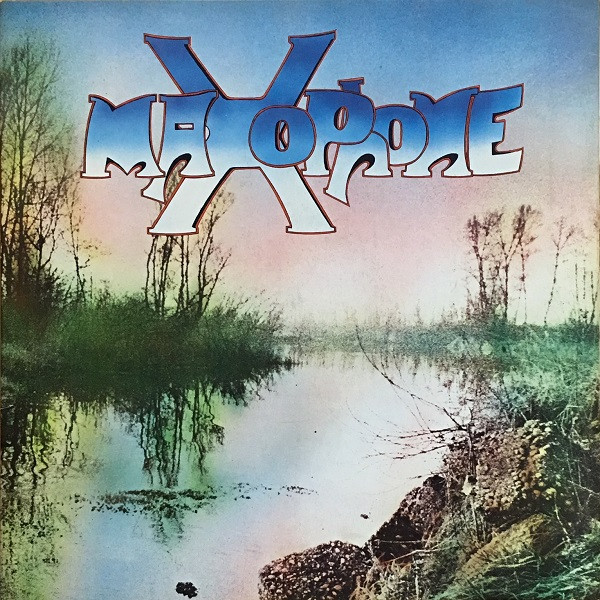 84substance
Maxophone · 1975 · Produttori Associati · Italy
Styles: Prog Rock / Symphonic Rock
The brass, woodwinds and keyboards weave together with surprising restraint, especially across the album’s long closing movement.
Pressings on Discogs(opens in a new tab) 85substance
Goblin · 1975 · Cinevox Record · Italy
Styles: Soundtrack / Theme / Prog Rock
Goblin’s recurring keyboard figure is both catchy and unnerving, with the band’s abrupt turns keeping the suspense alive between its returns.
Pressings on Discogs(opens in a new tab)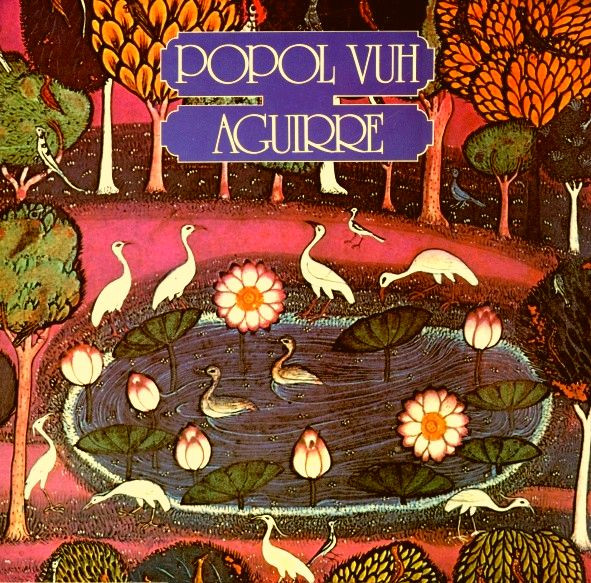 92substance
Popol Vuh · 1976 · PDU · Italy
Styles: Krautrock / Ambient / Prog Rock / Soundtrack
A wavering choir and drifting electronic tones turn the jungle into a spiritual and psychological wilderness.
Pressings on Discogs(opens in a new tab)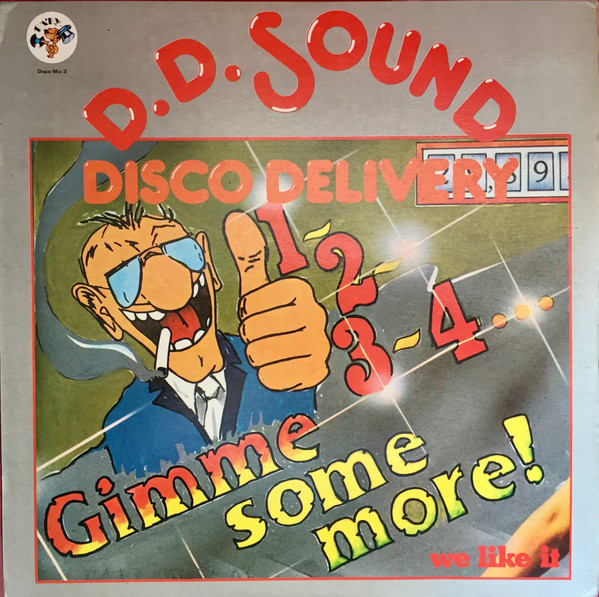 77substance
D.D. Sound · 1977 · Baby Records · Italy
Styles: Disco
The taut bass and clipped guitar on “Disco Bass” give this Italian studio project a distinctive, wonderfully physical pulse.
Pressings on Discogs(opens in a new tab)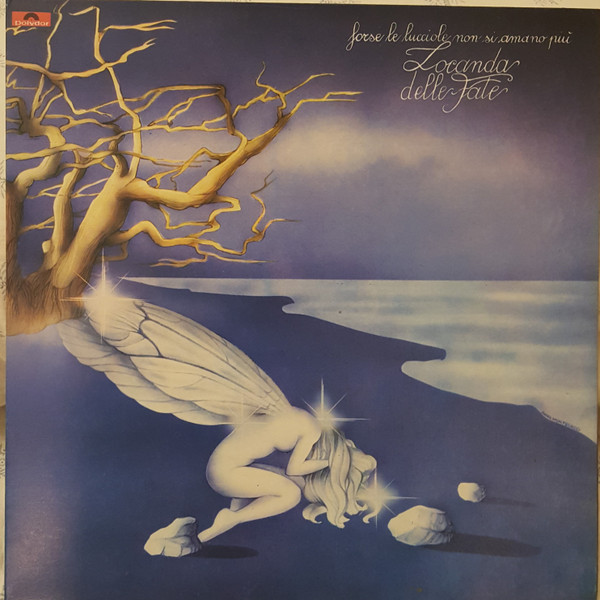 84substance
Locanda Delle Fate · 1977 · Polydor · Italy
Styles: Prog Rock / Symphonic Rock
The elaborate keyboard and guitar lines stay lyrical, with the title track opening into a particularly lovely, shifting landscape.
Pressings on Discogs(opens in a new tab) 86substance
Giuseppe Verdi, Maria Callas, Enzo Mascherini, Gino Penno, Italo Tajo, Victor De Sabata · 1977 · Cetra · Italy
Styles: Opera
Verdi’s dark choruses and Lady Macbeth’s brittle vocal writing make this tragedy feel feverish from its first pages.
Pressings on Discogs(opens in a new tab) 88substance
Goblin · 1977 · Cinevox Record · Italy
Styles: Soundtrack / Prog Rock / Experimental
The pounding rhythms, whispered voices and nursery-rhyme hooks make this score feel like a nightmare with its own disturbing logic.
Pressings on Discogs(opens in a new tab)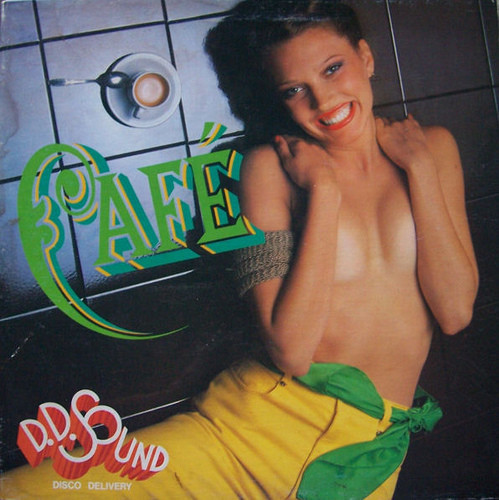 77substance
D.D. Sound · 1978 · Baby Records · Italy
Styles: Disco
Its playful, sharply arranged European disco has more going on than the breezy surface first suggests.
Pressings on Discogs(opens in a new tab)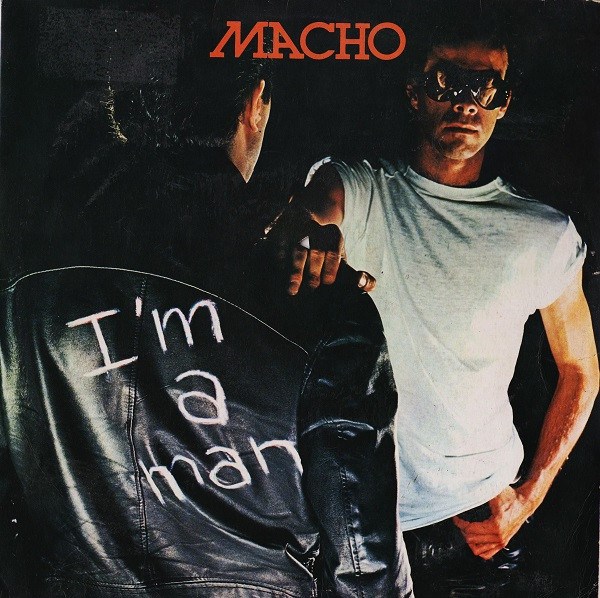 79substance
Macho · 1978 · Goody Music Records · Italy
Styles: Disco
The long, muscular title track reshapes a familiar song into a hypnotic, percussion-heavy club epic.
Pressings on Discogs(opens in a new tab)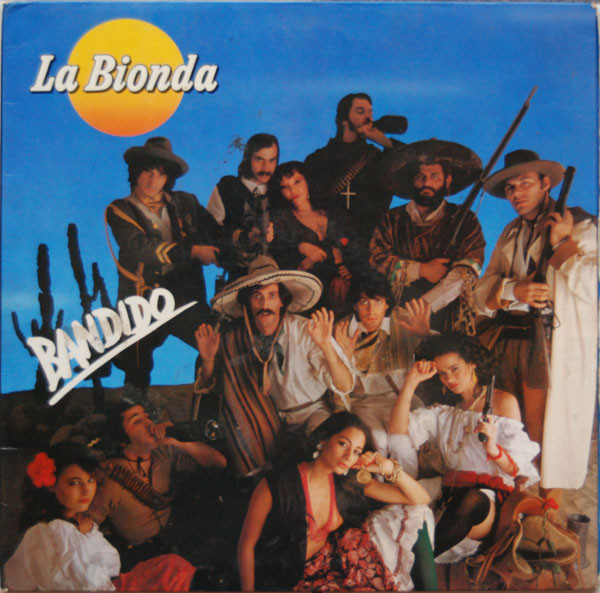 81substance
La Bionda · 1979 · Baby Records · Italy
Styles: Disco
The Italian duo balance bright, propulsive dance tracks with enough texture and melodic character to reward a full-side listen.
Pressings on Discogs(opens in a new tab)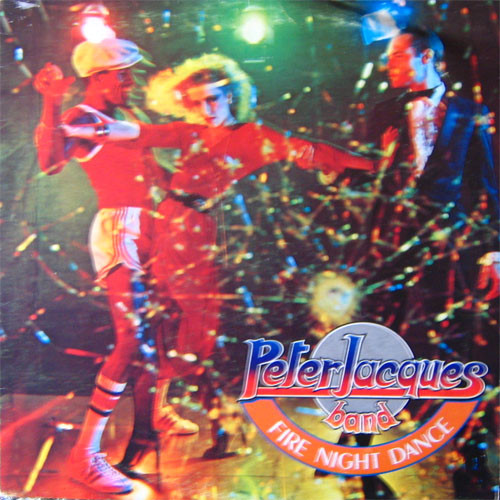 78substance
Peter Jacques Band · 1979 · Goody Music Records · Italy
Styles: Disco
The record’s bright, muscular arrangements make its extended dance grooves feel made for a full side of vinyl.
Pressings on Discogs(opens in a new tab)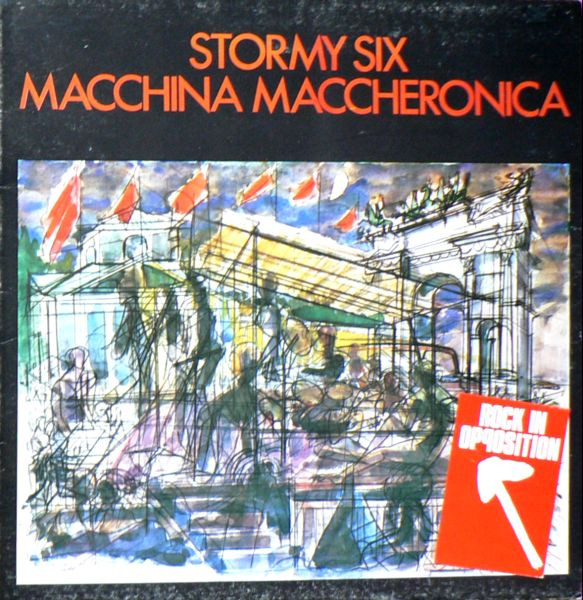 86substance
Stormy Six · 1980 · L'Orchestra · Italy
Styles: Art Rock / Avantgarde
The shifting ensemble arrangements turn political songs into something restless and theatrical, without smoothing away their bite.
Pressings on Discogs(opens in a new tab) 88substance
W.A. Mozart - Fricsay, Chor Der Wiener Staatsoper / Wiener Philharmoniker · 1981 · Melodram · Italy
Styles: Opera
Its turbulent orchestral writing and uneasy emotional shifts make this a bracing bridge between Baroque ceremony and modern drama.
Pressings on Discogs(opens in a new tab) 87substance
M.B. · 1981 · Not On Label (Maurizio Bianchi Self-released) · Italy
Styles: Industrial
Massimo Magrini builds a vivid, unnerving world from tape, noise and dissonance, rewarding listeners who stay inside its uneasy textures.
Pressings on Discogs(opens in a new tab) 78substance
Klein & M.B.O. · 1982 · Zanza Records · Italy
Styles: Italo-Disco / Electro
The minimalist pulse and teasing vocal fragments make its small number of ideas feel surprisingly open-ended.
Pressings on Discogs(opens in a new tab) 84substance
Kano · 1983 · Full Time Records · Italy
Styles: Italo-Disco
The title track stretches its space-age pulse into a vivid, melancholy journey, with the whole record balancing dancefloor drive and real atmosphere.
Pressings on Discogs(opens in a new tab)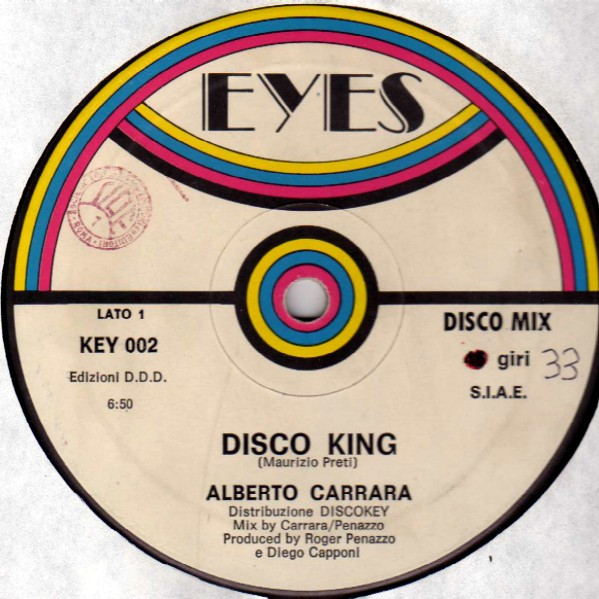 75substance
Alberto Carrara · 1983 · Eyes · Italy
Styles: Italo-Disco
The album’s energetic electronic disco has a rawer, more exploratory feel than later, more streamlined Italo productions.
Pressings on Discogs(opens in a new tab)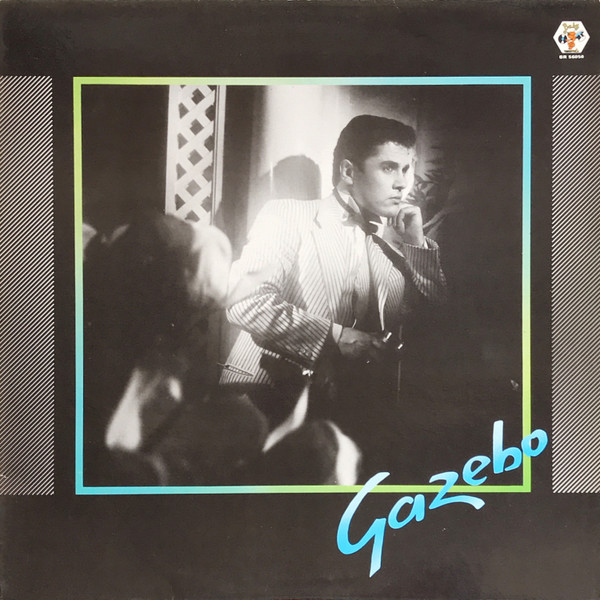 77substance
Gazebo · 1983 · Baby Records · Italy
Styles: Italo-Disco / Synth-pop
“I Like Chopin” lets its piano motif unfold with unusual patience, while the album’s cool, nocturnal mood gives the pop polish some depth.
Pressings on Discogs(opens in a new tab)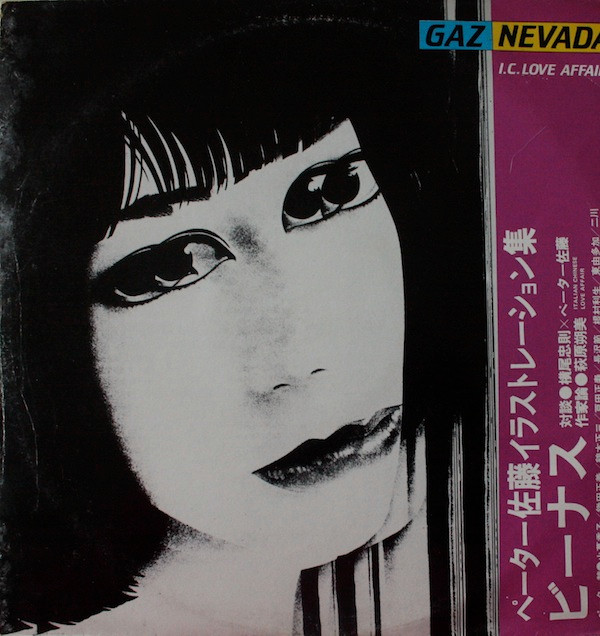 80substance
Gaznevada · 1983 · Italian Records · Italy
Styles: Italo-Disco
The band folds post-punk attitude into its electronic dance music, making the grooves feel lean, nervy and joyfully unpredictable.
Pressings on Discogs(opens in a new tab) 77substance
Styles: Synth-pop / Disco
The exuberant surfaces conceal a knack for odd turns and infectious arrangements; “Vamos a la Playa” is only the most immediate entry point.
Pressings on Discogs(opens in a new tab)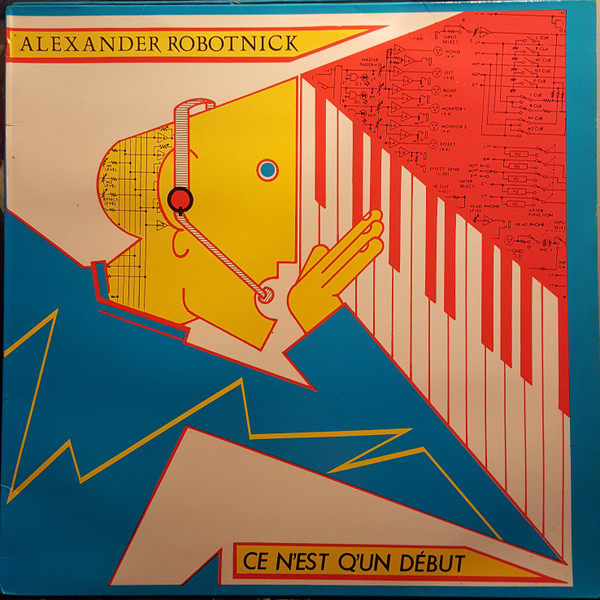 83substance
Alexander Robotnick · 1984 · Materiali Sonori · Italy
Styles: Electro / Italo-Disco
“Problemes D'Amour” is the calling card, but the album’s stranger, tightly sequenced synth experiments are where its clubwise wit really opens up.
Pressings on Discogs(opens in a new tab)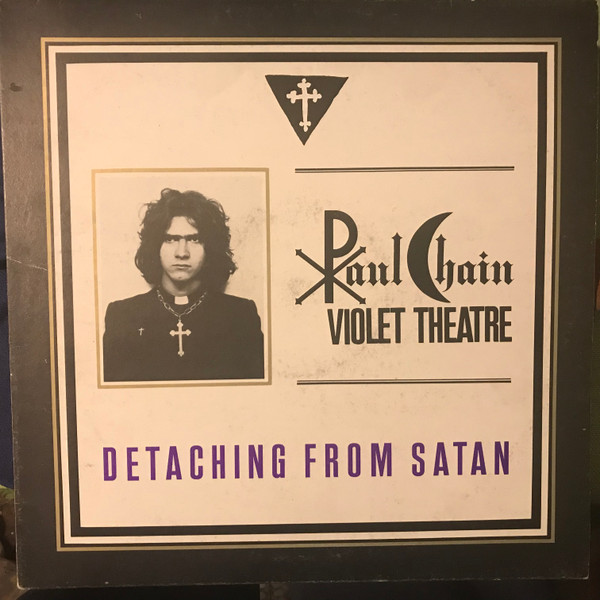 82substance
Paul Chain Violet Theatre · 1984 · Minotauro · Italy
Styles: Doom Metal / Experimental
The eerie organ and strange, spectral guitar tones give this Italian record a haunted character far removed from straightforward riff worship.
Pressings on Discogs(opens in a new tab)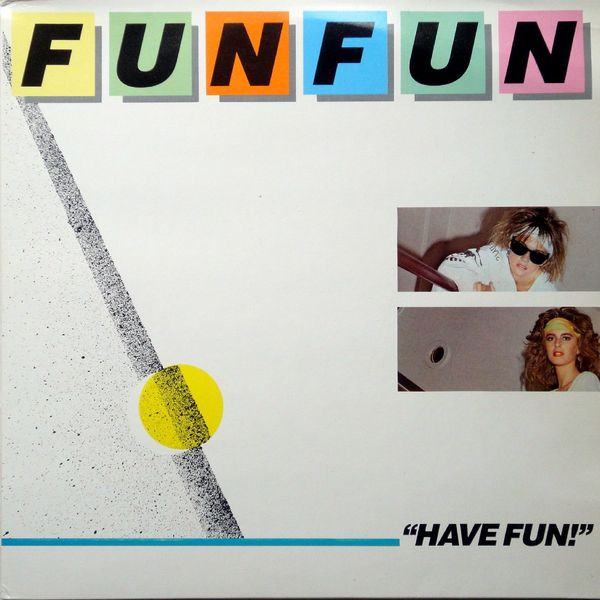 76substance
Fun Fun · 1984 · X-Energy Records · Italy
Styles: Italo-Disco
The buoyant melodies are matched by nimble electronic arrangements, giving the album more personality than its glossy dance-pop first suggests.
Pressings on Discogs(opens in a new tab) 75substance
Miko Mission · 1984 · Blow Up Disco · Italy
Styles: Italo-Disco
The dramatic vocal and insistent synth arrangements give its polished dance sound an emotional urgency that holds together across the album.
Pressings on Discogs(opens in a new tab)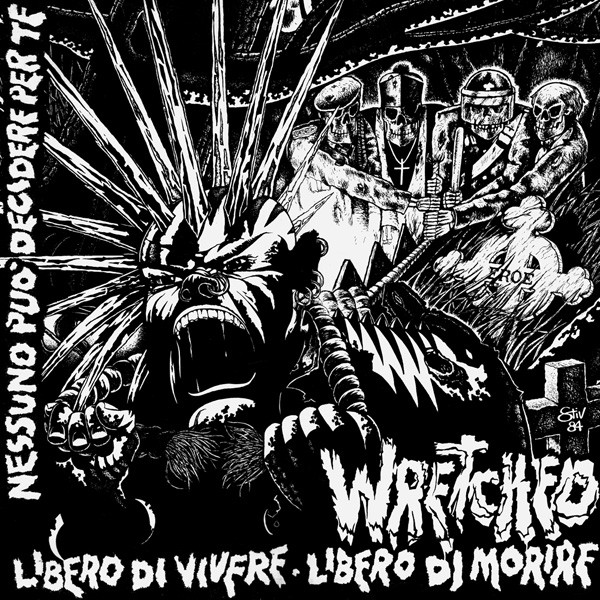 80substance
Wretched · 1984 · Chaos Produzioni · Italy
Styles: Hardcore / Punk
The rough, relentless attack carries a real sense of unease, while the Italian vocals make the record feel rooted in its own scene.
Pressings on Discogs(opens in a new tab) 77substance
Ryan Paris · 1984 · RCA · Italy
Styles: Italo-Disco
“Dolce Vita” is the obvious entry point, but the album’s airy arrangements and gently offbeat charm make the slower moments worth staying for.
Pressings on Discogs(opens in a new tab) 75substance
P. Lion · 1984 · Discomagic Records · Italy
Styles: Italo-Disco
The album balances the era’s bright melodies with a distinctive, slightly wistful electronic atmosphere.
Pressings on Discogs(opens in a new tab) 82substance
The Smiths · 1984 · Rough Trade · Italy
Styles: Indie Rock
Marr’s bright, restless guitar lines and Morrissey’s theatrical turns make even the quieter songs feel gloriously off-kilter.
Pressings on Discogs(opens in a new tab) 76substance
Miko Mission · 1984 · Blow Up Disco · Italy
Styles: Italo-Disco
The dramatic synth lines and cool vocal delivery make this a more atmospheric, carefully paced listen than its dancefloor reputation suggests.
Pressings on Discogs(opens in a new tab)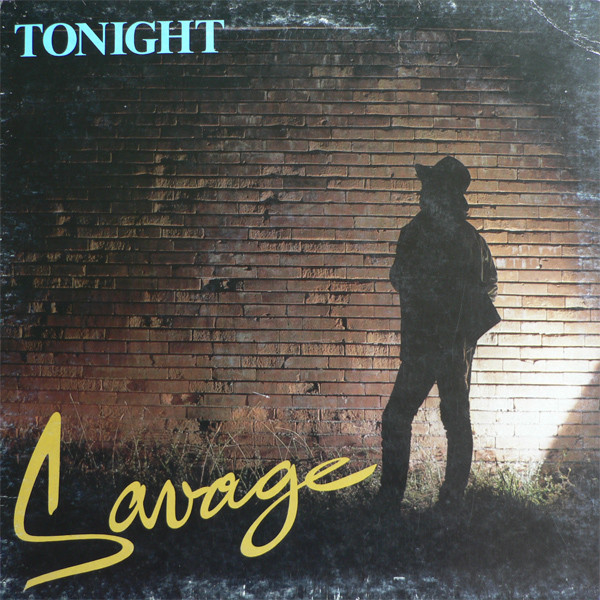 76substance
Savage · 1984 · Discomagic Records · Italy
Styles: Italo-Disco
The restrained vocal delivery and shadowy synth textures give these songs a lonely, late-night pull beneath their dancefloor framework.
Pressings on Discogs(opens in a new tab)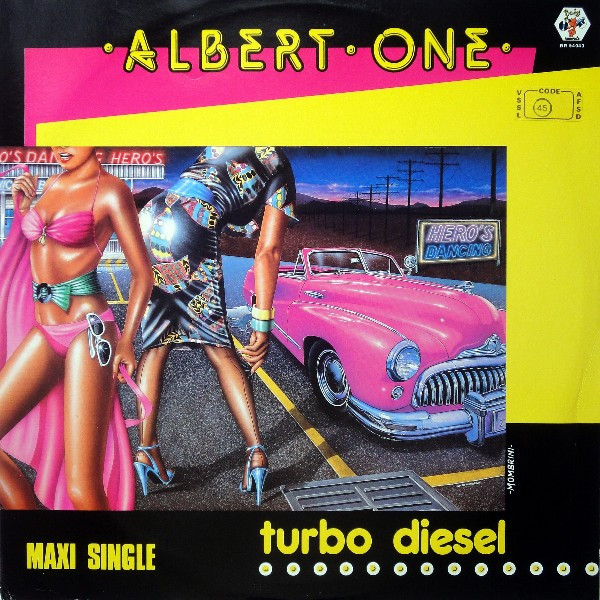 77substance
Albert One · 1984 · Baby Records · Italy
Styles: Italo-Disco
The machine-like pulse and slightly uncanny melodies make this a distinctive listen, with its best moments feeling more like a late-night drive than a pop showcase.
Pressings on Discogs(opens in a new tab) 78substance
Raw Power · 1984 · Meccano Records · Italy
Styles: Hardcore / Punk
A raw Italian hardcore attack, but the tight pacing and sharply shaped songs make the fury more than a blur.
Pressings on Discogs(opens in a new tab)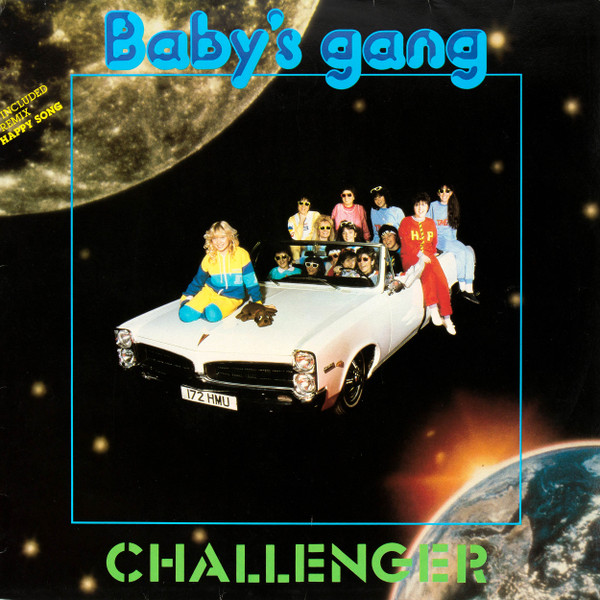 76substance
Baby's Gang · 1985 · Memory Records · Italy
Styles: Italo-Disco
“Challenger” turns youthful voices and bright electronic hooks into something oddly futuristic, with a playful energy that still feels distinctive.
Pressings on Discogs(opens in a new tab) 76substance
Scotch · 1985 · Many Records · Italy
Styles: Italo-Disco
Its sharply defined electronic patterns and unexpected turns make this a more inventive, album-minded listen than the huge hooks imply.
Pressings on Discogs(opens in a new tab) 80substance
Styles: Italo-Disco
“Faces” pairs an insistent machine pulse with a wistful, human vocal, and the album keeps that tension alive rather than simply chasing a hook.
Pressings on Discogs(opens in a new tab) 75substance
Baltimora · 1985 · EMI · Italy
Styles: Italo-Disco
“Tarzan Boy” is impossible to miss, yet the album’s wiry rhythms and theatrical vocal character make its eccentricity part of the fun.
Pressings on Discogs(opens in a new tab) 85substance
Indigesti · 1985 · TVOR On Vinyl · Italy
Styles: Hardcore / Punk
The tightly wound Italian attack keeps finding new angles, turning speed and abrasion into a tense, coherent whole.
Pressings on Discogs(opens in a new tab)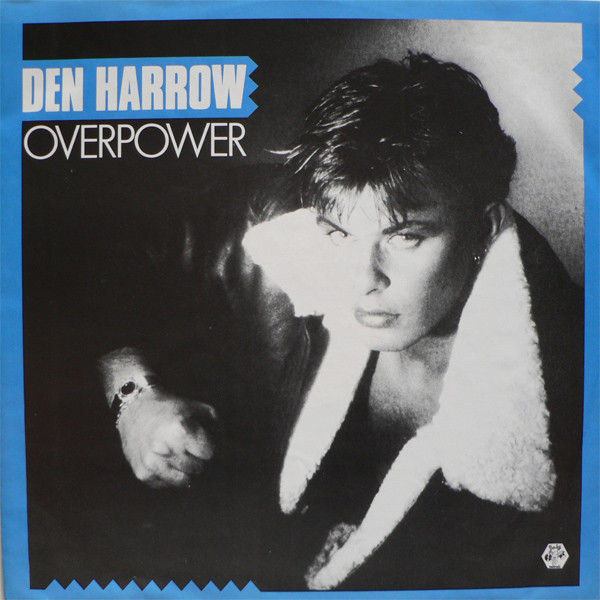 75substance
Den Harrow · 1985 · Baby Records · Italy
Styles: Italo-Disco
Its sleek, shadowy production and persistent melodic tension give the album a more focused mood than a collection of singles.
Pressings on Discogs(opens in a new tab)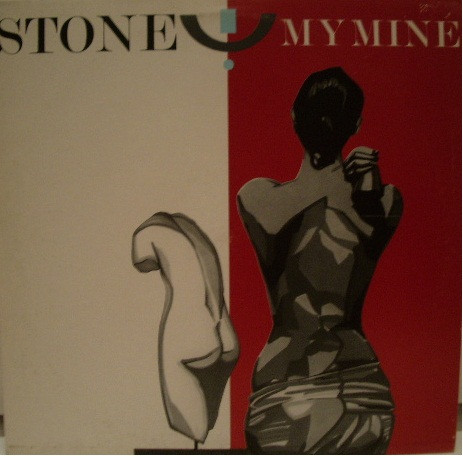 78substance
My Mine · 1985 · My Record · Italy
Styles: Italo-Disco / Synth-pop / New Wave
Cool, spacious synth-pop and carefully shaped melodies give this record a nocturnal mood that rewards a full side at a time.
Pressings on Discogs(opens in a new tab) 75substance
Fred Ventura · 1985 · Gong Records · Italy
Styles: Italo-Disco
The combination of a cool vocal, firm electronic pulse and lingering melody makes this a compelling snapshot of Italo’s more reflective side.
Pressings on Discogs(opens in a new tab)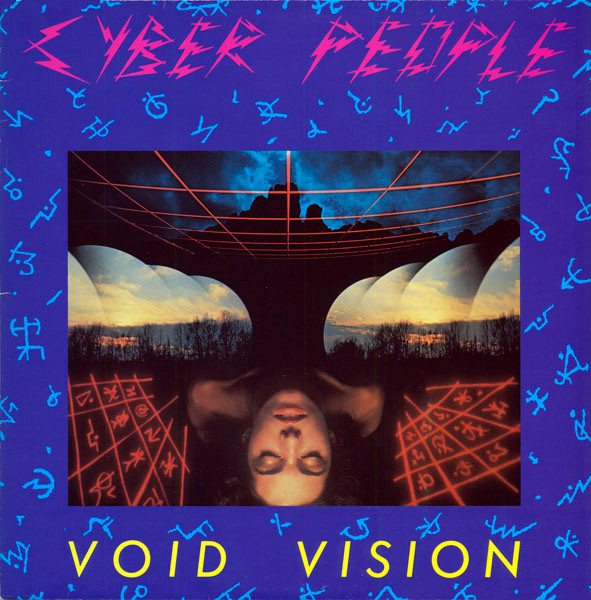 76substance
Cyber People · 1985 · Memory Records · Italy
Styles: Italo-Disco
The album leans into eerie, spacious synth work, turning Italo-Disco’s futuristic side into something genuinely atmospheric.
Pressings on Discogs(opens in a new tab) 75substance
Savage · 1986 · Emergent · Italy
Styles: Italo-Disco
The cool vocal presence and measured synth arrangements give the record a unified, wistful mood that comes through across the whole side.
Pressings on Discogs(opens in a new tab)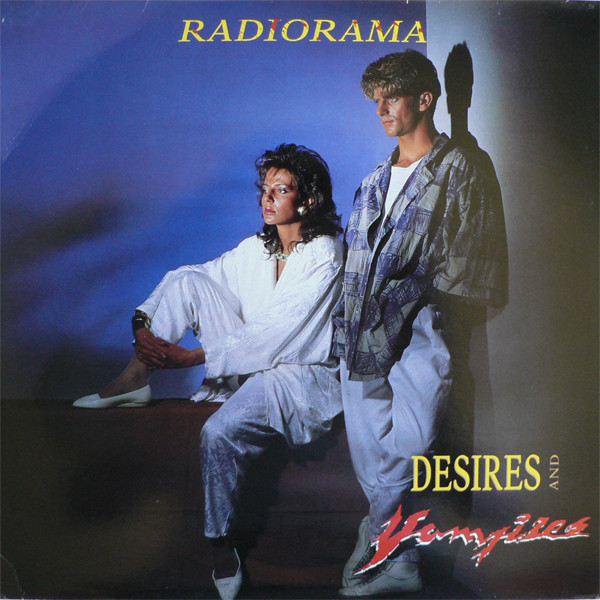 76substance
Radiorama · 1986 · Out · Italy
Styles: Italo-Disco
Its melodrama is part of the design: chilly synths, theatrical vocals and recurring motifs make the album’s nocturnal mood cohere.
Pressings on Discogs(opens in a new tab)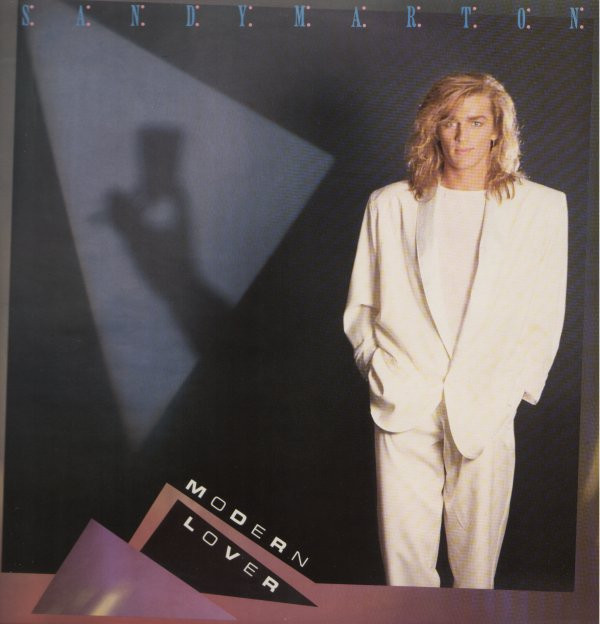 76substance
Sandy Marton · 1986 · CBS · Italy
Styles: Italo-Disco
The album’s airy, slightly melancholic synth-pop gives its dance pulse a softer edge, especially when the arrangements open up around the vocals.
Pressings on Discogs(opens in a new tab) 79substance
Valerie Dore · 1986 · EMI · Italy
Styles: Italo-Disco
“The Night” moves with a shadowy, patient elegance, and the album’s polished synth atmosphere feels deliberately dreamlike rather than disposable.
Pressings on Discogs(opens in a new tab) 88substance
Gigi Masin · 1986 · The Bear On The Moon Records · Italy
Styles: Ambient / Modern Classical / New Age
Soft piano, hazy synths and finely detailed percussion make these drifting pieces feel intimate without ever becoming slight.
Pressings on Discogs(opens in a new tab) 75substance
Fun Fun · 1987 · X-Energy Records · Italy
Styles: Italo-Disco
A brighter, more polished follow-up, it still has enough playful arrangement and melodic detail to make a full-album listen worthwhile.
Pressings on Discogs(opens in a new tab)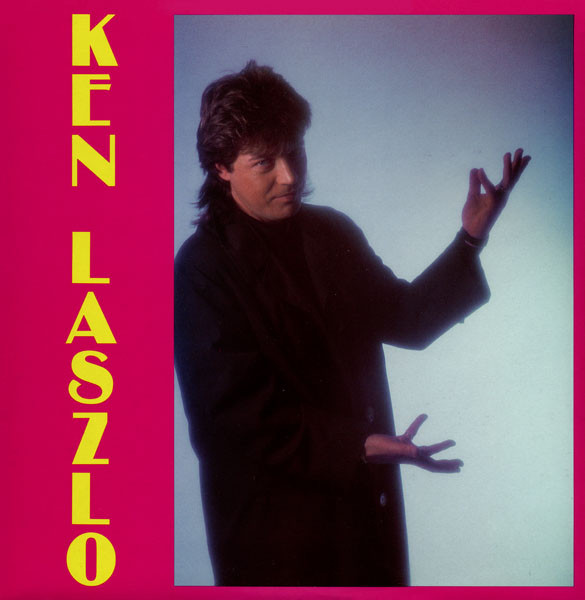 75substance
Ken Laszlo · 1987 · Memory Records · Italy
Styles: Italo-Disco
The contrasting moods and bright, carefully shaped synth melodies give this self-titled album a strong identity beyond its singles.
Pressings on Discogs(opens in a new tab)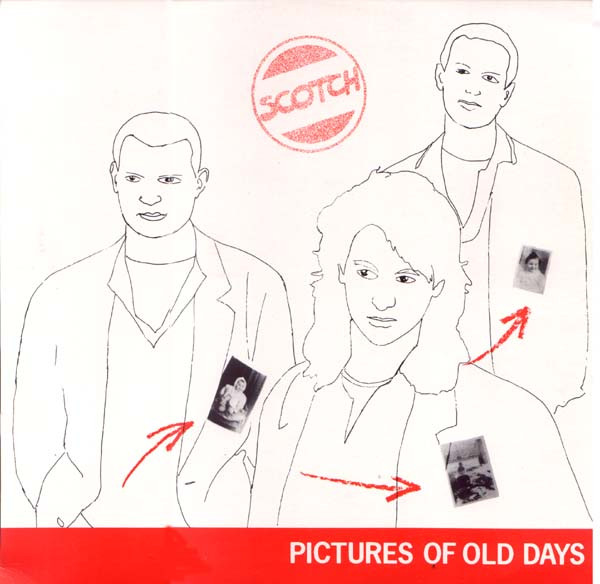 76substance
Scotch · 1987 · Many Records · Italy
Styles: Italo-Disco / Synth-pop
The record leans into dramatic synth textures and shifting moods, giving its dancefloor energy a more reflective, late-night character.
Pressings on Discogs(opens in a new tab)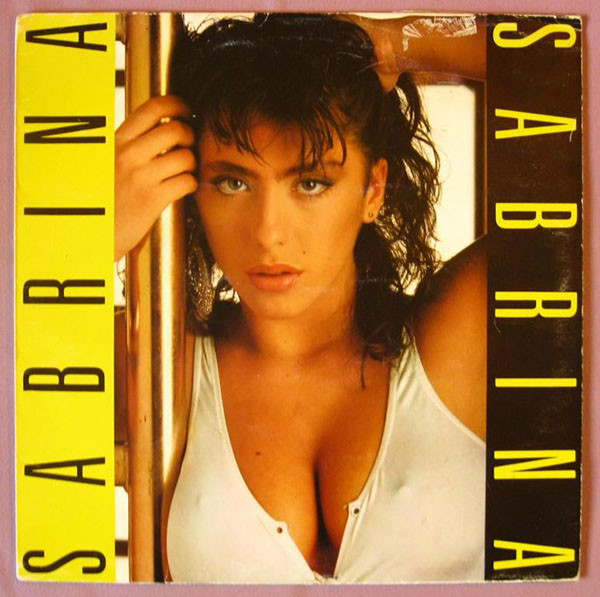 75substance
Styles: Italo-Disco / Synth-pop / Disco
The bright, tightly programmed sound has real momentum, and the album’s best arrangements add character beyond the obvious pop appeal.
Pressings on Discogs(opens in a new tab) 76substance
Radiorama · 1987 · Radiorama Productions · Italy
Styles: Italo-Disco
Big choruses sit alongside detailed, slightly eerie synth work, giving the record a cohesive late-night atmosphere.
Pressings on Discogs(opens in a new tab) 77substance
Koto · 1988 · Memory Records · Italy
Styles: Italo-Disco
The album’s precise electronic rhythms and sweeping melodic themes make its futuristic world feel unusually complete.
Pressings on Discogs(opens in a new tab) 82substance
Kirlian Camera · 1988 · Rose Rosse Records · Italy
Styles: Electro / Experimental / Darkwave
The album moves between cold electronic pulse and haunted melody, with “Helden Platz” opening up into an especially unsettling space.
Pressings on Discogs(opens in a new tab) 80substance
Bulldozer · 1988 · Metalmaster · Italy
Styles: Thrash / Black Metal / Heavy Metal
The Italian band’s theatrical menace and abrupt shifts give this record a distinctly unruly character beneath its relentless attack.
Pressings on Discogs(opens in a new tab) 87substance
Händel - Martine Dupuis • Patrizia Orciani • Raquel Pierotti • Josella Ligi • Susanna Anslemi • Orchestra Pro Arte Bassano • Marcello Panni · 1990 · NUOVA ERA · Italy
Styles: Baroque / Opera
Christie lets the recitatives breathe and the da capo arias keep changing shape; Cleopatra’s music turns virtuosity into character.
Pressings on Discogs(opens in a new tab) 83substance
Alio Die · 1992 · Hic Sunt Leones · Italy
Styles: Ambient / Drone / Electroacoustic / Tribal
Organic drones and delicate acoustic traces give these pieces a ritual calm that feels discovered rather than arranged for effect.
Pressings on Discogs(opens in a new tab) 84substance
Sadist · 1993 · Nosferatu Records · Italy
Styles: Avantgarde / Death Metal
Its piano, keyboards, and nimble guitar work open up unusual space inside death metal, especially in the shifting “Breathin’ Cancer.”
Pressings on Discogs(opens in a new tab) 79substance
Dive · 1993 · Minus Habens Records · Italy
Styles: EBM / Industrial
Its bleak, abrasive repetition turns the club pulse into something oppressive and absorbing, especially over a full side.
Pressings on Discogs(opens in a new tab) 80substance
Opera IX · 1994 · Miscarriage Records · Italy
Styles: Black Metal / Doom Metal
Its extended compositions take time to unfold, letting keyboards, voice, and guitar create a woodland gloom that rewards settling in for the whole side.
Pressings on Discogs(opens in a new tab) 87substance
Paul Chain · 1995 · Godhead · Italy
Styles: Stoner Rock / Doom Metal
The organ, guitar and voice on “Possession” drift between solemn doom and disquieting psychedelia, never settling into the expected riff cycle.
Pressings on Discogs(opens in a new tab) 80substance
Novembers Doom · 1995 · Regress Records · Italy
Styles: Doom Metal / Death Metal
It moves between death-metal force and mournful melody with a rough, personal edge that keeps the songs from feeling ornamental.
Pressings on Discogs(opens in a new tab) 85substance
Katatonia · 1996 · Avantgarde Music · Italy
Styles: Black Metal / Doom Metal / Gothic Metal
The stark repetition and sudden shifts from rasp to clean vocal make its desolation feel intimate, not merely crushing.
Pressings on Discogs(opens in a new tab) 77substance
Robert Miles · 1996 · DBX Records · Italy
Styles: Progressive House / Downtempo / Progressive Trance / Trance
Beyond the familiar piano theme, the album’s quieter stretches and carefully layered electronic textures make it worth hearing as a whole.
Pressings on Discogs(opens in a new tab)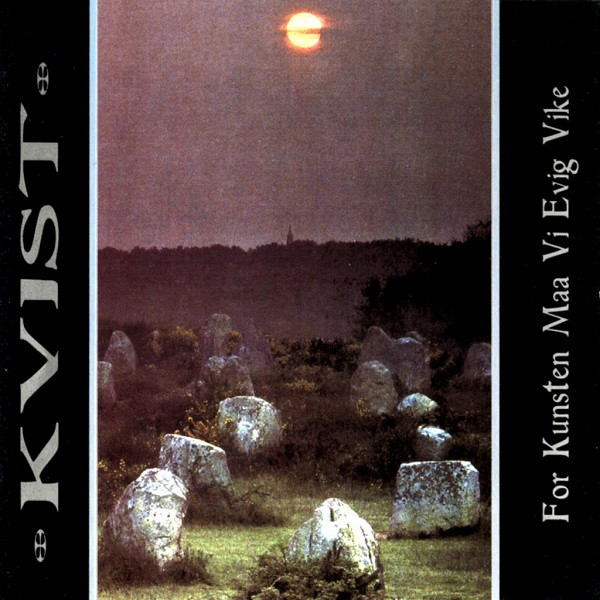 86substance
Kvist · 1996 · Avantgarde Music · Italy
Styles: Black Metal
Its cold, rushing guitars and sudden melodic turns make the Norwegian second-wave sound feel both feral and unusually composed.
Pressings on Discogs(opens in a new tab) 81substance
Solefald · 1997 · Avantgarde Music · Italy
Styles: Black Metal / Avantgarde
The abrupt shifts and unusual textures make its adventurous ideas feel playful and alive rather than calculated.
Pressings on Discogs(opens in a new tab)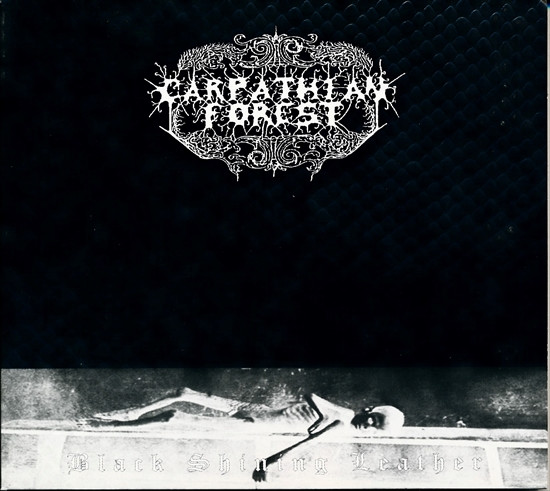 79substance
Carpathian Forest · 1998 · Avantgarde Music · Italy
Styles: Black Metal
The dirty rock-and-roll pulse gives its spiteful, grim songs a swagger that sets them apart from more solemn black metal.
Pressings on Discogs(opens in a new tab) 87substance
Girolamo Frescobaldi - Sergio Vartolo · 1998 · Tactus · Italy
Styles: Renaissance / Baroque
The keyboard pieces wander through unexpected pauses and harmonic shadows, as if each improvisatory turn were being discovered in the moment.
Pressings on Discogs(opens in a new tab)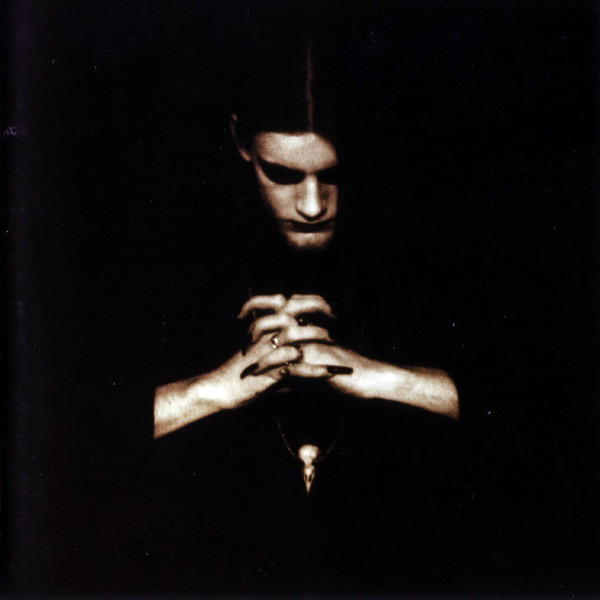 85substance
Taake · 1999 · Wounded Love Records · Italy
Styles: Black Metal
Across its long-form songs, icy riffs and sparse folk touches build a stark landscape that rewards hearing the whole side at once.
Pressings on Discogs(opens in a new tab) 80substance
The Dining Rooms · 1999 · Milano 2000 · Italy
Styles: Downtempo / Trip Hop / Ambient
Moody Italian cinematic textures meet patient beats, making the record feel like a nocturnal film that never needs a plot.
Pressings on Discogs(opens in a new tab)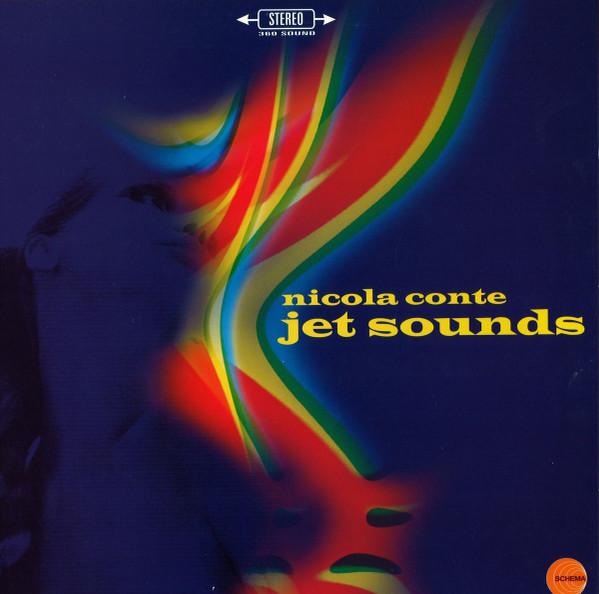 78substance
Nicola Conte · 2000 · Schema · Italy
Styles: Acid Jazz / Future Jazz
“Bossa per due” brings a live, lightly swinging touch to the electronic palette, with arrangements that feel more curious than polished.
Pressings on Discogs(opens in a new tab) 85substance
While Heaven Wept · 2003 · Eibon Records · Italy
Styles: Doom Metal
Layered guitars and dramatic vocal shifts give its epic doom songs a sweeping, wounded grandeur that holds together across the album.
Pressings on Discogs(opens in a new tab)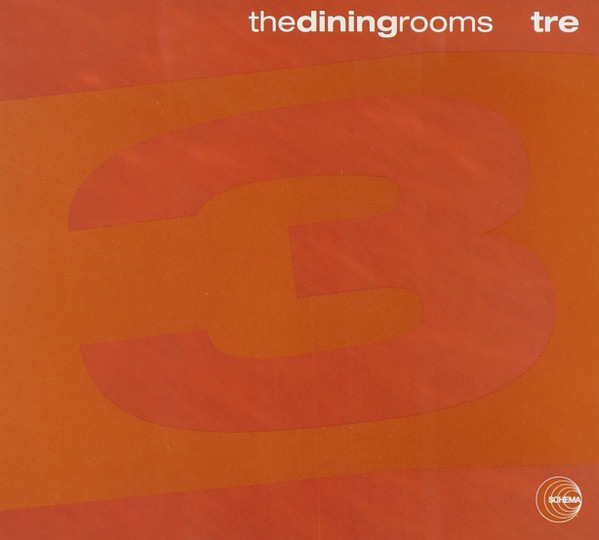 79substance
The Dining Rooms · 2003 · Schema · Italy
Styles: Future Jazz / Downtempo
Its cinematic, unhurried tracks move between brushed jazz textures and electronic haze, like scenes from a film you get to imagine yourself.
Pressings on Discogs(opens in a new tab) 82substance
Lunar Aurora · 2004 · The Oath · Italy
Styles: Black Metal
Its cold, enveloping keyboards and flowing guitar work make the atmosphere feel integral to the music, not just decoration.
Pressings on Discogs(opens in a new tab) 83substance
La Quiete · 2004 · Heroine Records · Italy
Styles: Emo / Hardcore
Its fractured rhythms and sudden melodic openings make the intensity feel searching, not simply aggressive.
Pressings on Discogs(opens in a new tab) 81substance
Styles: Broken Beat / Future Jazz
The rhythms stay supple and unpredictable, balancing hazy atmosphere with the sort of low-end detail that comes alive on vinyl.
Pressings on Discogs(opens in a new tab) 89substance
Negură Bunget · 2006 · Code666 · Italy
Styles: Dark Ambient / Black Metal / Experimental / Avantgarde
Wooden percussion, folk instruments, and patient black-metal passages build a distinctive, immersive sense of place.
Pressings on Discogs(opens in a new tab) 84substance
Aidan Baker · 2006 · A Silent Place · Italy
Styles: Art Rock / Experimental / Ambient / Drone
Long guitar tones ebb and gather like weather, rewarding attention to their gradual changes in density.
Pressings on Discogs(opens in a new tab) 77substance
Black Rainbows · 2010 · Longfellow Deeds Records · Italy
Styles: Alternative Rock / Stoner Rock / Psychedelic Rock
Fuzz and space-rock textures collide in a raw Italian take on the sound, especially on the spiraling “The Hunter.”
Pressings on Discogs(opens in a new tab) 83substance
Ufomammut · 2010 · Supernatural Cat · Italy
Styles: Space Rock / Doom Metal
Its recurring motifs gradually mutate into a massive, disorienting whole; play it straight through to catch how the transitions do the work.
Pressings on Discogs(opens in a new tab)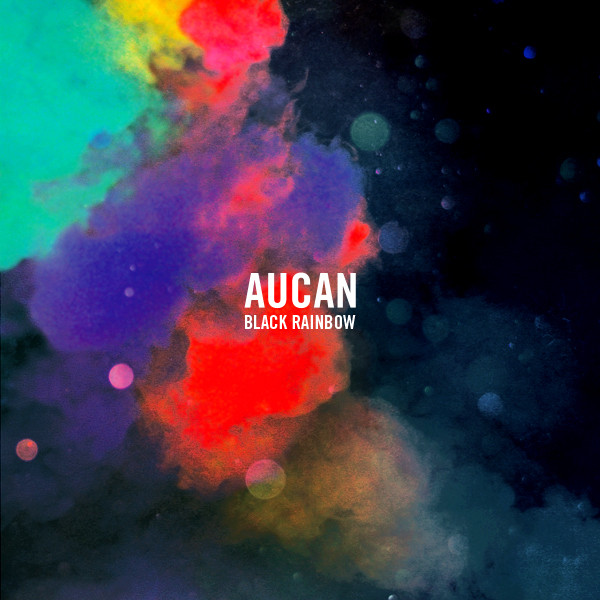 80substance
Aucan · 2011 · La Tempesta International · Italy
Styles: Math Rock / Dub / Electro / Experimental
It folds muscular, off-kilter guitar work into electronics and noise, giving its rhythmic twists an unusually physical atmosphere.
Pressings on Discogs(opens in a new tab) 76substance
Black Rainbows · 2015 · Heavy Psych Sounds · Italy
Styles: Stoner Rock / Psychedelic Rock
The record balances thick, fuzz-driven riffs with expansive psych passages, keeping its muscular sound from settling into a predictable rut.
Pressings on Discogs(opens in a new tab)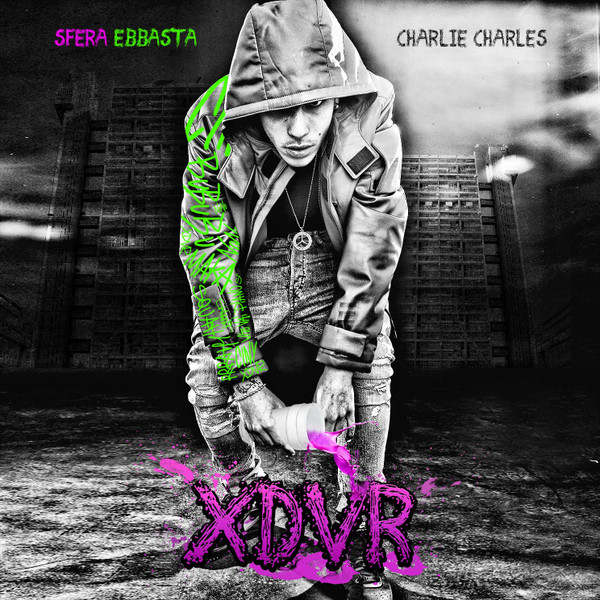 76substance
Sfera Ebbasta & Charlie Charles · 2015 · Not On Label · Italy
Styles: Trap
Its sleek Milanese trap sound has a cold nocturnal pull, with Sfera’s melodic phrasing giving the hard beats an unexpected softness.
Pressings on Discogs(opens in a new tab) 78substance
Duel · 2016 · Heavy Psych Sounds · Italy
Styles: Stoner Rock / Doom Metal / Hard Rock
Its thick riffs and gritty, road-worn vocals make for a direct listen with enough turns in the arrangements to keep it alive.
Pressings on Discogs(opens in a new tab) 79substance
The Agnes Circle · 2016 · Avant! · Italy
Styles: Post-Punk / Darkwave / Coldwave
Its spare, disciplined songs let bass, synth and restrained vocals build tension without leaning on oversized hooks.
Pressings on Discogs(opens in a new tab)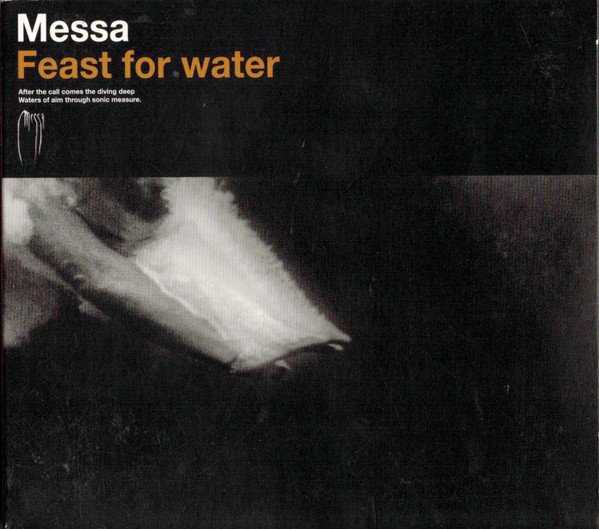 82substance
Messa · 2018 · Aural Music · Italy
Styles: Doom Metal / Drone / Dark Ambient
A saxophone and shifting textures bring surprising color to its doom, while the pacing keeps the album cohesive and quietly intense.
Pressings on Discogs(opens in a new tab)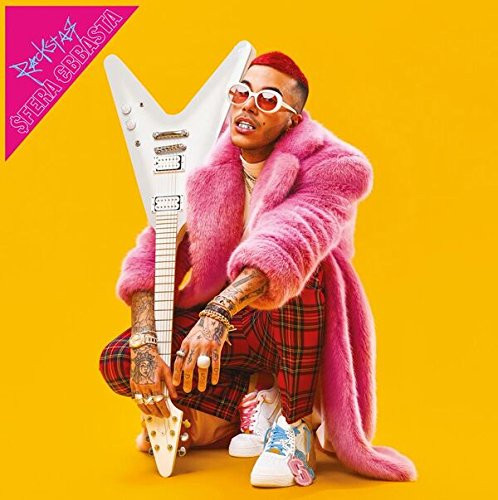 75substance
Sfera Ebbasta · 2018 · Universal Music Group · Italy
Styles: Trap / Pop Rap
Its bright, synthetic Italian trap sound is carefully shaped, and Sfera’s melodic ease gives the record a character beyond its big-budget sheen.
Pressings on Discogs(opens in a new tab)
Cimabue’s Madonna invites a close look at the contrast between the solemn, iconic figures and the throne’s suggestion of depth.
Look closer on WikiArt(opens in a new tab)
Look at the body’s sweeping line against the cross, where Cimabue’s painted figure gives a Byzantine form unusual weight and feeling.
Look closer on WikiArt(opens in a new tab)
Look at the Madonna’s solemn gaze and the angels gathered close: Cimabue’s sacred form already feels intensely human.
Look closer on WikiArt(opens in a new tab)
Compare the Madonna’s still, frontal presence with the lively angels around her, where Byzantine form begins to feel more human.
Look closer on WikiArt(opens in a new tab)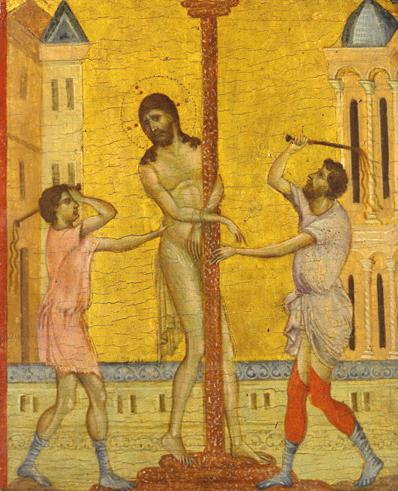
Look for the tension in Christ’s stillness as his captors close around him, rendered in the solemn, gold-lit language of Byzantine painting.
Look closer on WikiArt(opens in a new tab)
Look at Cimabue’s painted Christ, where the cross’s sacred geometry meets the human weight of the body.
Look closer on WikiArt(opens in a new tab)
The view opens onto Cimabue’s frescoes as an ensemble; notice how the transept architecture frames the painted scenes.
Look closer on WikiArt(opens in a new tab)
Look at the tender closeness of mother and child, set within the formal gold-and-blue language of a sacred icon.
Look closer on WikiArt(opens in a new tab)
Follow the gold ground and solemn, frontal figures into the intimate space between mother and child.
Look closer on WikiArt(opens in a new tab)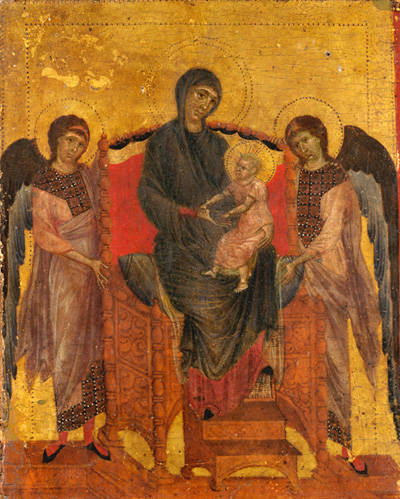
Look for the solemn stillness of the enthroned Virgin and Child, softened by the angels who flank them.
Look closer on WikiArt(opens in a new tab)
Cimabue’s crucifix asks you to look closely at the body on the cross, where Byzantine form begins to feel more human.
Look closer on WikiArt(opens in a new tab)
Cimabue’s enthroned Virgin promises a meeting of Byzantine gold-ground grandeur and newly human tenderness in the surrounding angels.
Look closer on WikiArt(opens in a new tab)
Watch Francis kneel before the pope, as Giotto makes humility and authority meet in a clear, human gesture.
Look closer on WikiArt(opens in a new tab)
The title promises a dreamlike palace vision; look for how Giotto’s early style makes the imagined scene feel tangible.
Look closer on WikiArt(opens in a new tab)
Follow Christ’s upward movement and the disciples’ answering gazes; Giotto makes the sacred event feel physically present.
Look closer on WikiArt(opens in a new tab)
Look for how Giotto joins Francis’s death to his ascent, turning grief into a scene of spiritual release.
Look closer on WikiArt(opens in a new tab).jpg!Large.jpg)
Look at how the gold-ground panels gather around the Madonna, turning the altarpiece into a carefully ordered world of saints and angels.
Look closer on WikiArt(opens in a new tab)
Watch Christ’s stillness meet Caiaphas’s forceful gesture in Giotto’s tightly staged scene of accusation.
Look closer on WikiArt(opens in a new tab)
Watch Giotto make the humble act of washing feet feel monumental through the disciples’ varied gestures and attention.
Look closer on WikiArt(opens in a new tab)
Find the tiny figures gathered around the newborn Christ, and notice how Giotto makes the encounter feel tender and immediate.
Look closer on WikiArt(opens in a new tab)
Look for Giotto’s clear, human gestures as the sacred story unfolds around Saint Anne.
Look closer on WikiArt(opens in a new tab)
Look for the angel’s announcing gesture and Giotto’s clear, human scale in this scene of divine news.
Look closer on WikiArt(opens in a new tab)
Find the moment Mary receives the message: Giotto makes the sacred event feel immediate through simple, human gestures.
Look closer on WikiArt(opens in a new tab)
Watch the young Christ hold his ground among the learned doctors, whose gestures turn the scene into a lively debate.
Look closer on WikiArt(opens in a new tab)
Look for the sudden burst of movement as Christ drives the money-changers from the temple.
Look closer on WikiArt(opens in a new tab)
Follow the gestures and glances that make Giotto’s Flagellation feel like a human confrontation.
Look closer on WikiArt(opens in a new tab)
Follow the Holy Family through the landscape, where Giotto’s solid figures make the journey feel immediate and human.
Look closer on WikiArt(opens in a new tab)
Look for the shepherds’ response to Joachim, as Giotto makes a sacred story feel grounded in ordinary human presence.
Look closer on WikiArt(opens in a new tab)
Notice how Giotto gives Joachim’s sacred offering a grounded, human presence within the chapel scene.
Look closer on WikiArt(opens in a new tab)
Look for the charged exchange as Judas receives his betrayal’s payment, rendered in Giotto’s clear, compact storytelling.
Look closer on WikiArt(opens in a new tab)
Follow the mourners’ sloping line toward Christ: grief seems to ripple through every face and gesture.
Look closer on WikiArt(opens in a new tab)
Look upward across Giotto’s crowded ranks of saved and damned, where individual gestures make the judgment feel immediate.
Look closer on WikiArt(opens in a new tab)
Look at how Giotto separates the apostles into distinct reactions, turning the sacred meal into a scene of human feeling.
Look closer on WikiArt(opens in a new tab)
Look at the stark cross and the sorrowing figures below it, where Giotto gives the sacred event a human weight.
Look closer on WikiArt(opens in a new tab)
Watch how Giotto arranges the diners and gestures around Herod’s feast, making a biblical story feel strikingly human.
Look closer on WikiArt(opens in a new tab)
Look at the starkly silhouetted body of Christ and the mourners gathered beneath the cross.
Look closer on WikiArt(opens in a new tab)
Follow Christ’s descent into the crowded darkness and notice how Giotto gives the sacred event human urgency.
Look closer on WikiArt(opens in a new tab)
Follow the mourners’ gestures around Christ’s body; Giotto gives the sacred scene a strikingly human center.
Look closer on WikiArt(opens in a new tab)
Follow the mourners’ gestures around Christ’s body; Giotto gives the grief a weight and closeness that draw you into the scene.
Look closer on WikiArt(opens in a new tab).jpg!Large.jpg)
Piero della Francesca · 1450 · Italy
Take in the measured geometry and pale landscape, then notice how the stillness makes the moment feel suspended in time.
Look closer on WikiArt(opens in a new tab)
Jacopo Bellini · 1450 · Italy
Notice how the solemn gathering around the Virgin turns her final moments into a carefully observed human scene.
Look closer on WikiArt(opens in a new tab)
Jacopo Bellini · 1450 · Italy
Notice the intimacy of the Madonna and Child, rendered with the clear, measured forms of Bellini’s early Renaissance world.
Look closer on WikiArt(opens in a new tab).jpg!Large.jpg)
Piero della Francesca · 1450 · Italy
Notice the severe geometry of the tiled floor and the quiet figures around Christ, which make the violence feel strangely suspended.
Look closer on WikiArt(opens in a new tab)
Jacopo Bellini · 1450 · Italy
Notice the contrast between the Madonna’s humble pose and the courtly presence of Leonello, brought together in Bellini’s early Renaissance composition.
Look closer on WikiArt(opens in a new tab)
Giovanni Bellini · 1460 · Italy
Meet Bellini’s Christ in the quiet, direct gesture of blessing.
Look closer on WikiArt(opens in a new tab)
Giovanni Bellini · 1460 · Italy
The stillness of Christ’s body against the angels’ tender support makes grief feel quiet and immediate.
Look closer on WikiArt(opens in a new tab)
Antonello da Messina · 1460 · Italy
Look closely at the Madonna’s serene face and the delicate modeling that gives this intimate image its presence.
Look closer on WikiArt(opens in a new tab)
Piero della Francesca · 1460 · Italy
Look at Christ’s still, upright figure against the sleeping guards; the contrast gives the scene its extraordinary calm.
Look closer on WikiArt(opens in a new tab).jpg!Large.jpg)
Piero della Francesca · 1462 · Italy
Notice how the Virgin’s protective mantle gathers the figures beneath it, uniting the polyptych in one sheltering gesture.
Look closer on WikiArt(opens in a new tab)
Giovanni Bellini · 1464 · Italy
Notice the tender closeness of mother and child, framed by Bellini’s calm, carefully balanced composition.
Look closer on WikiArt(opens in a new tab)
Giovanni Bellini · 1464 · Italy
Look at the close, quiet grouping around the infant Christ, and how Bellini gives the sacred encounter the intimacy of a family scene.
Look closer on WikiArt(opens in a new tab)
Jacopo Bellini · 1464 · Italy
The triptych format invites you to compare its panels and follow how Bellini arranges the story around Saint Sebastian.
Look closer on WikiArt(opens in a new tab)
Antonello da Messina · 1465 · Italy
Antonello’s blessing figure asks you to meet his gaze; notice the careful balance between intimate presence and sacred authority.
Look closer on WikiArt(opens in a new tab).jpg!Large.jpg)
Piero della Francesca · 1465 · Italy
Notice how Piero’s sharp profile and still gaze make this portrait feel both intimate and monumental.
Look closer on WikiArt(opens in a new tab)
Piero della Francesca · 1465 · Italy
Notice how Piero’s measured, sculptural figure gives Hercules a calm weight rather than a theatrical flourish.
Look closer on WikiArt(opens in a new tab).jpg!Large.jpg)
Piero della Francesca · 1465 · Italy
Notice the profile’s crisp outline and the finely patterned costume, set against Piero’s serene, distant landscape.
Look closer on WikiArt(opens in a new tab).jpg!Large.jpg)
Piero della Francesca · 1465 · Italy
Compare the sharply profiled faces against the distant landscapes; the paired portraits turn private likenesses into enduring emblems.
Look closer on WikiArt(opens in a new tab)
Giovanni Bellini · 1465 · Italy
The dawn-lit landscape holds its calm against Christ’s solitude, making the distant hills as emotionally present as the figures.
Look closer on WikiArt(opens in a new tab)
Jacopo Bellini · 1465 · Italy
Look closely at the quiet bond between the Virgin and Child, and at how Bellini gives the figures space to breathe.
Look closer on WikiArt(opens in a new tab).jpg!Large.jpg)
Sandro Botticelli · 1469 · Italy
Meet Botticelli’s young sitter in his composed gaze; the restrained pose makes the face the portrait’s quiet center.
Look closer on WikiArt(opens in a new tab)
Antonello da Messina · 1470 · Italy
Meet Christ’s steady, direct gaze, which makes the plea of “Ecce Homo” feel startlingly immediate.
Look closer on WikiArt(opens in a new tab).jpg!Large.jpg)
Sandro Botticelli · 1470 · Italy
Notice how Botticelli gives Fortitude both the poise of a seated portrait and the weight of armor.
Look closer on WikiArt(opens in a new tab).jpg!Large.jpg)
Sandro Botticelli · 1470 · Italy
Look up into the surrounding seraphim and notice how their repeated forms turn Botticelli’s Madonna into a vision of sacred radiance.
Look closer on WikiArt(opens in a new tab)
Jacopo Bellini · 1470 · Italy
The triptych format lets Bellini unfold the Nativity across three panels; look for how the scene’s parts speak to one another.
Look closer on WikiArt(opens in a new tab)
Jacopo Bellini · 1470 · Italy
Look for the Virgin’s central place in the triptych and the careful balance of its three panels.
Look closer on WikiArt(opens in a new tab)
Antonello da Messina · 1473 · Italy
Notice Antonello’s direct, composed sitter and the close attention to the face that gives this portrait its presence.
Look closer on WikiArt(opens in a new tab).jpg!Large.jpg)
Sandro Botticelli · 1473 · Italy
Follow Judith’s return toward Bethulia and notice how Botticelli turns a biblical episode into a poised procession.
Look closer on WikiArt(opens in a new tab)
Antonello da Messina · 1473 · Italy
Notice how the Annunciation is concentrated in the Virgin’s expression and gesture, rather than in a crowded narrative scene.
Look closer on WikiArt(opens in a new tab)
Antonello da Messina · 1474 · Italy
Mary’s small, composed gesture and the dark ground leave the encounter private, as though you have arrived just before it begins.
Look closer on WikiArt(opens in a new tab)
Giovanni Bellini · 1474 · Italy
Look at how Bellini organizes the sacred figures around the Virgin and Child; the altarpiece’s architecture draws the eye toward the central encounter.
Look closer on WikiArt(opens in a new tab)
Antonello da Messina · 1475 · Italy
Look for Antonello’s close, human focus on the Crucifixion, where early Renaissance space meets devotional intensity.
Look closer on WikiArt(opens in a new tab)
Giovanni Bellini · 1475 · Italy
Notice the intimate closeness between mother and child, held within Bellini’s calm, carefully balanced composition.
Look closer on WikiArt(opens in a new tab).jpg!Large.jpg)
Piero della Francesca · 1475 · Italy
Notice the quiet geometry of the figures and architecture, which makes this Nativity feel suspended in stillness.
Look closer on WikiArt(opens in a new tab)
Antonello da Messina · 1475 · Italy
Meet the sitter’s steady gaze and notice how closely Antonello renders the face against its dark ground.
Look closer on WikiArt(opens in a new tab)
Antonello da Messina · 1475 · Italy
Look at how the cross’s stark vertical divides the scene, while Antonello’s careful light draws the figures close.
Look closer on WikiArt(opens in a new tab)
Antonello da Messina · 1475 · Italy
Meet the Virgin’s direct, quiet presence: Antonello makes this sacred figure feel startlingly close.
Look closer on WikiArt(opens in a new tab).jpg!Large.jpg)
Antonello da Messina · 1478 · Italy
Look at the angel’s support of Christ’s limp body, bringing tenderness and physical weight into the image of mourning.
Look closer on WikiArt(opens in a new tab).jpg!Large.jpg)
Sandro Botticelli · 1479 · Italy
Look at the Madonna and child sharing a book, their close heads and tender attention making reading feel like an intimate ritual.
Look closer on WikiArt(opens in a new tab)
Giovanni Bellini · 1479 · Italy
Notice Bellini’s balance between the solemnity of Christ’s return and the stillness of the surrounding landscape.
Look closer on WikiArt(opens in a new tab)
Sandro Botticelli · 1481 · Italy
Notice the circling angels and the Madonna’s tender concentration as she writes in the open book.
Look closer on WikiArt(opens in a new tab).jpg!Large.jpg)
Sandro Botticelli · 1483 · Italy
Look for the sleeping Mars amid the playful satyrs, whose mischief with his armor turns the myth into a gently comic scene.
Look closer on WikiArt(opens in a new tab).jpg!Large.jpg)
Sandro Botticelli · 1485 · Italy
Look for the tiny figures on the shore, dwarfed by Venus’s arrival and the billowing cloth reaching to greet her.
Look closer on WikiArt(opens in a new tab)
Giovanni Bellini · 1488 · Italy
Bellini’s triptych invites you to compare the central devotional image with the smaller figures gathered in its side panels.
Look closer on WikiArt(opens in a new tab)
Giovanni Bellini · 1488 · Italy
Look at the tenderness between mother and child, and the calm, closely observed faces that make Bellini’s sacred figures feel present.
Look closer on WikiArt(opens in a new tab)
Sandro Botticelli · 1489 · Italy
Look at the long, quiet space between Mary and the angel: Botticelli makes the Annunciation’s encounter feel both intimate and ceremonially distant.
Look closer on WikiArt(opens in a new tab)
Giovanni Bellini · 1490 · Italy
Look for the tender exchange between mother and child, held within Bellini’s calm, carefully balanced composition.
Look closer on WikiArt(opens in a new tab)
Giovanni Bellini · 1490 · Italy
Bellini’s quiet portrait turns on the man’s gaze and the folds of his turban, rendered with Renaissance attention to presence.
Look closer on WikiArt(opens in a new tab)
Giovanni Bellini · 1490 · Italy
Notice how Bellini gathers the holy figures into a close, contemplative group, with the Virgin and Child at its heart.
Look closer on WikiArt(opens in a new tab).jpg!Large.jpg)
Sandro Botticelli · 1495 · Italy
Trace the strange procession of accusers, judges, and allegorical figures around the enthroned king.
Look closer on WikiArt(opens in a new tab)
Sandro Botticelli · 1495 · Italy
Look at the gathered mourners around Christ and the contrast between their grief and Botticelli’s graceful, controlled lines.
Look closer on WikiArt(opens in a new tab).jpg!Large.jpg)
Sandro Botticelli · 1495 · Italy
Botticelli’s Dante is less a casual likeness than a profile of a mind; notice the sharp silhouette and inward gaze.
Look closer on WikiArt(opens in a new tab)
Giovanni Bellini · 1500 · Italy
Look for the suspended moment between the angel’s greeting and Mary’s response, shaped by Bellini’s calm, luminous composition.
Look closer on WikiArt(opens in a new tab).jpg!Large.jpg)
Sandro Botticelli · 1501 · Italy
Botticelli’s strange, crowded Nativity mixes earthly turmoil with heavenly celebration; look for the angels dancing above the stable.
Look closer on WikiArt(opens in a new tab).jpg!Large.jpg)
Giorgione’s enigmatic title invites you to read the three figures’ ages through their faces, gestures, and shared space.
Look closer on WikiArt(opens in a new tab).jpg)
Look for the sitter’s controlled gaze and imposing presence, framed by the formal clarity of Giorgione’s early portraiture.
Look closer on WikiArt(opens in a new tab).jpg!Large.jpg)
Her stillness beside the severed head leaves the painting suspended between triumph and unease.
Look closer on WikiArt(opens in a new tab).jpg!Large.jpg)
Sandro Botticelli · 1504 · Italy
Follow how Botticelli turns Lucretia’s story into a sequence of scenes, letting gestures carry the tragedy across the composition.
Look closer on WikiArt(opens in a new tab).jpg!Large.jpg)
Sandro Botticelli · 1504 · Italy
Trace the story across Botticelli’s panel, where the figures carry the tale of Virginia from episode to episode.
Look closer on WikiArt(opens in a new tab)
Giovanni Bellini · 1505 · Italy
Look closely at the quiet weight of the grieving figures and Bellini’s tender treatment of Christ’s body.
Look closer on WikiArt(opens in a new tab)
Giovanni Bellini · 1505 · Italy
The small attendant angel at the Madonna’s feet anchors a spacious, hushed gathering of saints.
Look closer on WikiArt(opens in a new tab).jpg!Large.jpg)
The title promises a charged biblical judgment; look for how Giorgione’s enigmatic handling makes the story feel suspended rather than resolved.
Look closer on WikiArt(opens in a new tab)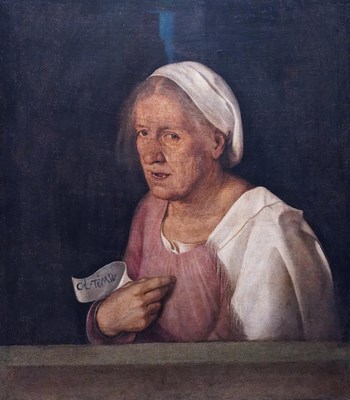
Her direct gaze and the scroll’s blunt words make this small portrait unusually hard to settle.
Look closer on WikiArt(opens in a new tab).jpg!Large.jpg)
Look for the quiet intimacy between Christ and the figure leading him, set against the tension of the coming Passion.
Look closer on WikiArt(opens in a new tab)
Giovanni Bellini · 1507 · Italy
Look at how Bellini stages the saint’s preaching in an imagined Alexandria, balancing the crowd with architectural detail.
Look closer on WikiArt(opens in a new tab)
The storm, soldier, and nursing woman never resolve into a single story; let the strange distance between them hold.
Look closer on WikiArt(opens in a new tab)
Look for the quiet ambiguity of this self-portrait: Giorgione’s identity and the work’s authorship have both invited debate.
Look closer on WikiArt(opens in a new tab)
Look at the shepherds’ attentive approach and the open landscape that draws the eye beyond the sacred encounter.
Look closer on WikiArt(opens in a new tab)
The untroubled figure and the distant, inhabited landscape hold an unusual balance between intimacy and vastness.
Look closer on WikiArt(opens in a new tab).jpg)
Look for the tender meeting of the Madonna’s gaze and the child’s presence in Correggio’s intimate composition.
Look closer on WikiArt(opens in a new tab).jpg!Large.jpg)
Look for the tender exchange between Mary and the Christ child, where Correggio’s soft light lends the sacred scene warmth.
Look closer on WikiArt(opens in a new tab)
Giovanni Bellini · 1515 · Italy
Bellini’s Deposition invites you to focus on the gravity of the figures lowering Christ from the cross.
Look closer on WikiArt(opens in a new tab)
Giovanni Bellini · 1515 · Italy
The awkward family scene gains depth from Bellini’s soft light and the landscape’s unhurried calm.
Look closer on WikiArt(opens in a new tab)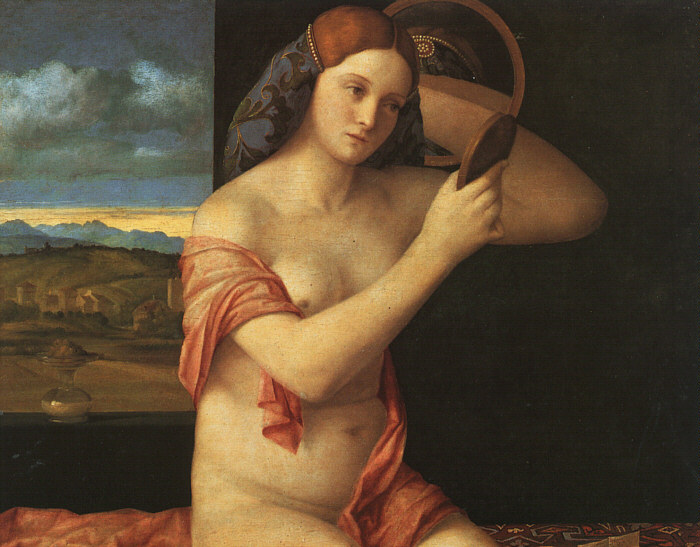
Giovanni Bellini · 1515 · Italy
The title promises an unusual encounter with the nude and her reflection; look for how the mirror changes the act of looking.
Look closer on WikiArt(opens in a new tab)
Look for Correggio’s soft, intimate handling of the mother and child, with the young Saint John drawn into their closeness.
Look closer on WikiArt(opens in a new tab)
Giovanni Bellini · 1516 · Italy
The gods’ unhurried gathering rewards a close look at the small exchanges tucked into its richly observed landscape.
Look closer on WikiArt(opens in a new tab)
Notice the unusual meeting of the Holy Family’s flight and Saint Francis’s presence in Correggio’s tender devotional scene.
Look closer on WikiArt(opens in a new tab).jpg!Large.jpg)
Look for the contrast between the humble stable and the richly gathered visitors; Correggio makes the encounter feel both intimate and grand.
Look closer on WikiArt(opens in a new tab)
Look for the quiet tenderness between the child and the adults, softened by Correggio’s flowing forms.
Look closer on WikiArt(opens in a new tab)
Look at how Correggio stages the saints’ martyrdom through expressive bodies and dramatic contrasts of light.
Look closer on WikiArt(opens in a new tab)
Look at the shifting glances and gestures among Venus, Mercury, and Cupid: the scene turns love into a playful lesson.
Look closer on WikiArt(opens in a new tab)
Follow the Madonna’s gentle movement as she carries the child through a softly animated landscape.
Look closer on WikiArt(opens in a new tab).jpg!Large.jpg)
Notice how Correggio brings myth and sensuality together in Danaë, softening the story with graceful movement and light.
Look closer on WikiArt(opens in a new tab)
Watch Io’s body emerge from the cloudlike embrace: Correggio makes the myth’s transformation feel at once intimate and strange.
Look closer on WikiArt(opens in a new tab)
Look for the charged, unusual meeting of Leda and the swan, shaped by Correggio’s flowing Mannerist forms.
Look closer on WikiArt(opens in a new tab).jpg!Large.jpg)
Watch the pause between Christ and Mary Magdalene, as a gesture of recognition becomes a moment of restraint.
Look closer on WikiArt(opens in a new tab).jpg!Large.jpg)
Giuseppe Arcimboldo · 1566 · Italy
Look closely at how Arcimboldo assembles the face of Air from birds, turning a portrait into a playful puzzle.
Look closer on WikiArt(opens in a new tab).jpg!Large.jpg)
Giuseppe Arcimboldo · 1566 · Italy
Books become a face and a body here; look closely at how the joke also hints at the uneasy authority of collecting knowledge.
Look closer on WikiArt(opens in a new tab).jpg!Large.jpg)
Giuseppe Arcimboldo · 1566 · Italy
Arcimboldo builds “Water” from aquatic life; look for the moment a collection of creatures resolves into a figure.
Look closer on WikiArt(opens in a new tab).jpg)
Giuseppe Arcimboldo · 1570 · Italy
Arcimboldo’s title invites a second look: see whether the cook’s face emerges from the food and kitchen objects.
Look closer on WikiArt(opens in a new tab).jpg!Large.jpg)
Giuseppe Arcimboldo · 1573 · Italy
Find the face assembled from flowers and foliage, where Arcimboldo makes a season seem to bloom into a person.
Look closer on WikiArt(opens in a new tab)
Giuseppe Arcimboldo · 1573 · Italy
Look closely at the figure assembled from summer produce, where Arcimboldo turns fruits and vegetables into a playful portrait.
Look closer on WikiArt(opens in a new tab).jpg!Large.jpg)
Giuseppe Arcimboldo · 1573 · Italy
Look closely: Arcimboldo builds winter’s face from woody textures and broken branches, making a season seem to emerge from a portrait.
Look closer on WikiArt(opens in a new tab).jpg!Large.jpg)
Giuseppe Arcimboldo · 1591 · Italy
Look closely: Arcimboldo builds Emperor Rudolf II’s face from the fruits and flowers of Vertumnus, god of the seasons.
Look closer on WikiArt(opens in a new tab)
Caravaggio · 1593 · Italy
The boy’s bright, intent face contrasts with the heavy basket of fruit he holds close.
Look closer on WikiArt(opens in a new tab)
Caravaggio · 1594 · Italy
Watch the card players’ hands: the quiet exchange makes the game feel like a trap closing in.
Look closer on WikiArt(opens in a new tab)
Caravaggio · 1595 · Italy
Watch how the clustered musicians and theatrical light make this gathering feel both intimate and staged.
Look closer on WikiArt(opens in a new tab).jpg!Large.jpg)
Caravaggio · 1595 · Italy
Watch the saint’s body yield to exhaustion as the dark ground makes the shaft of light feel almost physical.
Look closer on WikiArt(opens in a new tab).jpg!Large.jpg)
Caravaggio · 1596 · Italy
Notice how the fruit’s inviting ripeness sits uneasily beside the wine and the young man’s fixed, almost guarded gaze.
Look closer on WikiArt(opens in a new tab)
Caravaggio · 1596 · Italy
Watch the boy’s startled recoil and the lizard gripping his finger; Caravaggio makes the surprise feel almost contagious.
Look closer on WikiArt(opens in a new tab)
Caravaggio · 1597 · Italy
Meet Medusa at the instant of her scream; the foreshortened head and tangled snakes make the shield feel startlingly alive.
Look closer on WikiArt(opens in a new tab)
Caravaggio · 1598 · Italy
Watch the sharp divide between the shadowed Martha and the absorbed Magdalene, as domestic duty meets contemplation.
Look closer on WikiArt(opens in a new tab)
Caravaggio · 1598 · Italy
Look at how the dark background isolates Catherine’s steady gaze and the objects that identify her story.
Look closer on WikiArt(opens in a new tab)
Caravaggio · 1599 · Italy
Look for the charged intimacy between David and Goliath, heightened by Caravaggio’s stark light and darkness.
Look closer on WikiArt(opens in a new tab)
Caravaggio · 1599 · Italy
Look at Judith’s taut, extended arm and Holofernes’s twisting body, caught in the stark beam of light against darkness.
Look closer on WikiArt(opens in a new tab)
Caravaggio · 1600 · Italy
Watch the light seize Paul and the horse’s immense body; the drama unfolds in a space that feels startlingly close.
Look closer on WikiArt(opens in a new tab)
Caravaggio · 1600 · Italy
Watch how a shaft of light isolates the saint amid the crowd, making the surrounding darkness feel active rather than empty.
Look closer on WikiArt(opens in a new tab)
Caravaggio · 1601 · Italy
Notice how Peter’s inverted cross and strained body make the crowded darkness feel physically close.
Look closer on WikiArt(opens in a new tab)
Caravaggio · 1602 · Italy
Follow the hands probing the wound; the blunt, shared concentration makes belief feel physical rather than certain.
Look closer on WikiArt(opens in a new tab).jpg!Large.jpg)
Caravaggio · 1602 · Italy
The beam of light catches Matthew mid-writing, while the angel’s close, guiding gesture makes inspiration feel almost physical.
Look closer on WikiArt(opens in a new tab)
Caravaggio · 1602 · Italy
Look for the angel’s guiding hand beside Matthew, emerging from the darkness as if the moment were unfolding right before you.
Look closer on WikiArt(opens in a new tab)
Caravaggio · 1602 · Italy
Watch how the light catches the fruit and the startled hands, turning an ordinary table into a moment of revelation.
Look closer on WikiArt(opens in a new tab)
Caravaggio · 1603 · Italy
Follow the diagonal descent of Christ’s body to the cold stone slab, sharply lit against the surrounding darkness.
Look closer on WikiArt(opens in a new tab)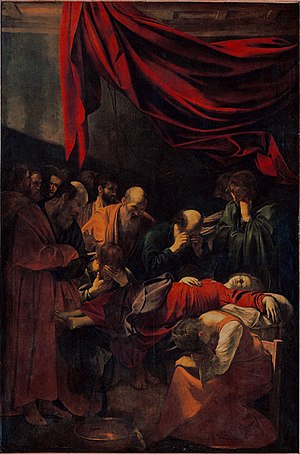
Caravaggio · 1603 · Italy
Mary’s heavy body lies among the mourners, whose grief gathers in the stark beam of light against the dark room.
Look closer on WikiArt(opens in a new tab)
Caravaggio · 1605 · Italy
Look at the face emerging from the darkness: Caravaggio makes a brief, searching encounter out of the biblical scene.
Look closer on WikiArt(opens in a new tab)
Caravaggio · 1605 · Italy
Watch the light isolate Jerome at his writing, turning the desk and page into a pool of concentrated attention.
Look closer on WikiArt(opens in a new tab)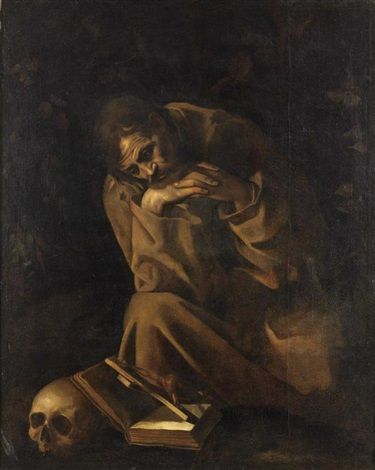
Caravaggio · 1606 · Italy
Look at how the darkness closes around Francis, leaving his face and clasped hands to carry the scene’s quiet intensity.
Look closer on WikiArt(opens in a new tab).jpg!Large.jpg)
Caravaggio · 1607 · Italy
Caravaggio’s stark light draws your eye to Christ’s bowed head and the tension in his restrained pose.
Look closer on WikiArt(opens in a new tab)
Caravaggio · 1607 · Italy
Look at the awkward, forceful angle of Saint Andrew’s cross, made especially immediate by Caravaggio’s dramatic light.
Look closer on WikiArt(opens in a new tab)
Caravaggio · 1607 · Italy
Watch the hard light catch Christ’s exposed body as the guards’ gestures close in around him.
Look closer on WikiArt(opens in a new tab).jpg!Large.jpg)
Caravaggio · 1607 · Italy
The severed head and Salome’s gaze create a tense exchange; notice how Caravaggio’s darkness concentrates attention on them.
Look closer on WikiArt(opens in a new tab)
Caravaggio · 1607 · Italy
Look for how Caravaggio gathers acts of mercy into one crowded street scene, with sharp light catching figures out of the darkness.
Look closer on WikiArt(opens in a new tab)
Caravaggio · 1608 · Italy
Follow the angel’s dramatic descent toward Mary, where Caravaggio’s stark light makes the Annunciation feel startlingly immediate.
Look closer on WikiArt(opens in a new tab)
Caravaggio · 1608 · Italy
The empty space around the executioner’s raised arm makes the violence feel brutally immediate and almost unbearably quiet.
Look closer on WikiArt(opens in a new tab)
Caravaggio · 1608 · Italy
Look at the sleeping child’s unguarded body, set against Caravaggio’s deep shadows and stark, intimate light.
Look closer on WikiArt(opens in a new tab)
Caravaggio · 1610 · Italy
Look for Peter’s recoiling gesture and the accuser’s pointed hand, caught in Caravaggio’s stark play of light and darkness.
Look closer on WikiArt(opens in a new tab)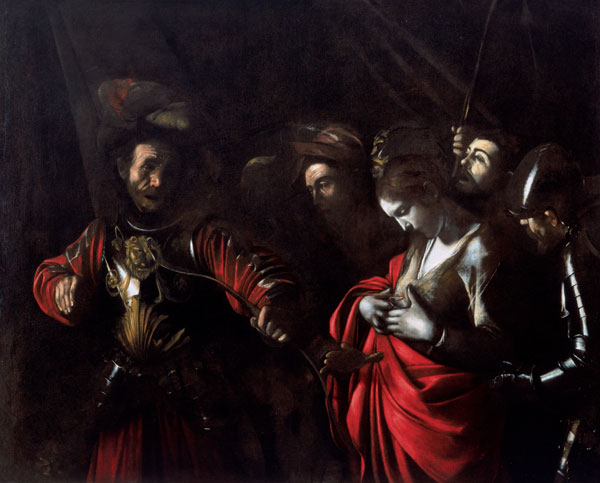
Caravaggio · 1610 · Italy
Look at the wounded saint’s gesture and the shadowed figures around her; Caravaggio makes this final moment feel startlingly immediate.
Look closer on WikiArt(opens in a new tab).jpg!Large.jpg)
Gian Lorenzo Bernini · 1622 · Italy
Watch the instant of capture in Proserpina’s twisting body and Pluto’s grasp, carved into marble with startling softness.
Look closer on WikiArt(opens in a new tab).jpg!Large.jpg)
Gian Lorenzo Bernini · 1623 · Italy
Look at the young Bernini’s direct gaze and the alertness that makes this self-portrait feel immediate.
Look closer on WikiArt(opens in a new tab).jpg!Large.jpg)
Gian Lorenzo Bernini · 1630 · Italy
Look for the moustached sitter’s expression and the sculptural presence Bernini brings to this portrait.
Look closer on WikiArt(opens in a new tab).jpg!Large.jpg)
Gian Lorenzo Bernini · 1630 · Italy
The attributed self-portrait promises an unusually direct encounter: look closely at the moustache, gaze, and sculptor’s assured presence.
Look closer on WikiArt(opens in a new tab).jpg!Large.jpg)
Gian Lorenzo Bernini · 1630 · Italy
Notice how Bernini gives a sculpted young face the alertness of someone caught mid-thought.
Look closer on WikiArt(opens in a new tab).jpg)
Gian Lorenzo Bernini · 1640 · Italy
Look at the suspended hand and the angel’s poised arrow: ecstasy here balances between bodily drama and stillness.
Look closer on WikiArt(opens in a new tab).jpg!Large.jpg)
Gian Lorenzo Bernini · 1652 · Italy
Look beyond the swooning Teresa to the watching Cornaro family, whose presence makes private ecstasy a public spectacle.
Look closer on WikiArt(opens in a new tab)
Pietro Longhi · 1734 · Italy
Look for the contrast between the immense, collapsing giants and the composed Rococo handling Longhi brings to the scene.
Look closer on WikiArt(opens in a new tab)
Pietro Longhi · 1751 · Italy
Clara’s enormous presence turns the usual animal portrait upside down; look at how Longhi stages curiosity around the rhinoceros.
Look closer on WikiArt(opens in a new tab)
Pietro Longhi · 1756 · Italy
Longhi’s scene invites you to read the faces around the fortune teller, where curiosity and skepticism may sit side by side.
Look closer on WikiArt(opens in a new tab)
Pietro Longhi · 1757 · Italy
Look at the crowd’s reactions to the performer: Longhi turns a public trick into a study of curiosity and credulity.
Look closer on WikiArt(opens in a new tab)
Pietro Longhi · 1760 · Italy
Look for the quiet poise of Guardi’s face, rendered by one Venetian painter in the likeness of another.
Look closer on WikiArt(opens in a new tab)
Amedeo Modigliani · 1915 · Italy
Look at the elongated face and steady gaze, where Modigliani’s restrained portrait style gives Alice a distinct presence.
Look closer on WikiArt(opens in a new tab)
Amedeo Modigliani · 1915 · Italy
Notice the long, spare face and steady gaze that make this portrait feel both intimate and self-possessed.
Look closer on WikiArt(opens in a new tab)
Amedeo Modigliani · 1916 · Italy
Notice the long, simplified contours: Modigliani makes the nude feel both sculptural and quietly expressive.
Look closer on WikiArt(opens in a new tab)
Amedeo Modigliani · 1916 · Italy
Look at how Modigliani’s simplified figure makes the seated nude feel both composed and emotionally exposed.
Look closer on WikiArt(opens in a new tab)
Amedeo Modigliani · 1917 · Italy
Look at how Modigliani turns Jacques and Berthe into a paired portrait, with the space between them doing its own work.
Look closer on WikiArt(opens in a new tab)
Amedeo Modigliani · 1917 · Italy
Notice the contrast between the sitter’s long, simplified outline and the vulnerability of her unguarded pose.
Look closer on WikiArt(opens in a new tab)
Amedeo Modigliani · 1917 · Italy
Look for Modigliani’s elongated contours and the calm, direct presence of the seated figure.
Look closer on WikiArt(opens in a new tab)
Amedeo Modigliani · 1917 · Italy
Notice how the open arms and long, unbroken contours make the sleeping figure feel both vulnerable and self-possessed.
Look closer on WikiArt(opens in a new tab)
Amedeo Modigliani · 1919 · Italy
Look at how Modigliani’s elongated lines turn Jeanne Hébuterne’s stillness into something both tender and uneasy.
Look closer on WikiArt(opens in a new tab)
Longhi’s quiet genre scenes invite you to notice the shepherd boy’s unassuming pose and everyday presence.
Look closer on WikiArt(opens in a new tab)
Notice the shepherd girl’s basket and unhurried presence; Longhi brings Rococo attention to a simple, everyday subject.
Look closer on WikiArt(opens in a new tab)
This detail of Cimabue’s “Kristi gripande” invites a close look at how Byzantine tradition gives the sacred scene its solemn presence.
Look closer on WikiArt(opens in a new tab)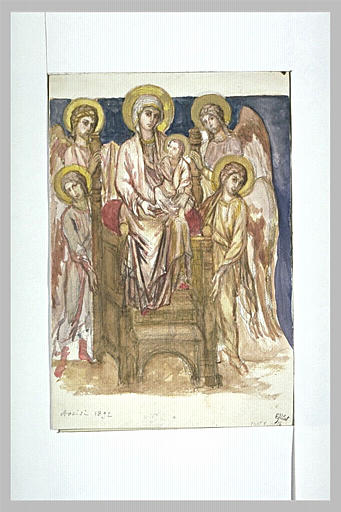
Look for the solemn, iconic stillness of the Madonna and Child, softened by the angels gathered around their throne.
Look closer on WikiArt(opens in a new tab)
Notice how the tiny saints and angels gather around the enthroned Madonna, balancing Cimabue’s gold-ground solemnity with intimate gestures.
Look closer on WikiArt(opens in a new tab)
The title’s pairing of Ross and rider invites you to look at how horse and human share the image’s movement.
Look closer on WikiArt(opens in a new tab)
Look at the saint’s gaunt, direct face and the dark folds of his habit, which give this detail a startling human presence.
Look closer on WikiArt(opens in a new tab)
The spare arrangement gives the surrounding landscape room to matter; notice how the distant setting alters the scene’s emotional scale.
Look closer on WikiArt(opens in a new tab)
Watch the teacher and pupil’s gestures for the small negotiation between instruction and pleasure.
Look closer on WikiArt(opens in a new tab)
Watch the dancers’ steps and the spectators’ faces: Longhi turns a Venetian dance into a quiet study of social life.
Look closer on WikiArt(opens in a new tab)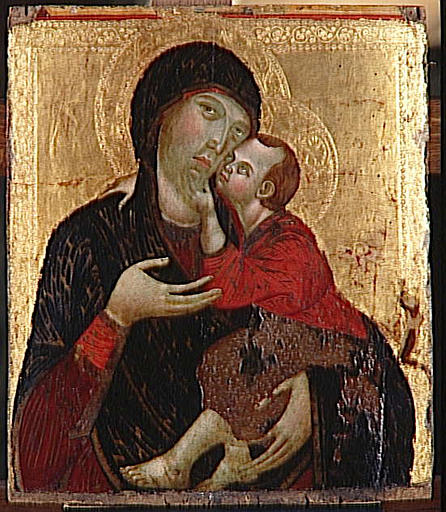
Look at how Cimabue brings the Virgin and Child close together within the formal, gold-ground language of Byzantine art.
Look closer on WikiArt(opens in a new tab)
Cimabue’s Madonna and Child invite you to notice the solemn, iconic stillness of their shared gaze.
Look closer on WikiArt(opens in a new tab)
Look for the small human details that make a visit to the library feel like a glimpse into everyday life.
Look closer on WikiArt(opens in a new tab)